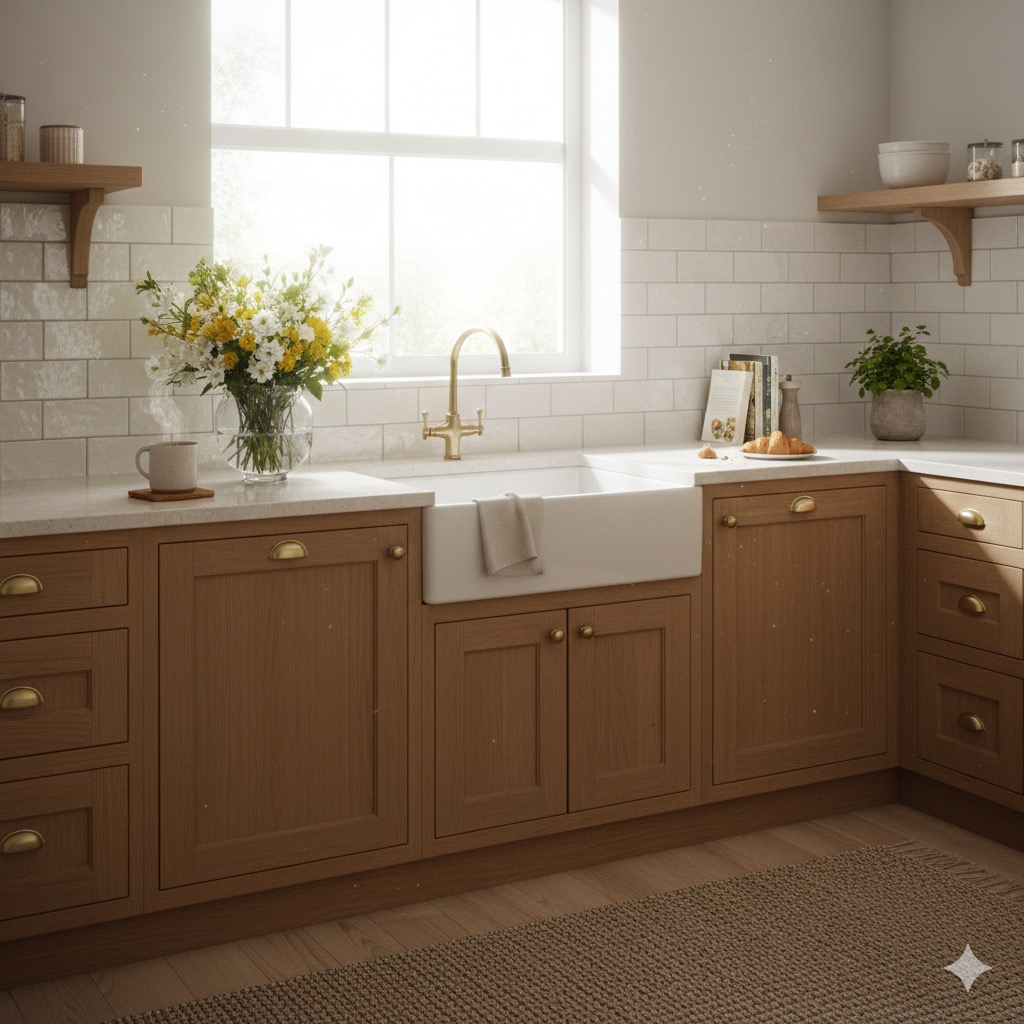
Simple, affordable, and endlessly versatile — subway tiles are one of the best ways to bring personality, texture, and visual interest into any kitchen. Whether you are starting from scratch, planning a renovation, or just dreaming about what your kitchen could look like, this guide gives you 10 real, fresh, and inspiring subway tile kitchen ideas to spark your imagination.
From unexpected color choices to bold grout decisions and beyond-the-basics layout patterns, these ideas go way past the standard white brick wall. Get ready to see subway tiles in a whole new way.
Why Subway Tiles Are Still One of the Best Choices for Kitchens
Subway tiles have been around for well over a century, but they keep showing up in kitchen design because they genuinely work. They are easy to clean, they come in a huge range of colors, finishes, and sizes, and they suit almost every kitchen style from modern and minimal to warm and rustic. They are not just a trend — they are a practical, good-looking solution that fits a wide range of budgets and design visions.
What makes subway tiles so special is the flexibility they offer. A single tile shape can look completely different depending on how you lay it, what color grout you choose, what finish the tile has, and what surrounds it. A white matte subway tile laid in a traditional horizontal stack looks completely different from the same tile laid in a herringbone pattern with dark charcoal grout. That flexibility is exactly why this guide covers ten distinct ideas — not just ten versions of the same look.
Whether your kitchen is tiny and cramped or large and open, whether your cabinets are glossy white or deep moody green, there is a subway tile idea in this list that will feel made for you.
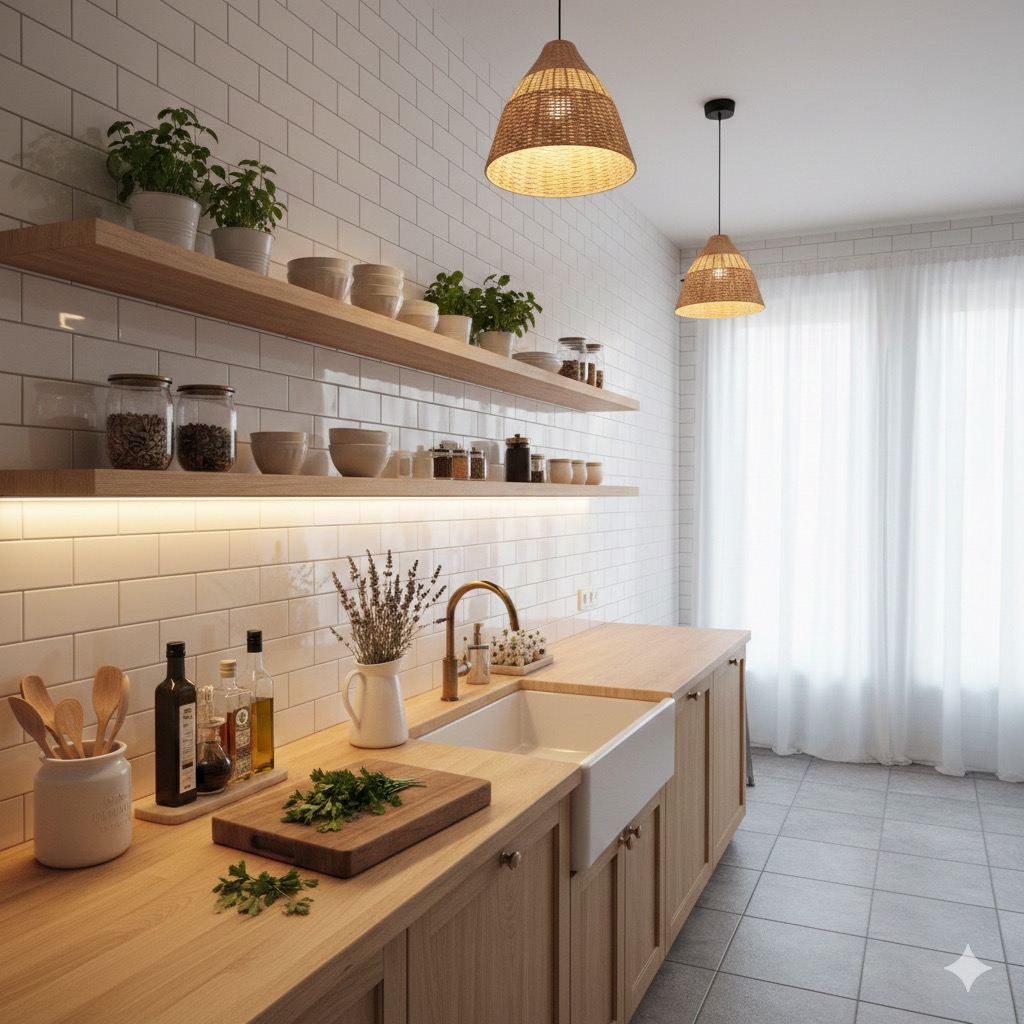
Idea 1: Classic White Subway Tiles With Dark Grout
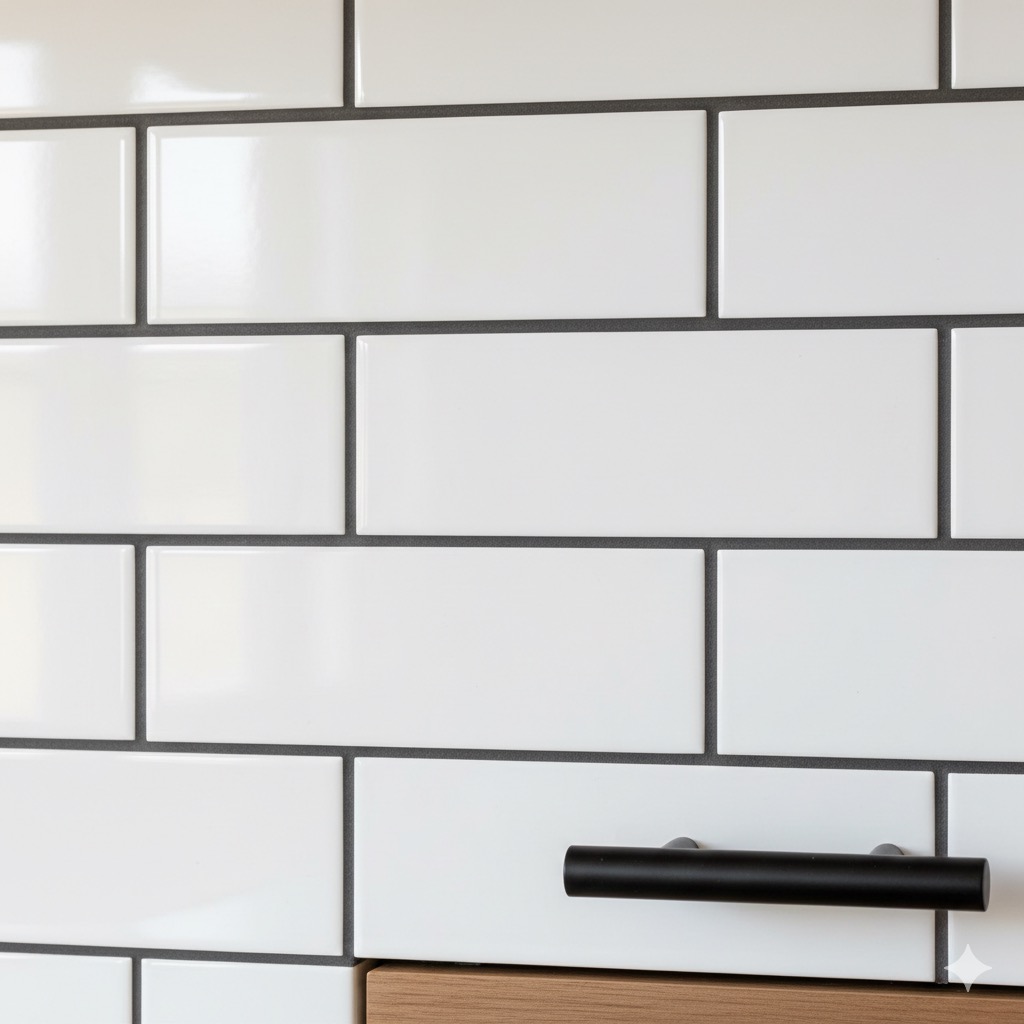
If you have ever wondered why so many beautifully photographed kitchens use white subway tiles, it is because nothing else does the job quite as well. White tiles are bright, reflective, and clean-looking, making even a small kitchen feel larger and more open. But here is the thing — the version of white subway tile that is actually catching eyes right now is not the one with matching white grout. It is white tiles paired with dark, almost charcoal or black grout that creates a bold grid pattern across the wall.
This combination is so effective because it takes a look that might otherwise feel plain and gives it an instant edge. The dark grout lines draw the eye, creating a graphic, almost industrial quality that works particularly well in kitchens with stainless steel appliances, matte black hardware, or deep-colored cabinetry. The contrast makes the kitchen feel intentionally designed rather than simply functional.
There is also a practical bonus here. Dark grout does not show grime, discoloration, or wear the way white grout does. If you love cooking and your kitchen gets heavy daily use, dark grout means you spend less time scrubbing grout lines and more time actually enjoying your kitchen. The white tile surface itself wipes clean easily, and the overall effect stays looking sharp for years.
This idea works best in kitchens that lean modern, urban, or industrial in their overall feel. Think exposed shelving in matte black metal, pendant lights with Edison bulbs, concrete countertops, or flat-front cabinet doors in a deep tone like navy or forest green. The contrast between crisp white tile and dark grout becomes a design feature in its own right rather than just a backdrop.
If you are worried about this look feeling too harsh or cold, balance it with warmer materials elsewhere in the space. A butcher block section of countertop, some wooden bar stools, a woven kitchen rug, or plants on the windowsill can all soften the contrast and keep the kitchen feeling livable and warm.
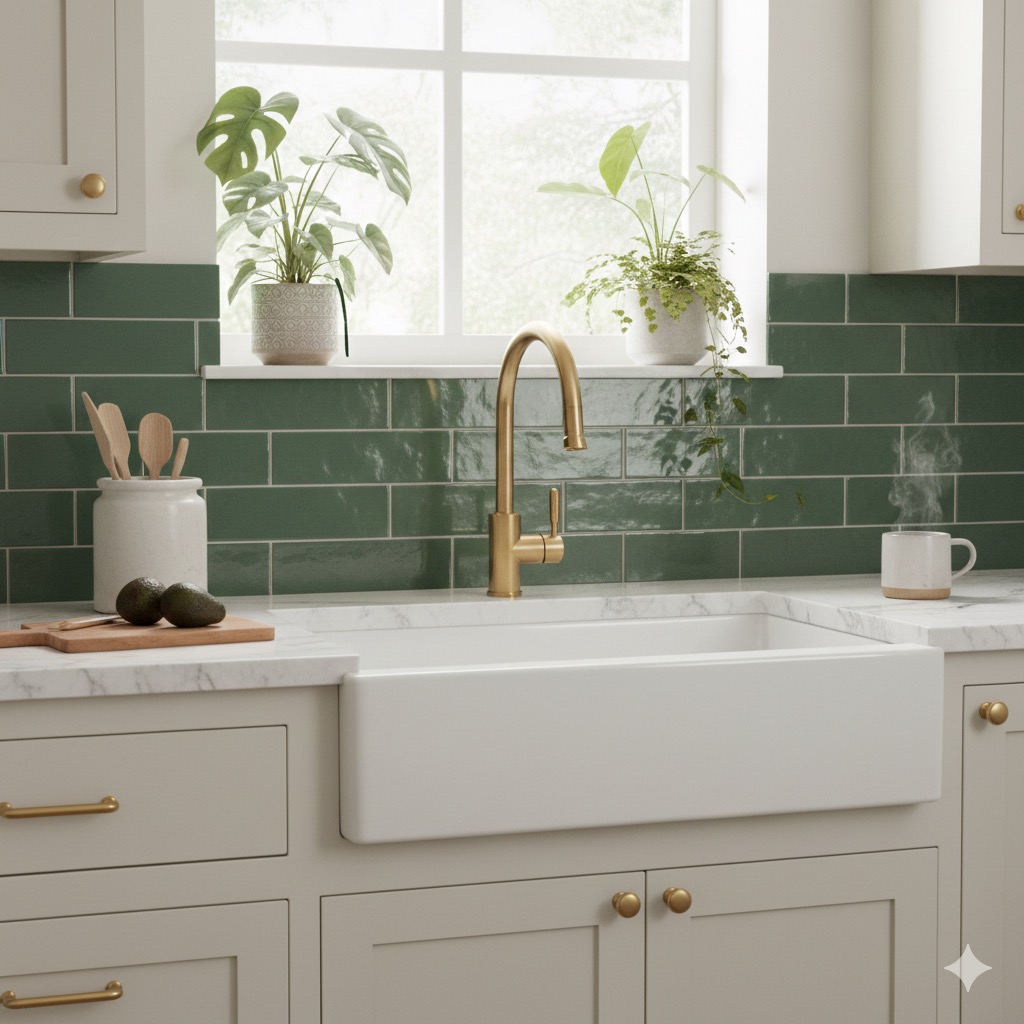
Idea 2: Colored Subway Tiles for a Kitchen Full of Personality
White subway tiles are a perfectly good choice, but they are far from your only choice. Colored subway tiles open up an entirely different world of possibilities for kitchen design, and they are one of the most underused options available to homeowners. Soft sage green, deep navy blue, warm terracotta, dusty blush pink, rich emerald, smoky slate grey — these are all real, available choices that can completely transform the personality of a kitchen.
The key to using colored subway tiles well is thinking about them as part of the whole kitchen, not just as a wall covering. A backsplash of deep forest green subway tiles behind a white farmhouse sink looks stunning against cream-colored shaker cabinets and brass hardware. Pale powder blue tiles pair beautifully with natural wood tones and rattan accents. Warm terracotta tiles can anchor a Mediterranean-inspired kitchen that feels sun-drenched even in the middle of winter.
One approach that works especially well is choosing a tile color that picks up on something else already in the kitchen — a paint color, a countertop vein, a set of ceramic dishes you love. When the tile color feels connected to the rest of the space, the result looks intentional and cohesive rather than random.
You can also play with the grout color when working with colored tiles. A matching grout creates a smooth, almost seamless look where the tile color is the star. A contrasting grout — something lighter or darker than the tile itself — adds definition and texture. Both approaches work, but they create quite different results, so it is worth thinking about which you prefer before committing.
Colored subway tiles are also a wonderful way to add character to a rental kitchen without making permanent changes — if you have an exposed area of wall rather than just a backsplash, peel-and-stick versions in bold colors can create a similar visual effect. For a full renovation, though, real glazed ceramic or porcelain tiles in your chosen color will look better, last longer, and feel more substantial.
Idea 3: Floor-to-Ceiling Subway Tile for a Bold, Dramatic Kitchen
Most people think of subway tiles as a backsplash material — that strip of tile between the countertop and the upper cabinets, maybe twelve to eighteen inches tall. But one of the most striking subway tile kitchen ideas is to go much bigger and cover an entire wall or even every wall from floor to ceiling. This approach is bold, cohesive, and creates a kitchen that feels genuinely unique.
Floor-to-ceiling subway tile has a long history in professional kitchen design and restaurant interiors, where the look speaks to cleanliness, durability, and a certain confident simplicity. Bringing that same energy into a home kitchen creates something that feels very deliberate and visually powerful. When the tile is the wall — not just a decorative accent — the kitchen takes on a different character entirely.
This idea works particularly well in kitchens that are open to other living spaces, where the tiled kitchen wall becomes a backdrop for the whole room. Imagine a large open-plan kitchen-dining area where the entire kitchen wall behind the cooker and counters is covered in white or off-white subway tiles from floor to ceiling. It creates a clean, gallery-like backdrop that makes your appliances, utensils, and decor items pop visually.
The grout choice becomes even more important at this scale. With more tile comes more grout line, and that grid will be very visible. Light grey grout keeps the look soft and traditional. Dark grey or black grout gives the wall a graphic, architectural quality. And if you want the tile itself to dominate with minimal visual interruption, a near-matching grout color creates a beautifully smooth, almost monolithic surface.
One practical note: floor-to-ceiling tile in a kitchen requires good ventilation and proper sealing near any cooking surfaces. But once properly installed, it is one of the most durable and easy-to-clean surfaces you can have in a kitchen. Steam, splashes, grease — it all wipes off with minimal effort, making this not just a beautiful choice but a genuinely smart one for a hardworking kitchen.
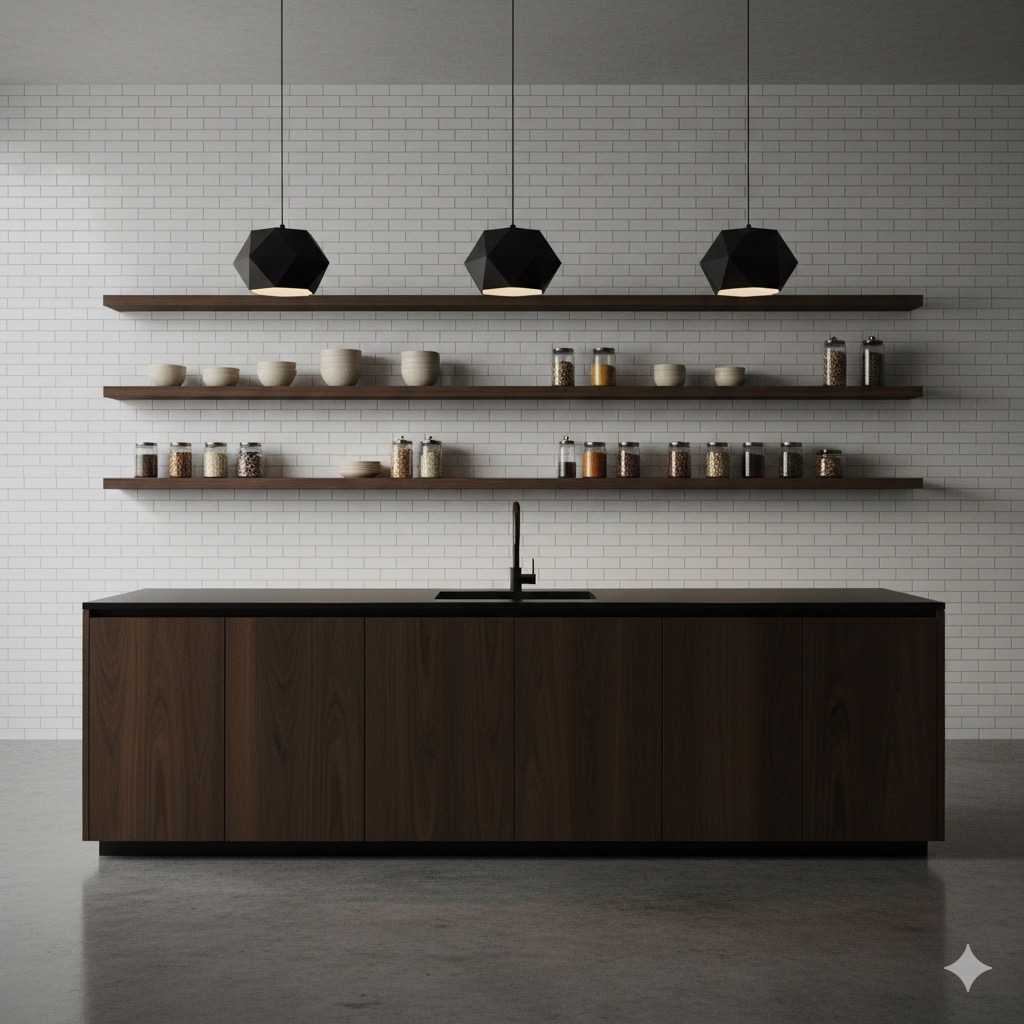
Idea 4: Herringbone Pattern Subway Tiles for a Sophisticated Look
The herringbone pattern is one of those layout choices that takes a simple tile and instantly elevates it into something that feels crafted and considered. Instead of laying subway tiles in the traditional horizontal stack, herringbone arranges them at 45-degree angles, creating a zigzag or V-shaped pattern that adds movement and visual depth to any surface.
What is fascinating about herringbone is that it changes the way the tile itself looks. The same white 3×6 subway tile that might look simple in a standard horizontal layout suddenly looks intricate and textured when laid in herringbone. The eye moves across the surface differently, picking up on the angled lines rather than the horizontal grid. The result feels busier, more dynamic, and more decorative without requiring a fancier or more expensive tile.
Herringbone subway tile works beautifully as a kitchen backsplash, especially behind a focal point like a range or cooktop. Centering the herringbone pattern on the main cooking wall draws the eye directly to that area and creates a natural visual anchor for the whole kitchen. It pairs especially well with a statement range hood — whether that is a sleek stainless hood or a plaster one painted to match the cabinets, the herringbone tile provides a rich backdrop that makes the hood look even more architectural.
In terms of color and finish, herringbone is particularly striking in slightly textured or handmade-style tiles, where each piece has a subtle variation in tone or surface. This kind of organic variation catches the light differently across the angled tiles, creating a shimmering, almost alive quality that is very different from the flat uniformity of perfectly smooth tiles. Matte finishes in neutral tones like cream, warm white, or greige look especially beautiful in this pattern because they feel artisanal and handcrafted rather than factory-made.
Keep in mind that herringbone requires more precise installation than a straight stack — it takes longer and may cost a bit more in labor — but the finished result is worth every penny. It is a pattern that photographs beautifully and looks impressive in person, adding genuine character to what might otherwise be a very standard kitchen.
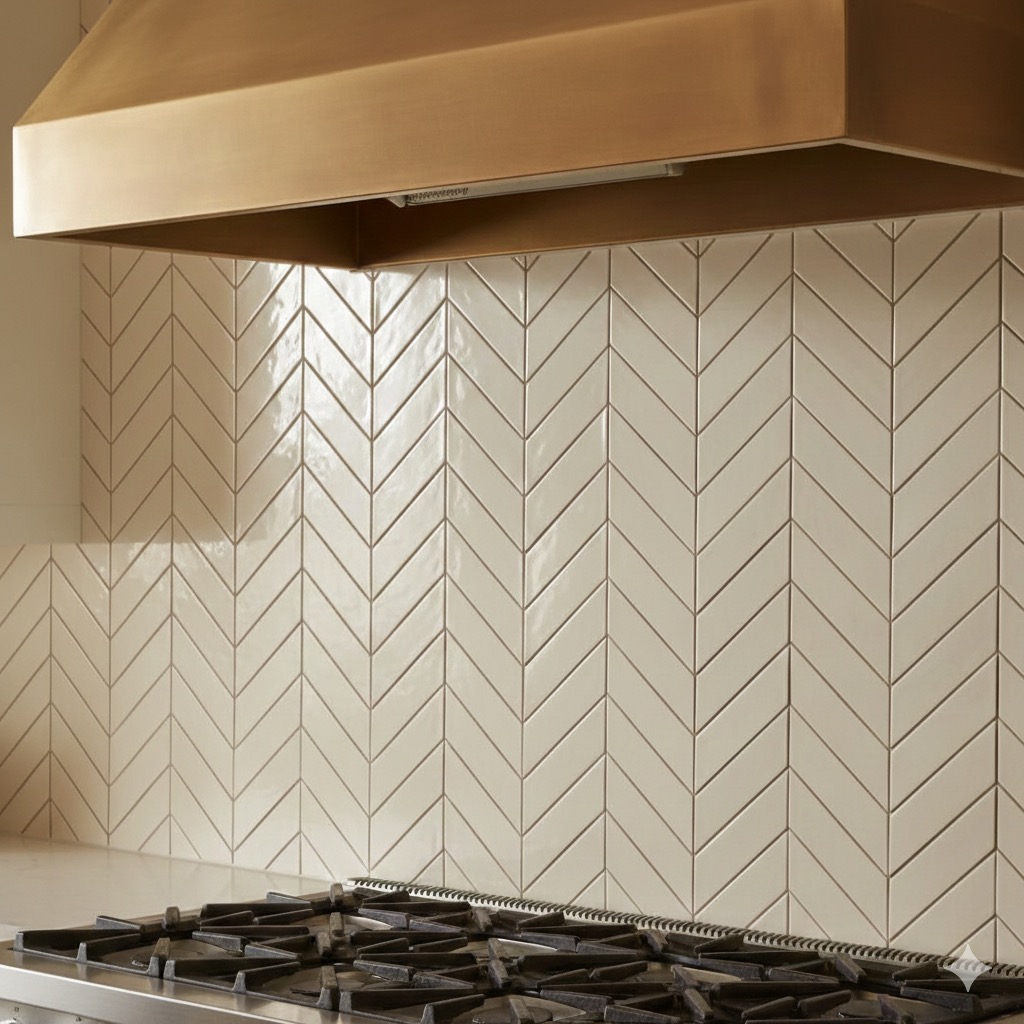
Idea 5: Beveled Subway Tiles for Extra Texture and Dimension
Not all subway tiles are flat. Beveled subway tiles have angled edges that catch the light differently from standard flat tiles, creating a subtle three-dimensional effect on the wall. This small design detail makes a surprisingly big difference to the way a tiled surface looks and feels — particularly under kitchen lighting, where the beveled edges create delicate shadows and highlights that add depth and movement to the wall.
Beveled tiles have a slightly more decorative, traditional feel than flat subway tiles, which makes them a great choice for kitchens that lean toward classic, cottage, Victorian, or eclectic styles. They work beautifully in farmhouse kitchens with apron sinks and open shelving, in traditional kitchens with raised-panel cabinetry and ornate hardware, and in eclectic kitchens that mix vintage and modern elements in unexpected ways.
White beveled subway tiles are the most common version, but you can also find beveled tiles in off-white, ivory, soft grey, and pale blue — all of which look gorgeous with the right surrounding materials. Because the beveling adds built-in visual interest, these tiles often look best with a simpler, more restrained grout choice — usually something close to the tile color — so that the texture of the tile itself remains the focal point rather than competing with a bold grout color.
The light-catching quality of beveled tiles makes them particularly effective in kitchens that lack natural light. Under under-cabinet lighting or even just regular overhead kitchen lights, the angled edges of beveled tiles create a subtle shimmer that makes the wall feel alive and dimensional rather than flat. If your kitchen feels dark or cramped, a beveled tile backsplash in a pale, reflective color can genuinely help brighten the whole space.
Beveled subway tiles come in the same standard sizes as regular subway tiles — the most common being 3×6 inches — and are available in ceramic and porcelain at very similar price points. If you love the look of subway tile but want something that feels a little more special and textural without going into expensive handmade tile territory, beveled subway tile is one of the smartest upgrades you can make.
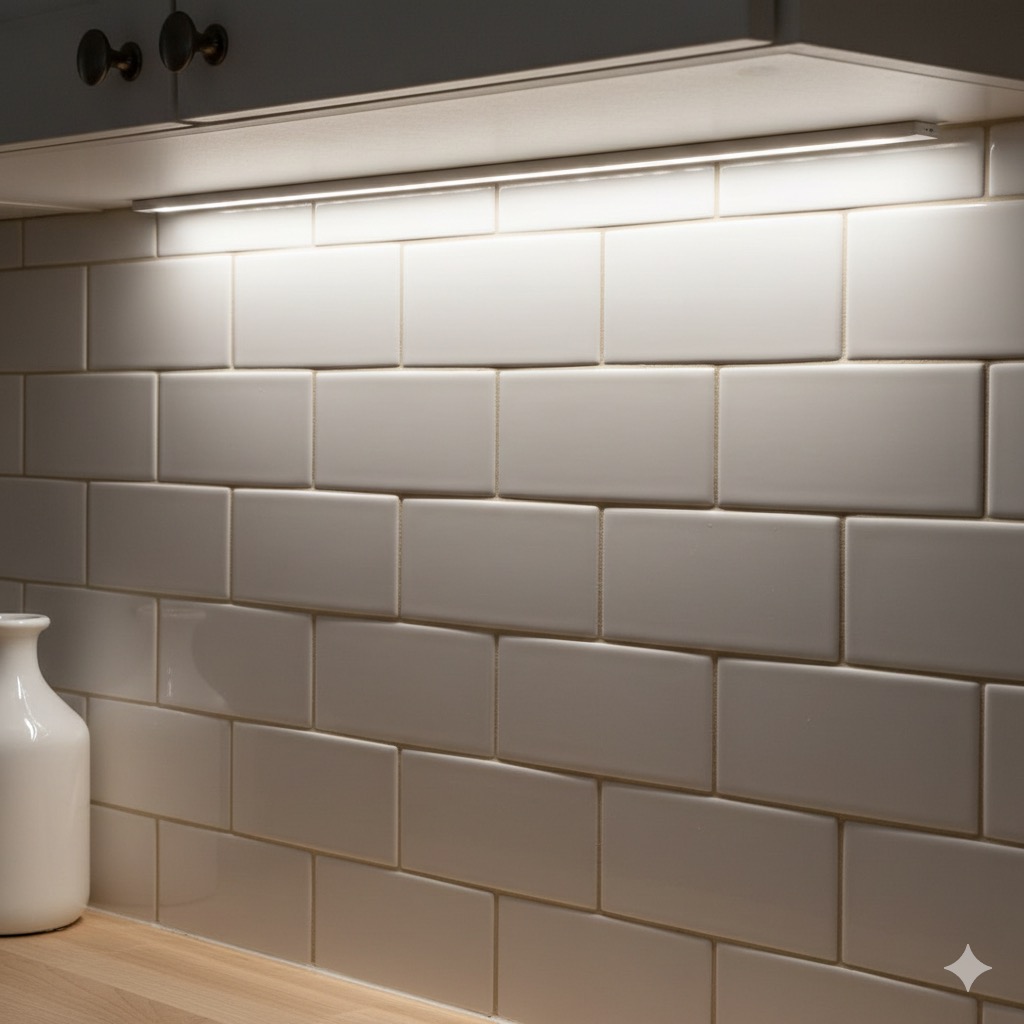
Idea 6: Mixed Tile Sizes — Subway Tiles Combined With Other Formats
One of the most creative and modern ways to use subway tiles in a kitchen is to mix them with other tile sizes or shapes. Instead of covering an entire backsplash in one uniform tile, you can create zones, patterns, or accents by combining your subway tile with a larger format tile, a square tile, a mosaic insert, or even a decorative encaustic tile panel.
A particularly popular version of this idea is using standard 3×6 subway tiles across the main backsplash area but adding a panel of larger tiles — say, 4×8 or 4×12 — directly behind the range as a focal point. This taller format behind the cooker draws the eye and creates a visual pause in the pattern, adding architectural interest to the most important spot in the kitchen. The combination reads as intentional and layered rather than mismatched.
Another approach is to use subway tiles as a border or frame for a different type of tile in the center of a specific wall section. For instance, a panel of hand-painted Moroccan or Spanish encaustic tiles surrounded by a neat border of simple white subway tiles creates a stunning feature that feels both global and collected. This is a great option for kitchens that want a lot of personality in one concentrated spot without overwhelming the entire space with pattern.
Mixing sizes also gives you practical flexibility. If you have an awkward section of wall — an odd recess, a strange corner, an area around a window — using a different tile format in that area can help solve the layout challenge while also creating a moment of visual interest. What might have been a design problem becomes a design feature.
The key to making mixed tile sizes work well is maintaining a consistent palette. If all your tiles share a similar color family or finish — for instance, all matte and in shades of white, grey, and taupe — the mixed sizes will read as a cohesive, layered design rather than a chaotic mess. Too many different colors alongside too many different sizes can quickly feel busy and overwhelming, so simplicity in color allows you more freedom to play with format.
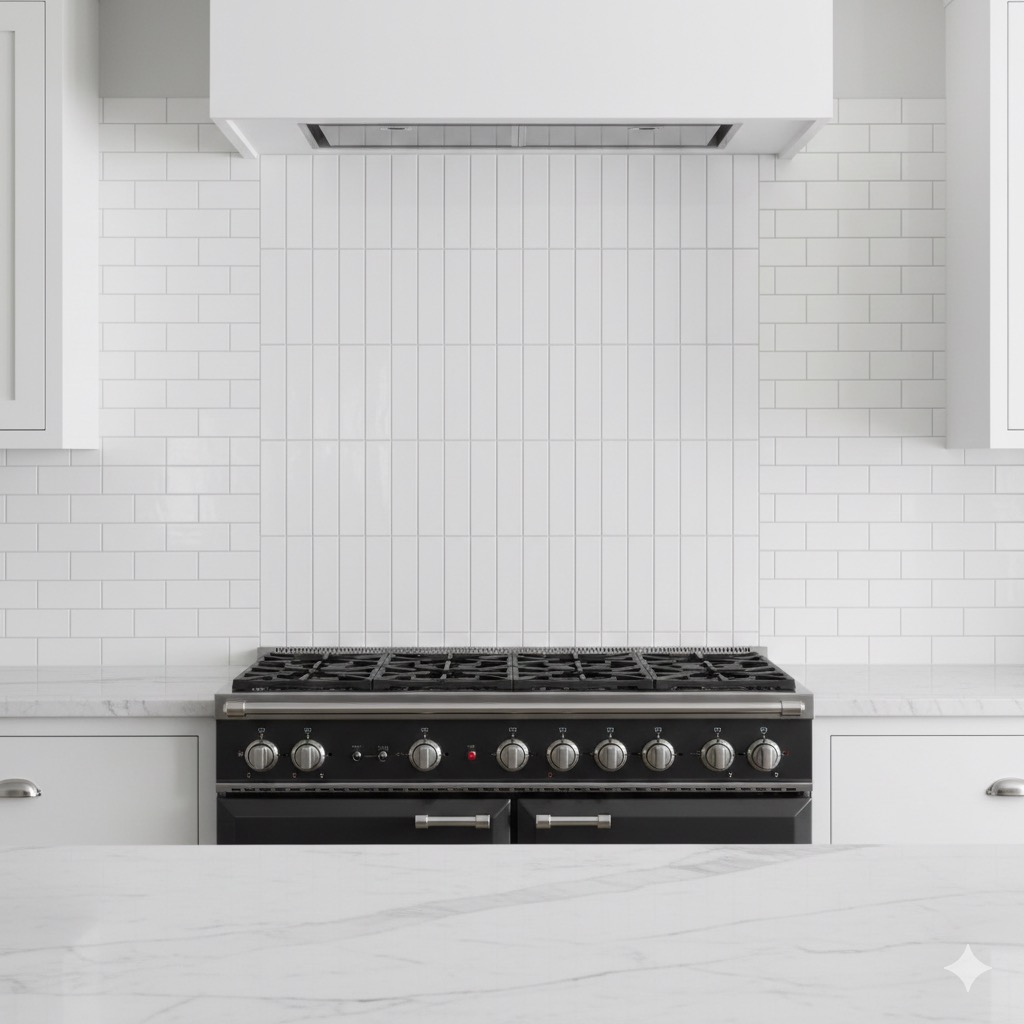
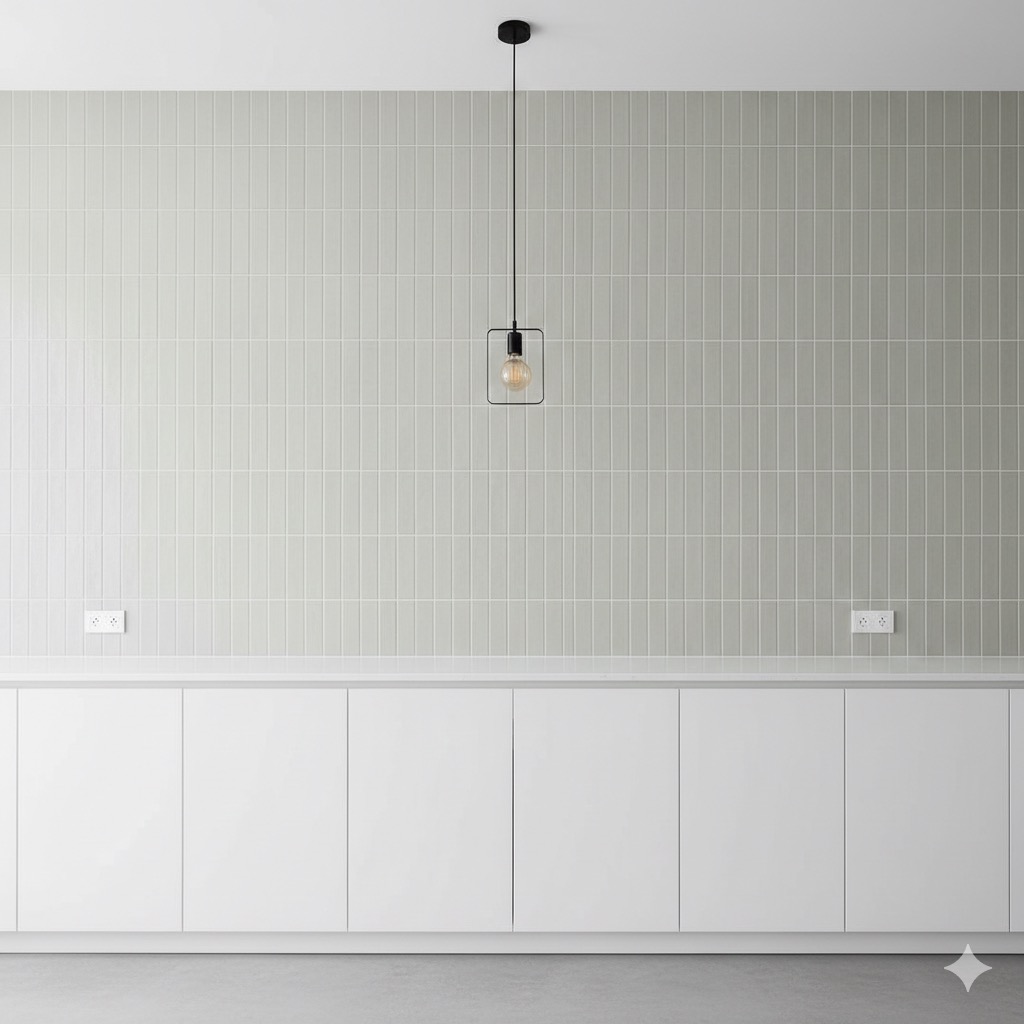
Idea 7: Vertical Stack Subway Tiles for a Taller, More Modern Feel
Most people automatically picture subway tiles laid horizontally — it is the traditional orientation and it creates that classic, familiar brick-wall look. But rotating the tile to a vertical orientation and stacking them in a straight column pattern creates a completely different effect that feels distinctly modern, elongated, and architectural.
Vertical stacking makes walls feel taller. If your kitchen has low ceilings or if you want to draw the eye upward, vertical subway tiles are one of the simplest ways to achieve that illusion. The eye naturally follows the direction of the tiles, and when they run from countertop to ceiling in a vertical line, the ceiling appears higher and the kitchen feels more spacious. This is a particularly useful trick in compact kitchens or galley layouts where you want to maximize the sense of space and height.
The vertical stack pattern also has a clean, contemporary quality that pairs extremely well with modern and minimalist kitchen designs. Flat-front cabinetry, integrated appliances, minimal hardware, and a simple stone countertop are all natural companions for this tile orientation. The geometry is crisp and precise, and the overall effect is sleek without being cold.
Color and finish play a big role in how this pattern reads. Vertical tiles in a high-gloss finish look particularly striking because the light reflects off them in consistent, elongated stripes that emphasize the upward movement. In a matte finish, the same vertical pattern feels softer and more muted — still modern, but warmer and more approachable. Pale greige, warm white, and very soft sage green are all tile colors that look beautiful in a vertical stack arrangement.
Grout width also matters more with vertical tiles. A very thin grout line makes the stack feel almost continuous and wall-like, while a wider grout line makes the individual tiles more distinct and the pattern more graphic. For a sleek modern look, go narrow. For a more textured, handcrafted feel, a slightly wider joint works well and reads particularly nicely with matte or handmade-style tiles.
Idea 8: Glossy Subway Tiles in a Dark or Moody Kitchen
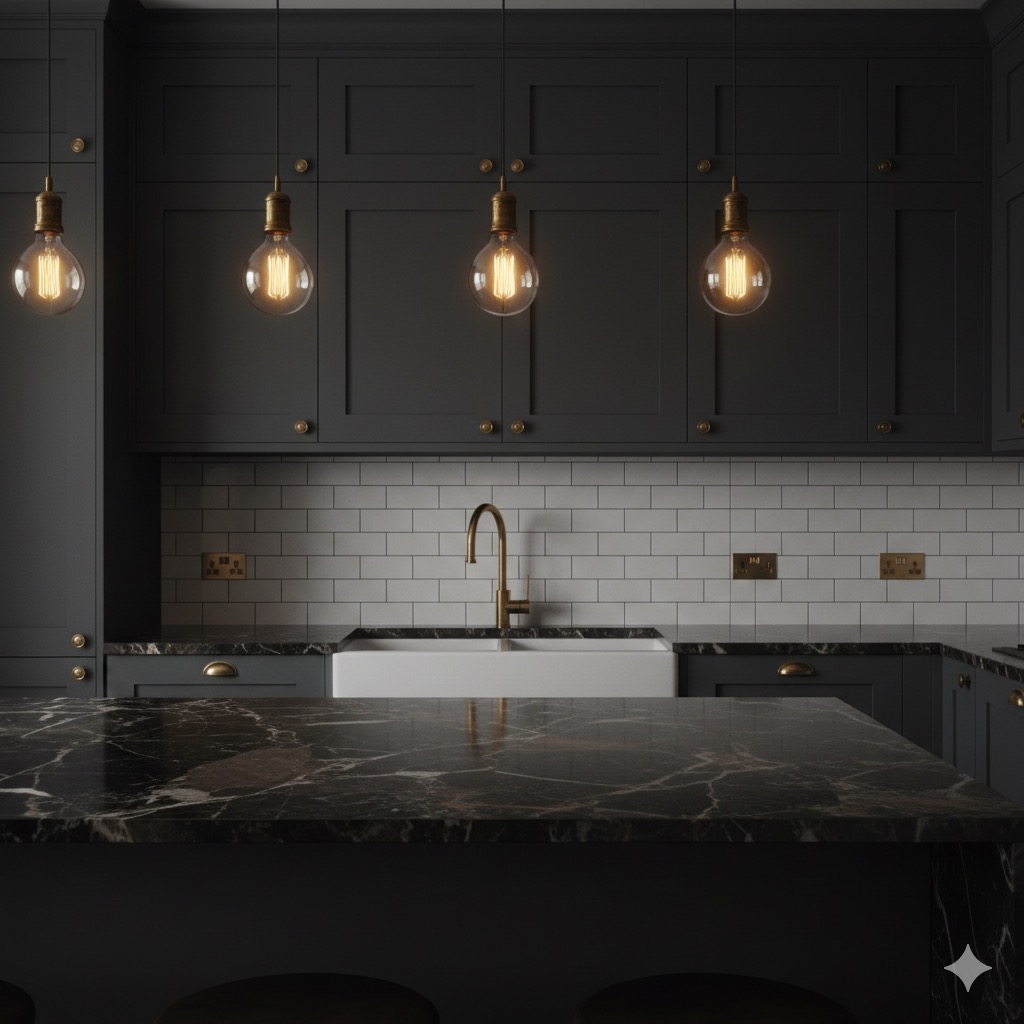
Dark kitchens have become one of the most compelling trends in interior design, and subway tiles play a very specific and interesting role in making a dark kitchen work beautifully rather than feeling cave-like or oppressive. The key is contrast and reflectivity — and that is exactly where glossy white or cream subway tiles come in.
In a kitchen with dark cabinetry — think deep charcoal grey, rich hunter green, dramatic navy, or inky matte black — a glossy subway tile backsplash acts as a light source. The shiny surface catches and bounces available light around the kitchen, helping to prevent the space from feeling dim or heavy. The bright tile against dark cabinets creates a striking contrast that is both bold and sophisticated, the kind of kitchen that looks like it belongs in an architecture magazine.
Glossy tiles in this context work best in fairly simple layouts — a standard horizontal stack or a vertical stack — because the shine itself provides enough visual interest without needing a complicated pattern. Let the reflective surface do the work. A classic white 3×6 tile in a high-gloss finish laid in a horizontal brick pattern with very dark grout against charcoal cabinets creates a kitchen that feels both dramatic and considered.
The hardware choices in this kind of kitchen matter a great deal. Brass and gold hardware against dark cabinets and glossy white tile creates a warm, luxurious feel. Matte black hardware keeps the palette cooler and more graphic. Brushed nickel or chrome feels cleaner and more contemporary. Any of these can work, but each creates a noticeably different atmosphere, so it is worth thinking carefully about which suits your kitchen’s overall personality.
If you are concerned about a dark kitchen feeling too serious or dramatic, accessories and styling can soften it considerably. Open shelving with warm wooden elements, a collection of beautiful ceramics, fresh plants, and soft textiles like a linen kitchen towel or a wool rug can all bring warmth and life into a dark, tile-backed kitchen without undermining the drama that makes it special.
Idea 9: Handmade or Artisan Subway Tiles for an Organic, Feel
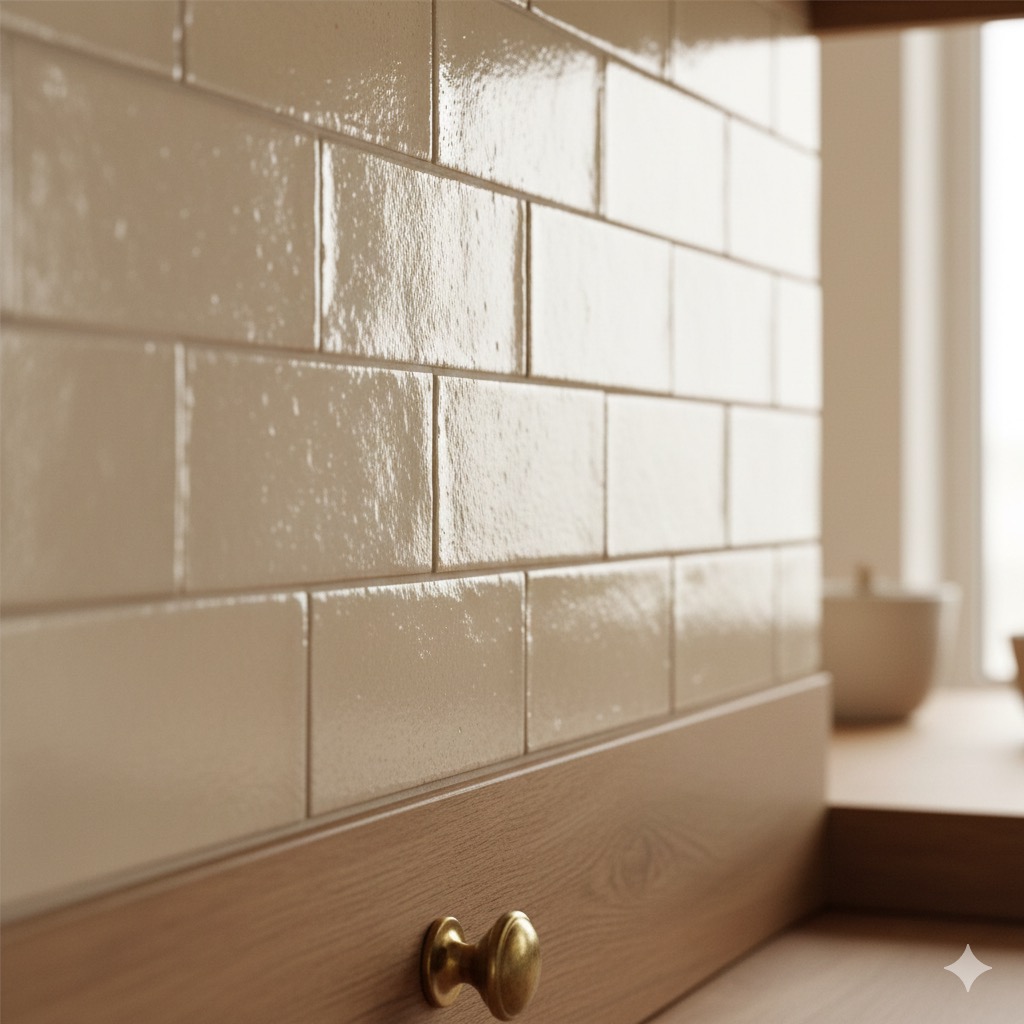
Not all subway tiles are created equal. At one end of the spectrum, you have perfectly uniform machine-made tiles with smooth surfaces and precise edges. At the other end, you have handmade or artisan subway tiles — tiles that are pressed or formed by hand, resulting in subtle variations in shape, thickness, surface texture, and color from tile to tile. This organic imperfection is exactly what makes them special.
Handmade subway tiles have a warmth and depth that machine-made tiles simply cannot replicate. Because each tile is slightly different, the overall wall surface has a beautiful, almost quilted quality — a gentle irregularity that catches light in different ways across its surface and creates a richness of texture that is impossible to achieve with uniform tiles. Up close, you can see the tiny ripples, the slight variation in the glaze pooling in the corners, the barely perceptible unevenness of the edges. Step back, and the whole surface seems to glow.
This style of tile is perfect for kitchens that want to feel warm, crafted, and full of character. Cottage kitchens, arts and crafts kitchens, Spanish or Mediterranean-inspired kitchens, and bohemian or eclectic kitchens all benefit enormously from the organic quality of handmade tiles. But handmade tiles can also feel right at home in more modern spaces — particularly those that are trying to avoid feeling sterile or overly corporate. A beautiful handmade tile backsplash in a simple white or cream color adds soul to a modern kitchen without making it feel fussy or old-fashioned.
Colors in handmade tiles are often deeper and more nuanced than in machine-made versions because the hand-applied glazes pool and shift during firing. A tile listed as ‘white’ might actually contain hints of cream, pale blue, and soft green depending on how the glaze settled. A ‘sage green’ tile might vary from deep olive to soft mint across a single batch. This variation is considered a feature, not a flaw, and it is what gives these tiles their extraordinary depth.
Handmade tiles are generally more expensive than standard machine-made subway tiles, but they are not prohibitively so — particularly if you are tiling just a backsplash rather than entire walls. The investment is well worth it for the character they add. If you can only splurge on one thing in your kitchen renovation, a set of handmade subway tiles in a beautiful glaze color might be the single upgrade that gives you the most joy every single day.
Idea 10: Colorful Grout as the Star of the Show
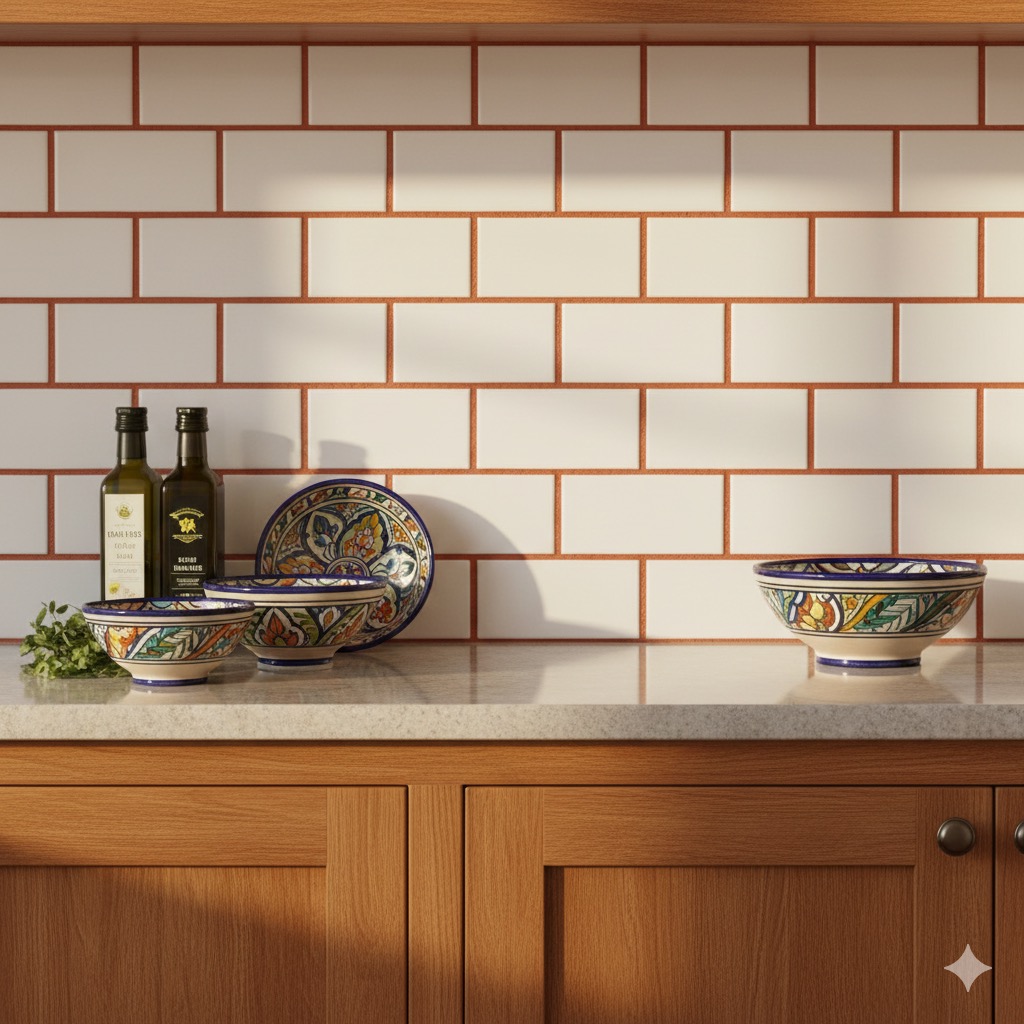
Here is an idea that costs next to nothing extra but can completely change the personality of a subway tile kitchen: make the grout the design feature. Most people choose grout as an afterthought — picking a safe beige or white that mostly disappears. But choosing a bold, unexpected grout color while keeping the tile itself simple is one of the most creative and cost-effective ways to personalize a subway tile kitchen.
The idea works because subway tile has such a distinctive pattern of grout lines — the horizontal and vertical grid is a strong visual element in its own right. When you make those lines visible and deliberate by choosing a grout that contrasts with the tile, you transform the grout from background noise into a graphic design element. The result is a tiled surface that looks custom and intentional, even if the tiles themselves are the most basic and affordable option available.
Some of the most striking combinations include soft terracotta grout with white tiles, which gives a warm, Mediterranean feel. Warm navy or cobalt blue grout with cream tiles creates a graphic, preppy quality. Deep forest green grout with pale grey tiles feels botanical and organic. Black grout with any light-colored tile gives a crisp, bold graphic effect. Even warm tan or caramel grout with white tiles — rather than the typical stark grey — creates a noticeably warmer, more inviting result than the standard approach.
One thing to keep in mind is that grout color can also fade or shift slightly over time, particularly in kitchens where the backsplash is exposed to cooking steam and splashes regularly. Applying a grout sealer after installation helps protect the color and keep it looking fresh. And if you love the idea of a bold grout color but are nervous about commitment, remember that grout can be re-grouted — it is not a forever decision in the way that the tile itself is.
This idea is also a wonderful way to give a dated kitchen a low-cost refresh. If you already have plain white subway tiles in your kitchen but they feel boring, consider having the grout professionally cleaned and then re-grouted in a different color. It is a transformation that requires no new tiles and costs only a fraction of what a full renovation would — but the visual difference can be significant enough that the kitchen feels genuinely new.
conclusion
With ten genuinely different ideas in front of you, the next step is figuring out which one speaks to your space, your style, and the kitchen you actually want to cook and live in. Here are a few simple questions to help narrow it down.
First, think about what you love most about kitchens you have seen in magazines, online, or in other people’s homes. Is it the clean simplicity of a white tile wall? The drama of dark cabinets with reflective tile? The warmth of artisan tiles with organic variation? The personal touch of a bold grout color? Your gut reaction to other kitchens is a reliable guide to what you genuinely want in your own.
Second, consider the practical side of your kitchen. What gets used most? Where are the messiest spots? If you cook a lot and want easy cleaning, a glossy tile in a standard horizontal layout with dark grout is a genuinely sensible choice. If you have great natural light and want to maximize it, a pale, reflective tile in a floor-to-ceiling treatment will help. If your kitchen lacks personality and you want to add it without a full renovation, bold grout or a single statement wall in a colored tile might be all you need.
Third, think about what else is already in your kitchen or what you plan to keep when you renovate. Subway tile design works best when it connects to the other materials in the room. Wood tones, metal finishes, countertop materials, cabinet colors — all of these should inform your tile choice. A tile that looks beautiful in a showroom might clash with your specific combination of elements, while one that seems plain by itself might look extraordinary once it is surrounded by the other materials in your kitchen.
Finally, get samples before you commit. Tile samples are usually inexpensive or free, and seeing an actual piece of tile in your actual kitchen — in your actual light — is worth infinitely more than looking at photos online. Tape a sample to your wall, look at it in the morning, at noon, and in the evening when the overhead lights are on. You might be surprised how different a tile looks at different times of day in your specific space.
Subway tile is one of those design elements that genuinely improves a kitchen when it is chosen thoughtfully. Any of the ten ideas in this guide, executed well in the right space with the right supporting materials, has the potential to become the backdrop for a kitchen you will truly love for many years to come.