
How to Style a Home That Feels Timeless, Warm, and Effortlessly Stylish
Transitional design is one of the most loved interior styles today, and for good reason. It sits right in the middle of two worlds. On one side, you have modern design with its clean lines, simple shapes, and calm feel. On the other side, you have classic design with warmth, detail, and comfort. Transitional design blends these two ideas into one space that feels balanced, relaxed, and timeless.
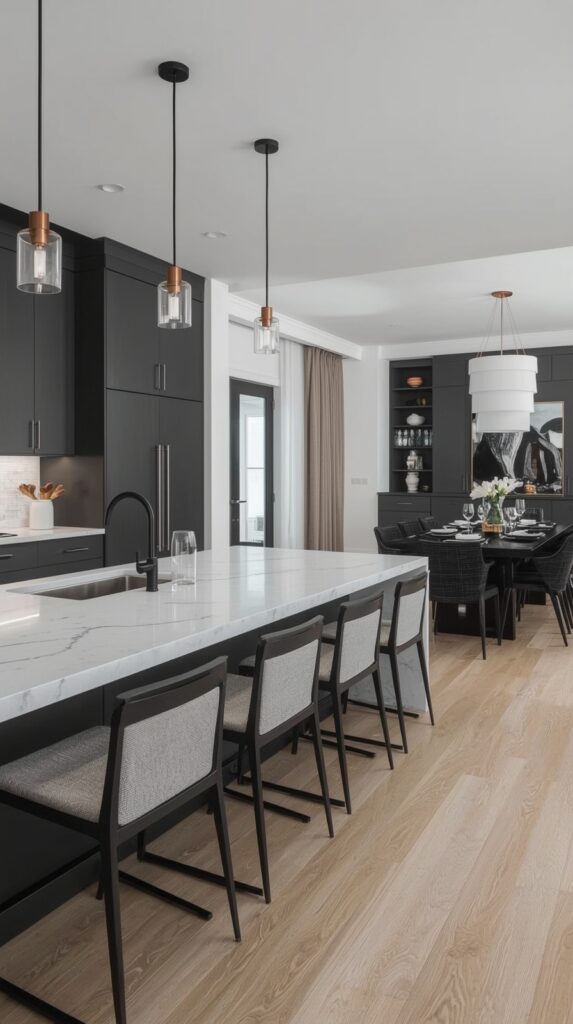
This style is not loud. It does not chase trends. Instead, it focuses on comfort, quality, and pieces that feel good to live with every day.
A transitional interior feels welcoming the moment you walk in. It looks polished, but never stiff. Stylish, but never cold. It is the kind of space that works just as well for quiet mornings as it does for hosting guests.
In this article, we will walk through how to build a transitional interior step by step. We will talk about layout, colors, furniture, textures, lighting, and finishing touches. Everything will be explained in simple words, with real-life thinking behind each choice. The goal is not just to copy a look, but to understand it, so you can recreate it in your own way.
Understanding Transitional Design
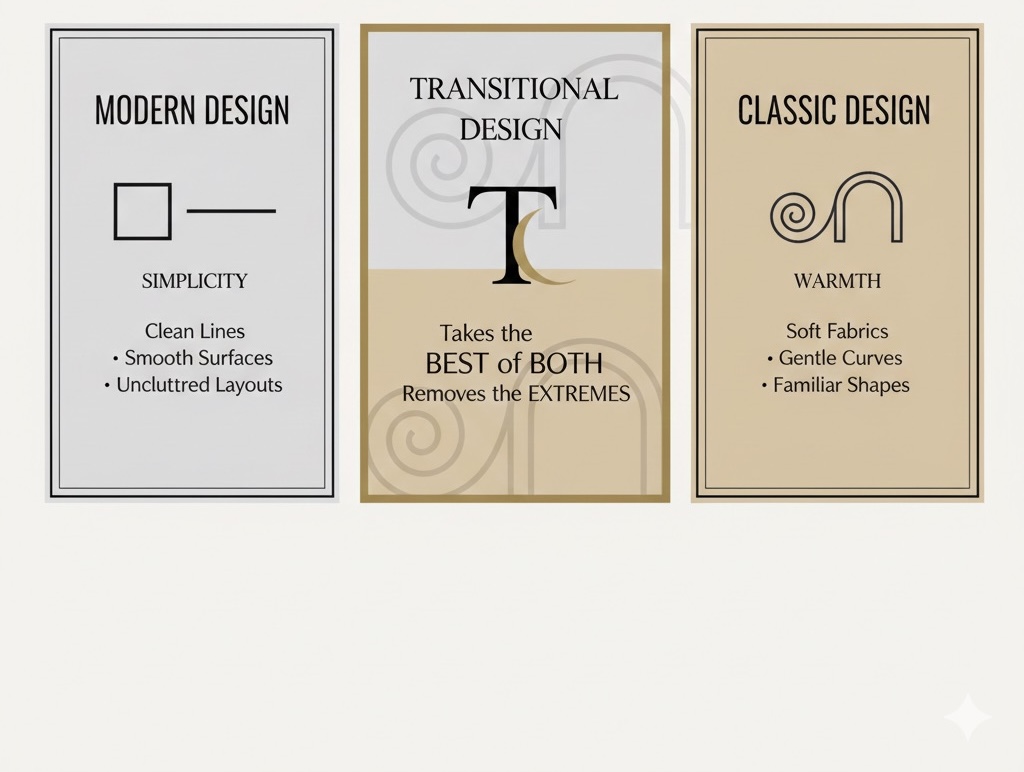
Before choosing furniture or colors, it helps to understand what transitional design is really about. At its core, this style is about balance. Nothing should feel too sharp or too soft. Nothing should feel too old or too new. Every piece should work with the others instead of competing for attention.
Modern design brings simplicity. You see this in clean lines, smooth surfaces, and uncluttered layouts. Classic design brings warmth. You see this in soft fabrics, gentle curves, and familiar shapes. Transitional design takes the best of both and removes the extremes.
This means fewer decorations, but better ones. It means neutral colors, but layered in ways that feel rich, not boring. It means furniture that looks elegant, but still feels comfortable enough to sink into.
If modern design sometimes feels too cold, and classic design sometimes feels too heavy, transitional design is the calm middle ground that feels just right.
Starting with the Layout and Flow
A good transitional interior always starts with the layout. The space should feel open and easy to move through. Furniture placement should make sense for real life, not just for photos.
Instead of filling every wall or corner, transitional spaces leave room to breathe. Seating is often arranged in a way that encourages conversation. Sofas and chairs face each other, not just the TV. Pathways are clear and natural.
The layout should feel intentional but relaxed. Nothing should feel pushed up against walls just to make space feel bigger. At the same time, nothing should feel crowded. Transitional design likes symmetry, but not perfect mirror images. A space may feel balanced without being exact.
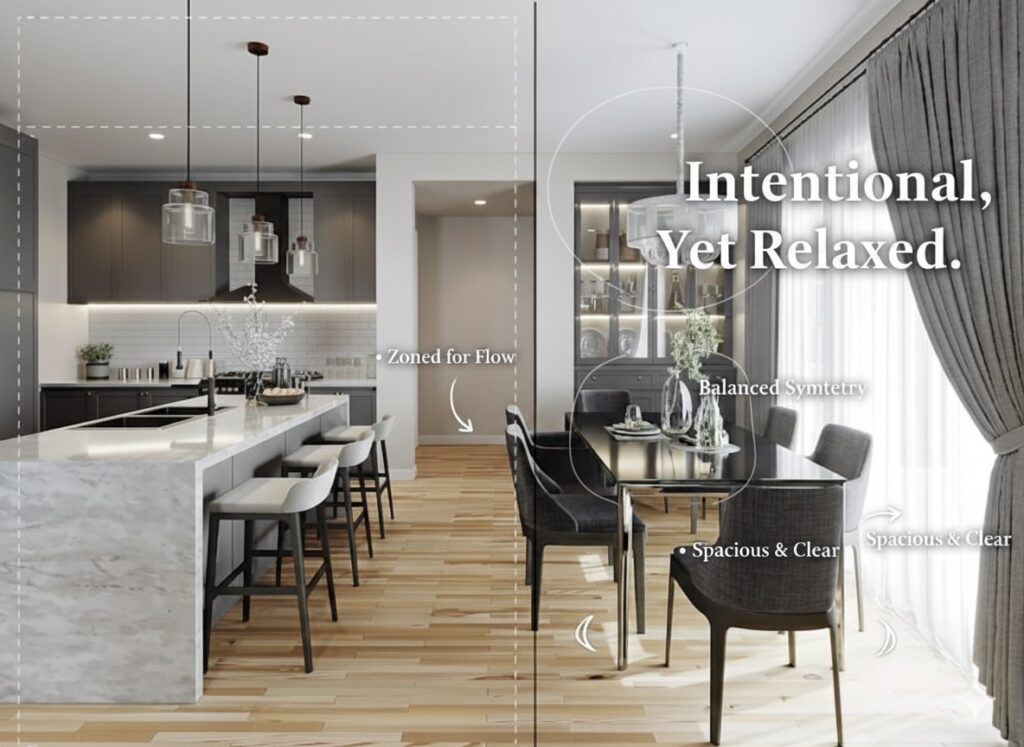
When planning your layout, think about how you actually live. Where do you sit most? Where do you walk through often? Transitional design works best when the room feels good to use, not just good to look at.
Building the Color Palette
Color plays a huge role in transitional interiors. The base of the space is usually neutral. Think soft whites, warm creams, light beiges, gentle grays, and muted taupes. These colors create a calm background that lets the furniture and textures shine.
The key here is warmth. Transitional design avoids harsh whites or cold grays. Instead, it leans into shades that feel soft and inviting. Walls often stay light, which helps the space feel open and timeless.
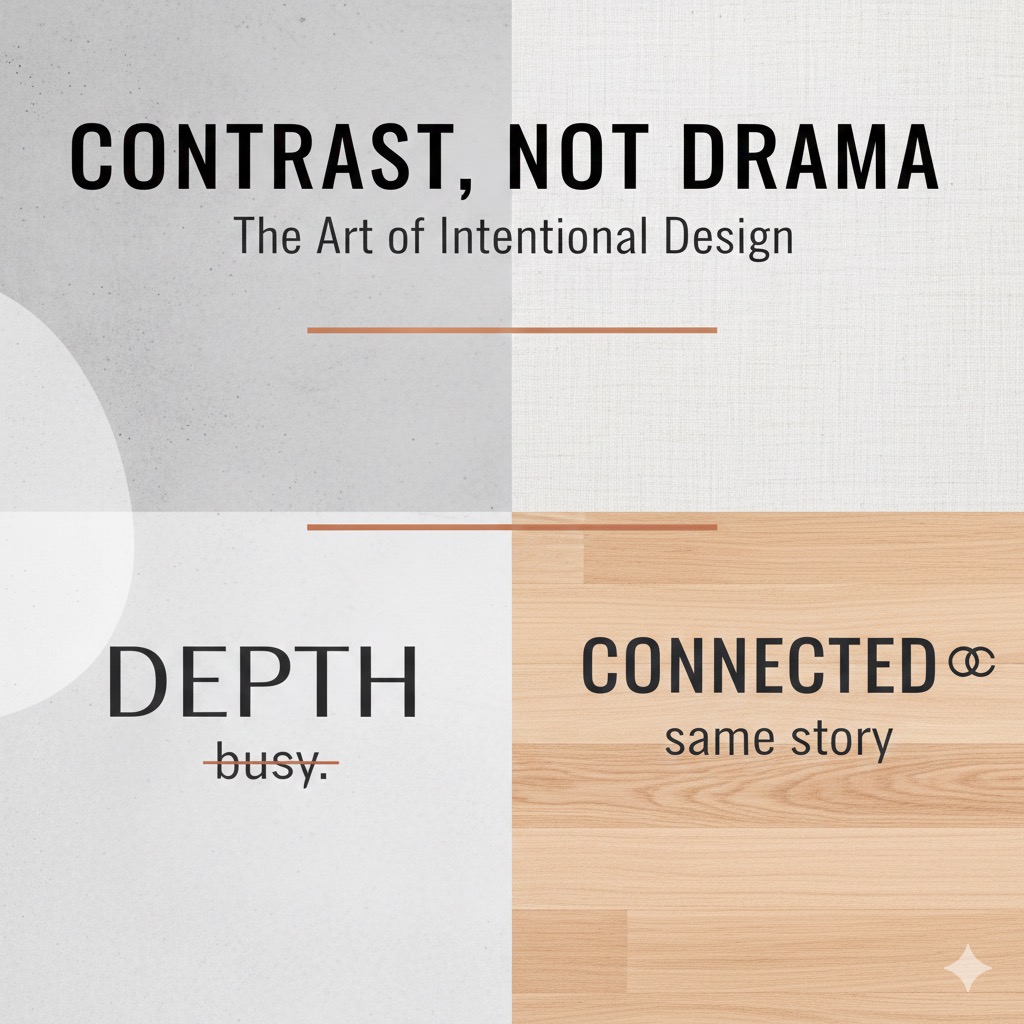
Once the base colors are in place, deeper tones are added slowly. This might include warm browns, soft blacks, charcoal, muted navy, or earthy greens. These darker shades usually show up in furniture, accent chairs, pillows, or artwork.
The goal is contrast without drama. You want enough difference to create depth, but not so much that the space feels busy. Everything should feel connected, like it belongs in the same story.
Choosing the Right Furniture Mix
Furniture is where transitional design really comes to life. This is where modern and classic elements meet.
Sofas and chairs often have clean shapes, but with soft edges. You won’t see overly sharp lines or heavy carving. Instead, you might see a simple sofa shape upholstered in a warm, textured fabric. The legs might be slim and modern, but the cushions feel plush and comfortable.
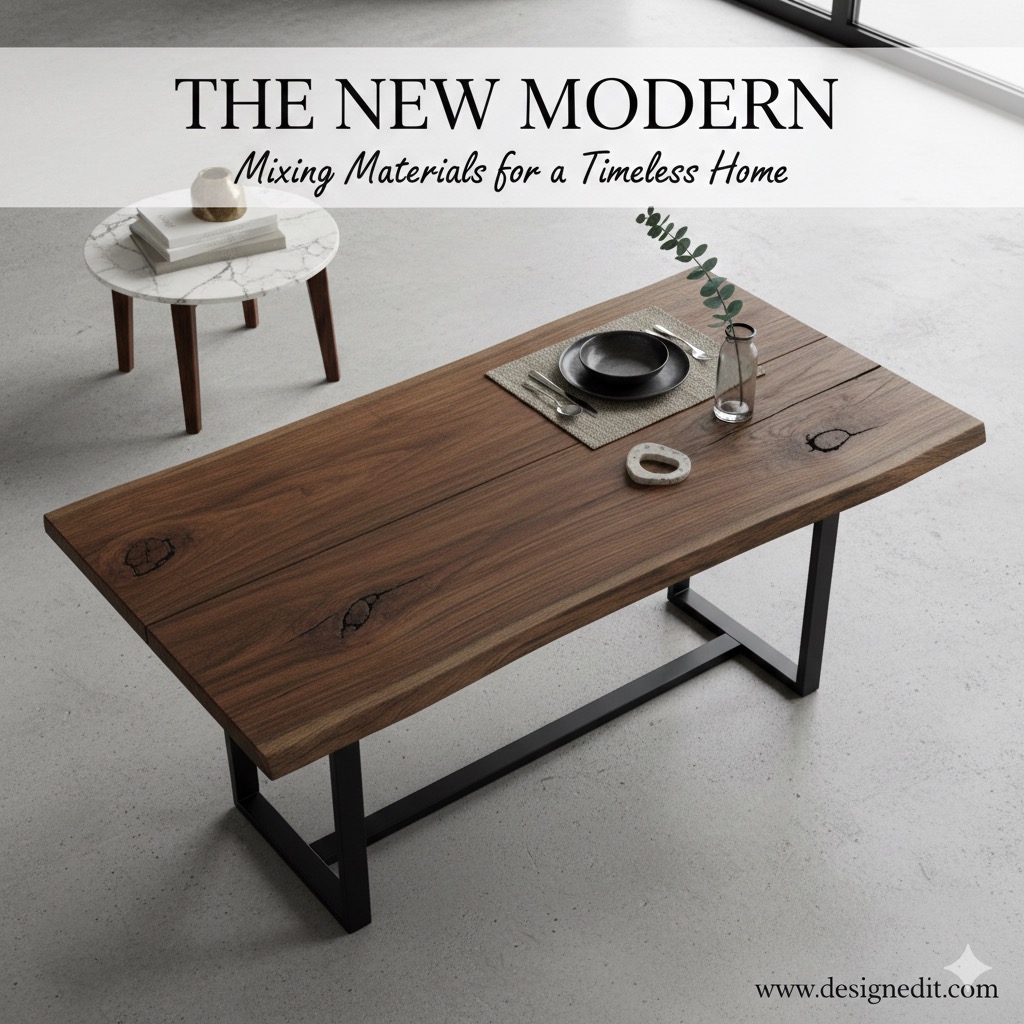
Wood furniture is common, but the finishes are usually smooth and simple. Think oak, walnut, or ash with clean silhouettes. You won’t see too much ornament or shine. At the same time, the wood adds warmth that balances the modern lines.
Tables often mix materials. A dining table might have a solid wood top with a simple metal base. A coffee table might combine stone and wood. These mixes help bridge the gap between old and new.
In a transitional interior, no single piece should steal the show. Furniture works as a group. Each item supports the overall feel rather than trying to stand out on its own.
Softness Through Fabrics and Textures
One of the most important parts of transitional design is texture. Since the color palette stays calm, texture is what adds interest and depth.
Fabrics should feel soft and inviting. Linen, cotton, wool, and velvet are all common choices. You might see a linen sofa paired with wool throw pillows and a soft area rug underfoot.
Texture also comes from layering. A smooth leather chair next to a woven basket. A stone tabletop next to a soft fabric sofa. A chunky knit throw draped over a clean-lined chair.
These layers make the space feel lived-in and comfortable, not staged or stiff. Transitional interiors are meant to feel warm, not perfect. A little softness goes a long way.
Flooring That Grounds the Space
Flooring in a transitional home is usually simple and timeless. Wood floors are a favorite choice. Medium to warm tones work best, as they add warmth without feeling heavy.
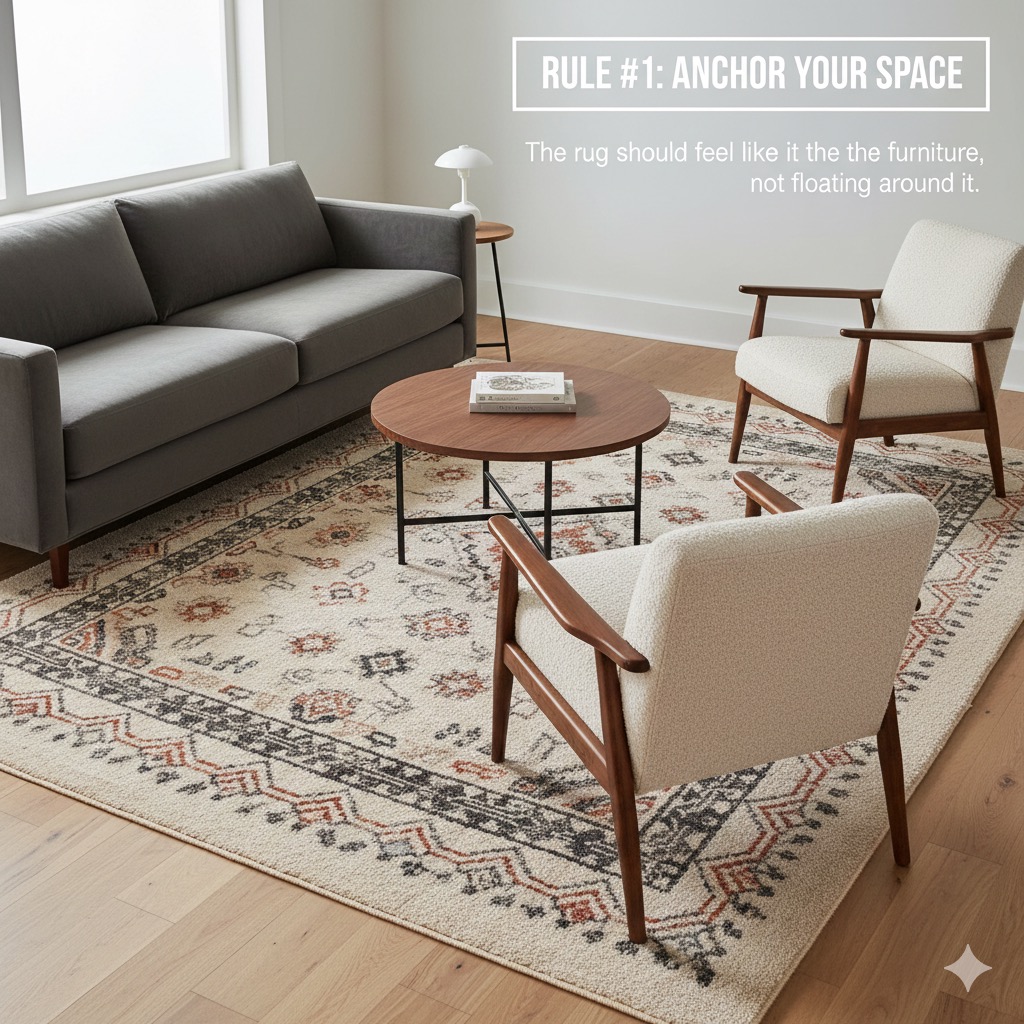
If the space has tile or stone flooring, large area rugs are often used to soften the look. Rugs help define seating areas and make rooms feel cozy. Neutral rugs with subtle patterns are ideal. Nothing too bold or trendy.
The rug should feel like it belongs to the furniture, not floating around it. In living rooms, furniture legs often sit on the rug, creating a connected look.
Lighting That Feels Soft and Thoughtful
Lighting in transitional design is both practical and beautiful. It is not flashy, but it is carefully chosen.
Overhead lighting often has simple shapes with a touch of classic influence. Think soft metal finishes, glass shades, or fabric-covered fixtures. Nothing too industrial or too ornate.
Table lamps and floor lamps are just as important. They add warmth and help create a relaxed mood in the evening. Lamps with fabric shades soften the light and make the room feel cozy.
Good lighting makes a transitional interior feel calm and welcoming at all times of day. Bright enough to function, soft enough to relax.
Walls, Art, and Decorative Details
Walls in transitional interiors are usually kept clean. Artwork is chosen with care, not crowded together. Large pieces or simple gallery arrangements work well.
Art often features calm colors, abstract shapes, landscapes, or soft photography. Frames are usually simple, in wood or black finishes.
Decor items are minimal but meaningful. A ceramic vase, a stack of books, a small sculpture, or a plant. These items add personality without clutter.
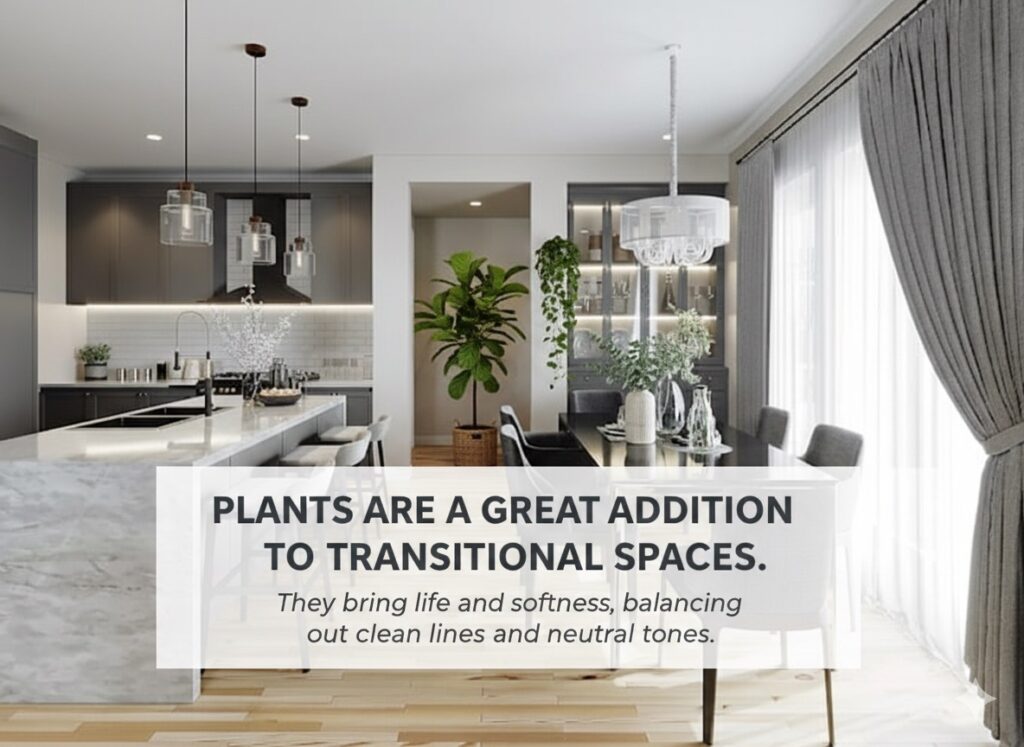
Plants are a great addition to transitional spaces. They bring life and softness, balancing out clean lines and neutral tones.
Creating Comfort Without Clutter
One of the biggest mistakes people make when trying transitional design is adding too much. Transitional interiors feel calm because they are edited. Every item has a purpose.
This does not mean the space feels empty. It means it feels intentional. Storage is often hidden or built-in. Surfaces are kept mostly clear.
Comfort comes from good furniture, soft lighting, and thoughtful layout, not from filling every space with decor.
Making the Space Feel Personal
A transitional interior should never feel generic. Even though the style is calm and neutral, it should still reflect the people who live there.
Personal photos, meaningful objects, and favorite books all have a place. The key is choosing quality over quantity.
When you love what you display, the space naturally feels warm and authentic.
Why Transitional Design Works So Well
Transitional design works because it adapts. It does not lock you into one trend or era. You can slowly update pieces over time without breaking the look.
It also works for many lifestyles. Families, couples, and individuals all find comfort in this style. It feels grown-up but not boring. Stylish but not intimidating.
Most importantly, it feels like home.
Final Thoughts
Building a transitional interior is not about copying a showroom. It is about creating balance. Mixing clean lines with soft textures. Mixing modern shapes with classic comfort. Choosing calm colors and layering them with warmth.
When done right, a transitional space feels timeless. It grows with you. It stays beautiful year after year without needing constant updates.