
Turn Your Space into a Bright, Intellectual Space
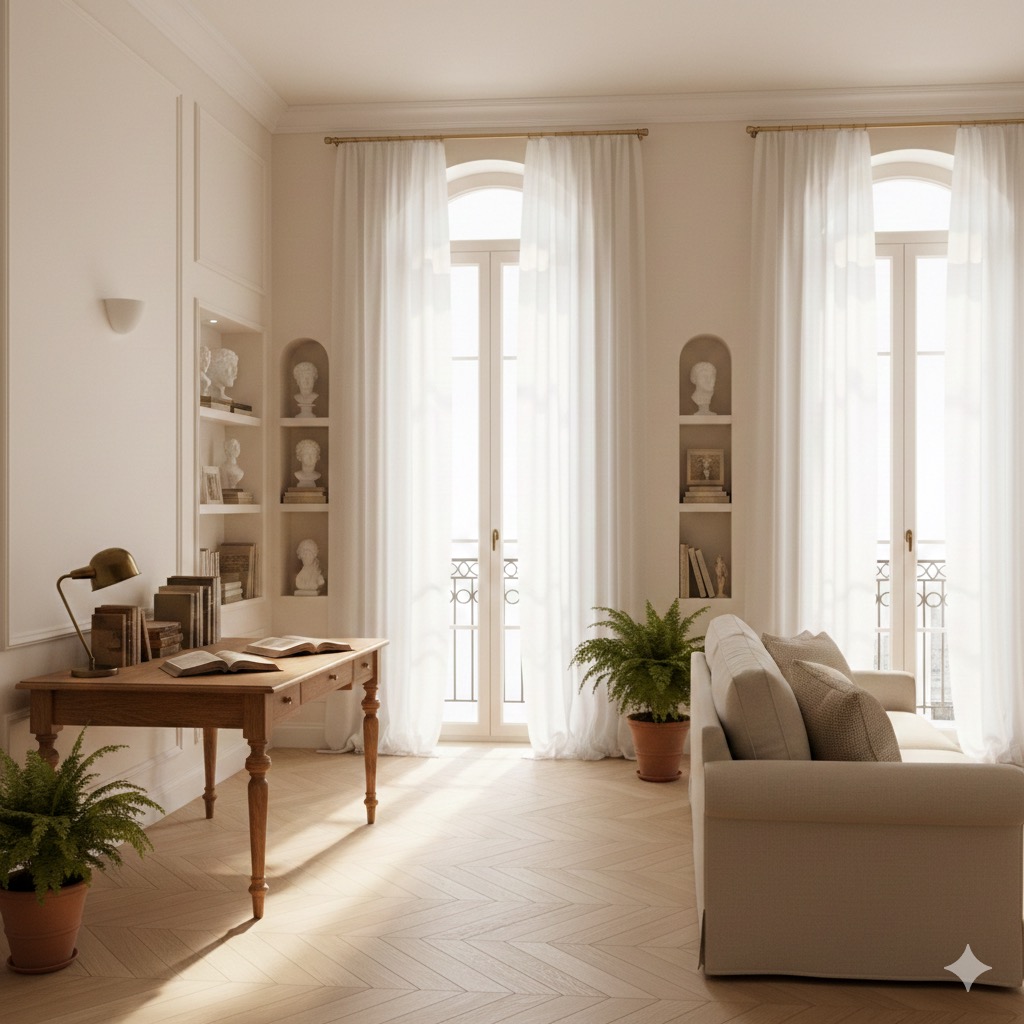
The Light Academia aesthetic has captured the hearts of those who find beauty in knowledge, serenity in simplicity, and inspiration in classical learning. Unlike its darker counterpart, Light Academia embraces soft neutrals, natural light, and an atmosphere that feels both scholarly and approachable. This interior design style creates spaces that feel like peaceful libraries, European study rooms, and sunlit reading corners all wrapped into one cohesive home.
Building a Light Academia home isn’t about recreating a museum or spending a fortune on antiques. It’s about understanding the core principles of this aesthetic and applying them thoughtfully to create a space that encourages reading, learning, creativity, and calm reflection. Whether you live in a small apartment or a spacious house, you can transform your environment into a scholarly sanctuary that feels both elegant and lived-in.
This guide will walk you through every aspect of creating your Light Academia home, from choosing the right color palette to selecting furniture, arranging your books, and adding those finishing touches that make the space uniquely yours. You’ll learn how to balance aesthetics with functionality, how to shop smartly for pieces that fit the style, and how to create an atmosphere that truly supports your intellectual pursuits and daily life.
Understanding the Light Academia Color Palette
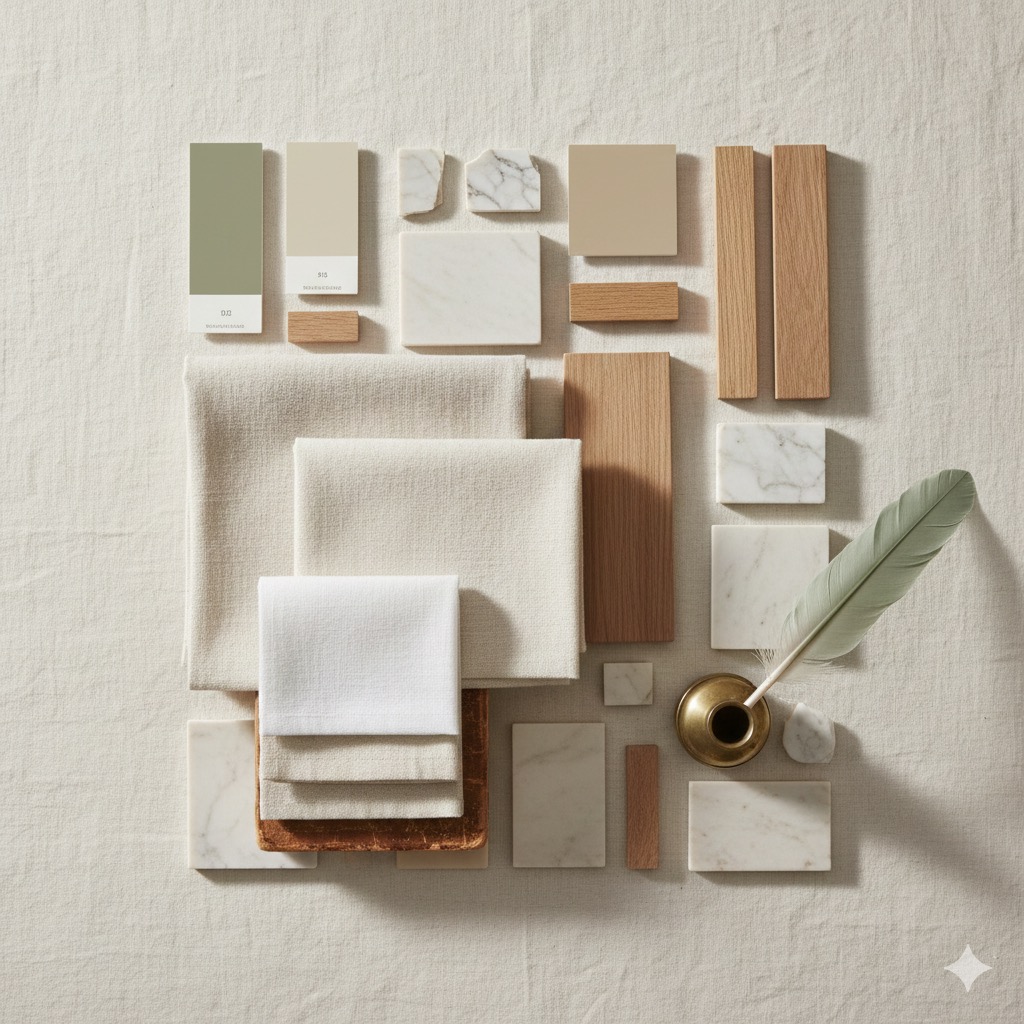
This aesthetic lives in the realm of soft, muted tones that evoke old parchment, aged book pages, and sunlight filtering through library windows. Your color choices will set the entire mood of your space, so understanding these hues is essential before you make any major design decisions.
Your walls should become a canvas of cream, ivory, or the palest beige. Think about the color of old library walls or the soft white of classical architecture. These aren’t the stark, cold whites of modern minimalism. Instead, they’re warm neutrals with subtle undertones of yellow, pink, or gray that make spaces feel welcoming rather than clinical. If pure white feels too stark, consider shades like Swiss Coffee, Alabaster, or Navajo White. These colors have enough warmth to create coziness while still keeping spaces bright and open.
For larger furniture pieces and textiles, embrace the full spectrum of warm neutrals. Beige, tan, camel, and light brown all work beautifully in this aesthetic. These colors reference the leather of old book bindings, the wood of library shelves, and the natural fabrics of classical interiors. They’re sophisticated without being pretentious, and they create a backdrop that lets your books, art, and decorative objects shine.
Accent colors in Light Academia are subtle and nature-inspired. Sage green appears in throw pillows, plant pots, or accent chairs, referencing the ivy-covered walls of old universities. Soft terracotta might show up in pottery or cushions, adding warmth without overwhelming the palette. Dusty blue works well in smaller doses, perhaps in a vintage rug or artwork. Pale gold and brass tones appear in lighting fixtures, picture frames, and decorative objects, adding just enough richness without tipping into ostentation.
The key to making this color palette work is layering different shades and textures of similar colors. A cream wall with beige curtains, tan furniture, and ivory cushions might sound monotonous, but when you add varied textures like linen, wool, cotton, and wood, the space comes alive. Each material catches light differently, creating depth and visual interest without relying on bold color contrasts.
Natural wood tones are equally important to your color story. Light to medium woods like oak, ash, maple, and light walnut fit perfectly into Light Academia spaces. These woods feel classic and scholarly without the heaviness of dark mahogany or walnut. They reference old school desks, library shelves, and European furniture without feeling formal or stuffy. If you have existing furniture in darker woods, you can lighten them with wood soap or wax treatments, or simply balance them with plenty of lighter elements in the room.
When choosing paint and fabrics, always test samples in your actual space. Colors look completely different depending on the light in your home. What appears as a soft cream in the store might read as pink or yellow on your walls. Get large samples and observe them throughout the day, noticing how morning light, afternoon sun, and evening lamps change their appearance. This extra step ensures you create the exact atmosphere you’re imagining.
Maximizing Natural Light and Window Treatments
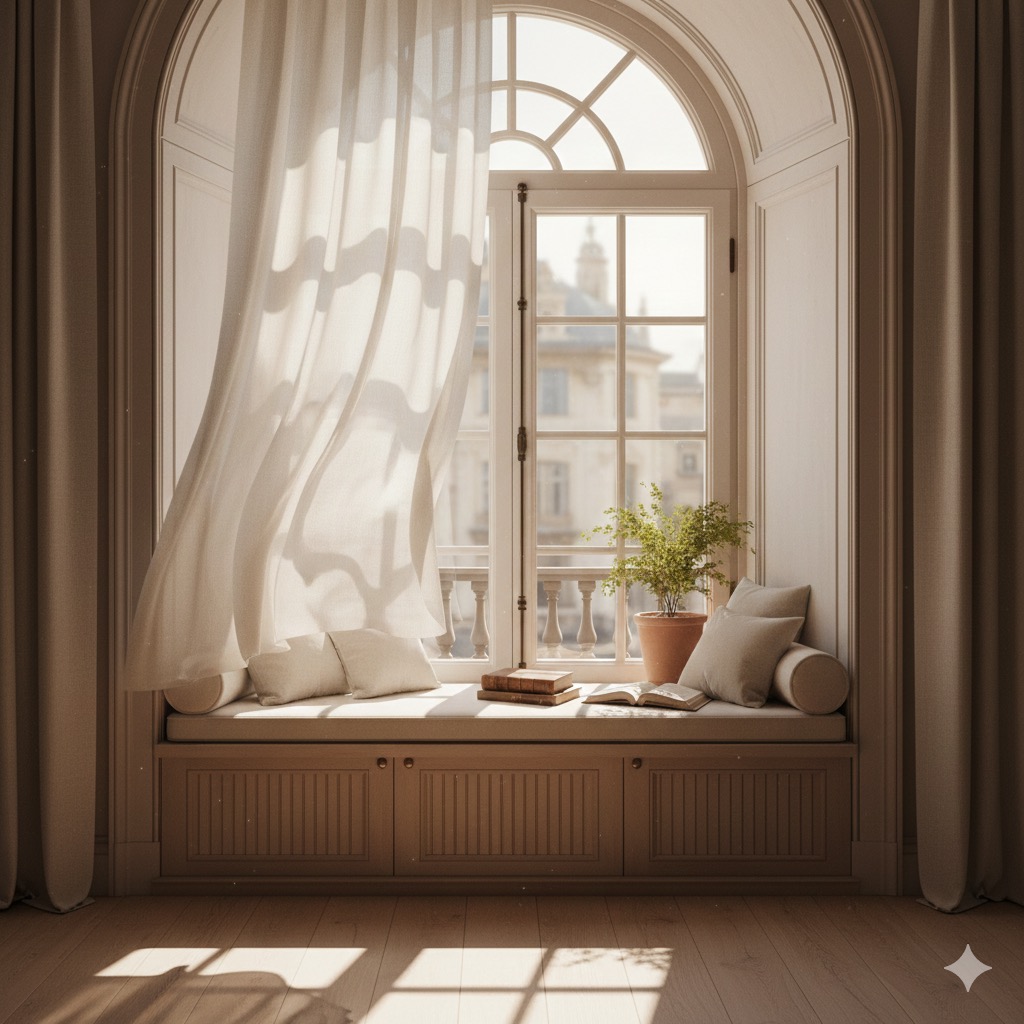
The goal is to maximize natural light while maintaining privacy and softness.
Start by assessing your current window situation. Remove any heavy, dark curtains or blinds that block light. If your windows are small or limited, you’ll need to be even more strategic about how you treat them. For rooms with adequate natural light, you can add more elaborate treatments. For darker spaces, keep window coverings minimal and focus on reflecting light around the room.
Sheer curtains are the backbone of Light Academia window treatments. Choose natural fabrics like linen, cotton, or cotton-linen blends in white, cream, or ivory. These materials diffuse harsh sunlight while still allowing plenty of brightness to fill the room. When hung properly, sheer curtains create beautiful, soft shadows and add movement to your space. The fabric should be lightweight enough to flutter with air movement but substantial enough to provide some privacy during the day.
Install your curtain rods as high as possible, ideally just below the ceiling line or crown molding. This makes your ceilings appear taller and your windows appear larger. The curtains themselves should puddle slightly on the floor or just kiss it, creating elegant vertical lines that draw the eye upward. If you’re working with standard-length curtains that don’t reach the floor, consider adding a coordinating fabric panel to extend them.
For layering and additional privacy, consider adding natural wood blinds or Roman shades in a light finish. These can be raised during the day to disappear entirely or lowered at night for privacy while maintaining the aesthetic. Bamboo or woven wood shades add texture and filter light beautifully when partially lowered. Avoid vinyl or plastic blinds, which look cheap and don’t fit the natural, classical feel of Light Academia.
If you’re fortunate enough to have beautiful original windows with interesting shapes or details, let them be a focal point. Arched windows, French doors, or bay windows are perfect for this aesthetic. Clean them thoroughly so they sparkle, and keep treatments minimal to showcase their architecture. Sometimes a simple valance or just bare windows work best when the windows themselves are special.
Window seats are a dream feature for Light Academia homes. If you have the space and budget, building a window seat creates the perfect reading nook. Add a cushion in a natural fabric, pile on some pillows, and position a small bookshelf nearby. If you can’t build a permanent window seat, create the effect by placing a low bench or ottoman under a window and styling it similarly.
Don’t forget about window maintenance as part of your light-maximizing strategy. Clean windows regularly, both inside and out. Dirty glass can block surprising amounts of light and make everything look dingy. Wash your sheer curtains periodically to keep them fresh and bright. Natural fabrics can yellow over time, especially in sunny windows, so plan to replace them every few years to maintain that crisp, fresh look.
For rooms that lack adequate natural light, supplement strategically with warm-toned artificial lighting that mimics daylight. Place mirrors opposite windows to reflect and amplify available light. Choose light-colored or reflective surfaces for furniture and decor to bounce light around the room. While you can’t create natural light where it doesn’t exist, you can certainly make the most of what you have.
Selecting Essential Furniture Pieces
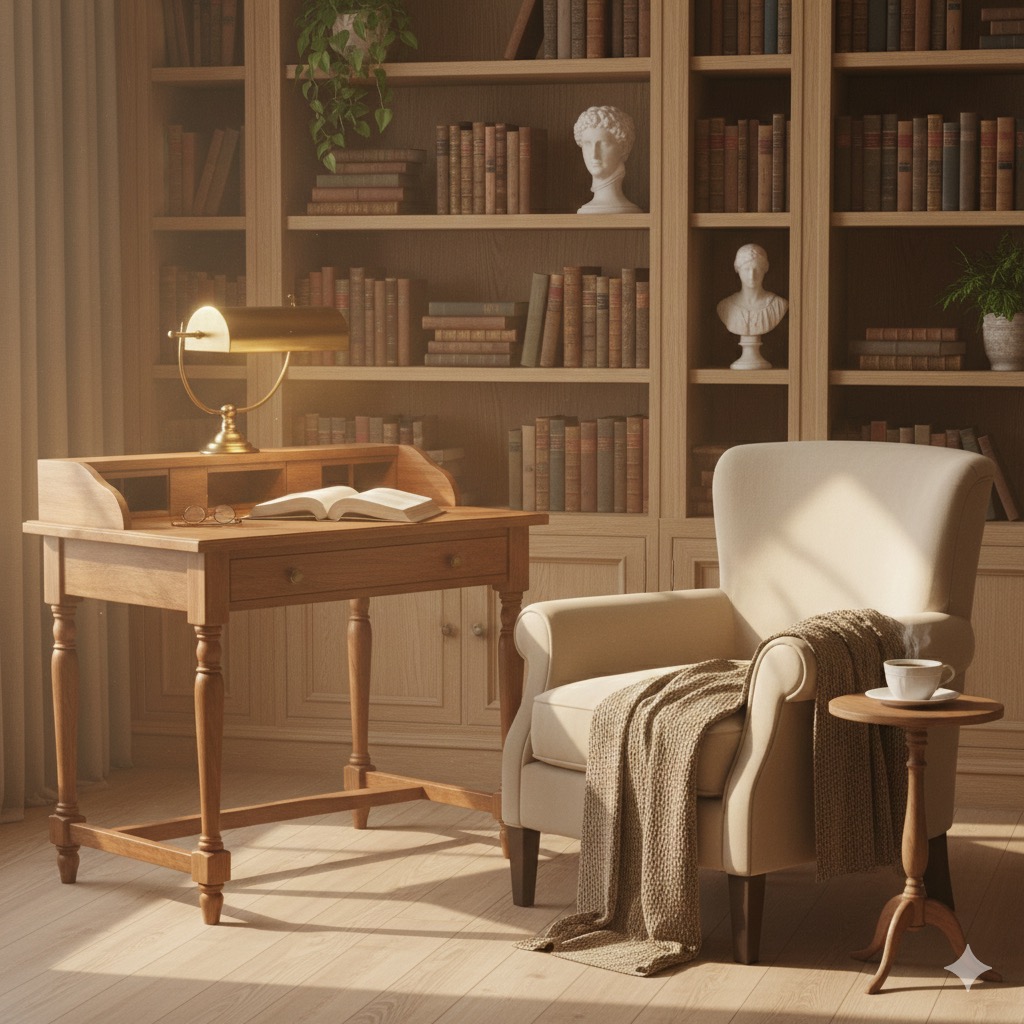
Furniture choices define the functionality and feel of your Light Academia home. The pieces you select should balance aesthetics with comfort, support your intellectual pursuits, and create spaces that invite you to read, write, study, and relax. Quality matters more than quantity in this aesthetic.
Your desk is perhaps the most important furniture piece in a Light Academia home. This is your command center for writing, studying, and creative work. Look for wooden desks with clean lines and classical details like turned legs, brass hardware, or carved edges. A secretary desk with a fold-down writing surface works beautifully in small spaces and has that perfect vintage scholarly feel. Roll-top desks, library tables, and partners desks all fit the aesthetic if you have space for larger pieces.
The desk should be functional first and beautiful second. Make sure it has enough surface area for your computer or laptop, books, and writing materials. Drawers are essential for keeping your workspace organized and clutter-free. A desk with a hutch or upper shelving provides extra storage and display space for books and decorative objects. If you’re working with a tight budget, even a simple wooden dining table can serve as a desk when styled correctly.
Seating deserves careful consideration because you’ll spend hours in these pieces. An upholstered armchair in cream linen or soft beige fabric creates the perfect reading corner. Look for pieces with wooden legs and arms, which add visual interest and tie into the overall aesthetic. The chair should be comfortable enough for long reading sessions but supportive enough for good posture. A small footstool or ottoman increases comfort and adds an extra surface for stacking books.
If you have space for a sofa, choose one with a classic silhouette in a neutral fabric. Rolled arms, wooden legs, and cushions you can actually sink into all work well. Skip anything too modern or geometric. The sofa should look like something you’d find in a professor’s study or a library reading room. Slipcovers in natural linen are perfect for this aesthetic and have the practical benefit of being washable.
Bookshelves are obviously essential in a Light Academia home. Built-in shelves are ideal, but freestanding units work just as well. Look for wooden shelves in light finishes, or paint existing shelves in cream or soft white. The shelves should be sturdy enough to hold heavy books without sagging. Adjustable shelves let you accommodate books of different heights. If you’re mixing furniture styles, matching all your bookshelves creates cohesion even if other pieces vary.
Side tables and coffee tables should be simple and functional. Round wooden tables with turned legs, rectangular tables with lower shelves for book storage, or vintage school desks all work beautifully. The height should be appropriate for comfortable use, whether you’re setting down a teacup while reading or using it as a footrest. Marble or stone tops add an elegant touch if they fit your budget.
A trunk or chest serves multiple purposes in Light Academia spaces. It provides storage for blankets, out-of-season clothes, or extra books while also functioning as a coffee table or extra seating. Vintage steamer trunks, wooden chests, and wicker storage trunks all fit the aesthetic. This type of furniture adds character and solves storage problems simultaneously.
Consider adding a writing bureau or small secretary desk in your bedroom or a quiet corner. These compact pieces include writing surfaces and small storage cubbies, perfect for journaling, letter writing, or morning planning sessions. They have a romantic, old-world quality that reinforces the scholarly atmosphere.
When shopping for furniture, focus on wood, natural fabrics, and classic shapes. Avoid anything too modern, industrial, or minimalist. Look for pieces with some history or character, even if that history is manufactured. New furniture that references classical styles works just as well as authentic antiques. The goal is creating an atmosphere, not a museum.
Thrift stores, estate sales, and online marketplaces are treasure troves for Light Academia furniture. You can often find solid wood pieces that just need cleaning or a fresh coat of paint. A dark wood dresser can be transformed with white or cream paint. An old desk with damaged veneer can be sanded and refinished. With some vision and elbow grease, you can furnish your space beautifully on a modest budget.
Your Library and Book Display
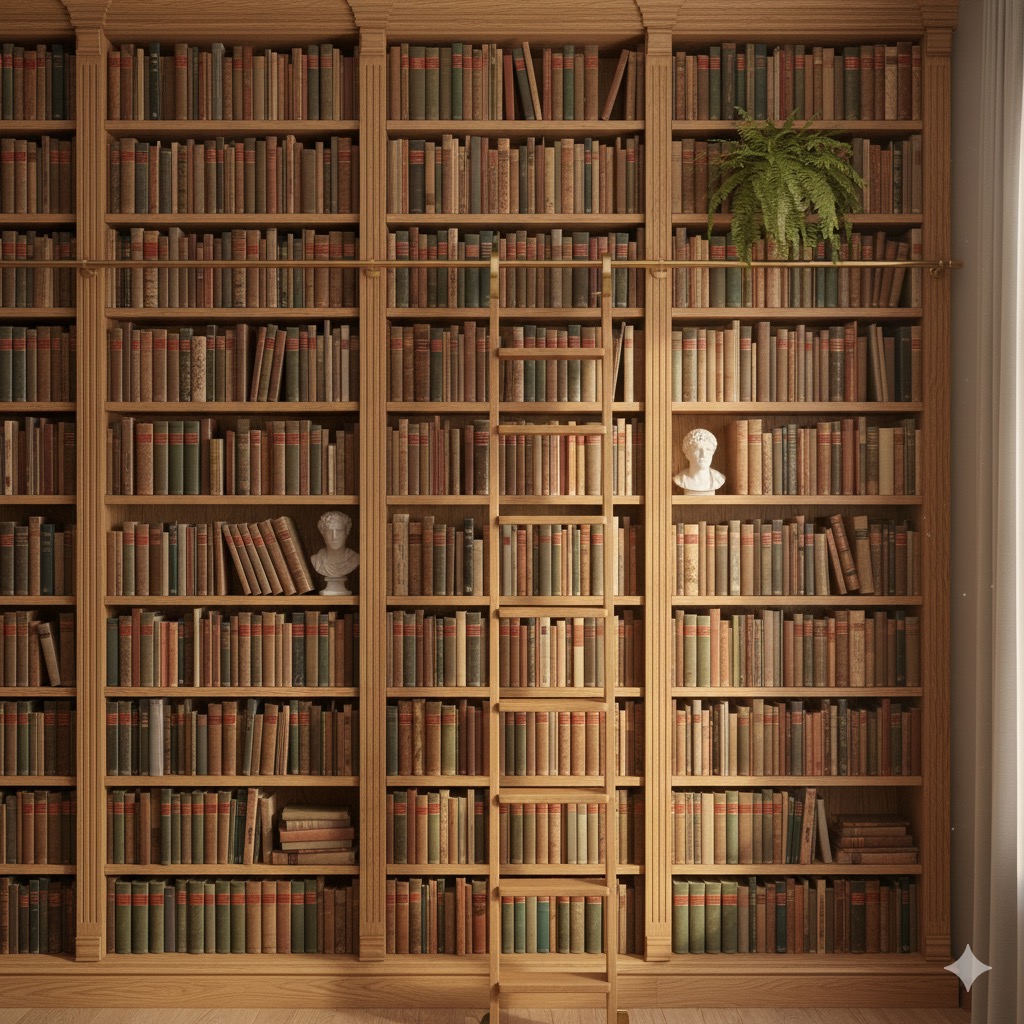
Start by gathering all your books in one place and sorting them. This gives you a complete picture of what you own and lets you make decisions about what stays visible and what gets stored. Not every book needs to be displayed. Academic texts, reference materials, beloved novels, classic literature, poetry collections, and beautiful coffee table books are all excellent candidates for display. Mass market paperbacks with bright covers, outdated textbooks you’ll never reference, and books you’ve been meaning to donate can go into storage or leave your home entirely.
Organizing books is deeply personal, but several methods work well for Light Academia aesthetics. Color coding creates a visually striking effect, especially if your books trend toward neutral tones. Arranging books by subject matter feels most scholarly and makes finding specific titles easier. Organizing by author works well for dedicated readers with extensive collections. Height-based organization creates clean lines but can feel a bit too designed. Most people end up using a combination of these methods.
When arranging books on shelves, avoid filling every shelf completely. Leave some breathing room at the ends of rows. This negative space prevents the shelves from feeling cluttered and gives you room to pull books out easily. Vary the height of books on each shelf for visual interest. Mix horizontal and vertical stacking to add dimension. A small stack of horizontal books topped with a decorative object creates a focal point and breaks up the vertical lines.
Integrate decorative objects throughout your book displays. Small sculptures, vintage bookends, potted plants, framed photographs, and collected treasures all work beautifully interspersed with books. These objects should complement rather than compete with your books. Choose pieces in neutral tones that fit the overall color palette. Brass, marble, terracotta, and natural wood all work well. Avoid bright plastic or anything too contemporary.
Consider creating small vignettes on shelves by grouping related items. A stack of poetry books with a small vase of dried flowers and a vintage photograph creates a scene. Reference books about art grouped with small postcards from museums and a classical bust make another vignette. These small arrangements make shelves feel curated and intentional rather than just stuffed with books.
If you have coffee table books or particularly beautiful volumes, display them on surfaces throughout your home. A stack of art books on your coffee table, a vintage atlas open to an interesting page on your desk, or poetry collections on your nightstand all reinforce the intellectual atmosphere. These displayed books should be ones you actually reference or enjoy, not just chosen for their spines.
Invest in quality bookends if your shelves need them. Marble bookends, brass bookends, vintage wooden bookends, or even stacks of rocks can work depending on your style. The bookends should be heavy enough to actually hold books upright and attractive enough to enhance your display.
For books you love but that don’t fit the aesthetic visually, consider custom book covers. You can wrap books in kraft paper, create custom covers from fabric or decorative paper, or use book sleeves. This sounds precious, but it can make a significant visual difference if you have many books with bright or clashing covers.
Lighting your bookshelves properly makes them a true feature rather than just storage. If you have built-in shelves, consider adding LED strip lighting to the underside of shelves. This creates beautiful ambient lighting and makes it easier to read titles. Picture lights or small clip-on lamps can highlight specific shelves or favorite books. Even just positioning a floor lamp near your bookshelves improves their visibility and appeal.
Keep your books in good condition by controlling humidity and protecting them from direct sunlight, which can fade spines and damage pages. Dust shelves and books regularly with a soft cloth. If you have particularly valuable or delicate books, consider storing them in archival boxes or keeping them away from the most trafficked areas of your home.
Your personal library will grow and change over time. Set aside time quarterly to reassess your collection. Add new purchases, remove books you’ve finished and don’t need to keep, and reorganize as needed.
Building Ambiance with Lighting
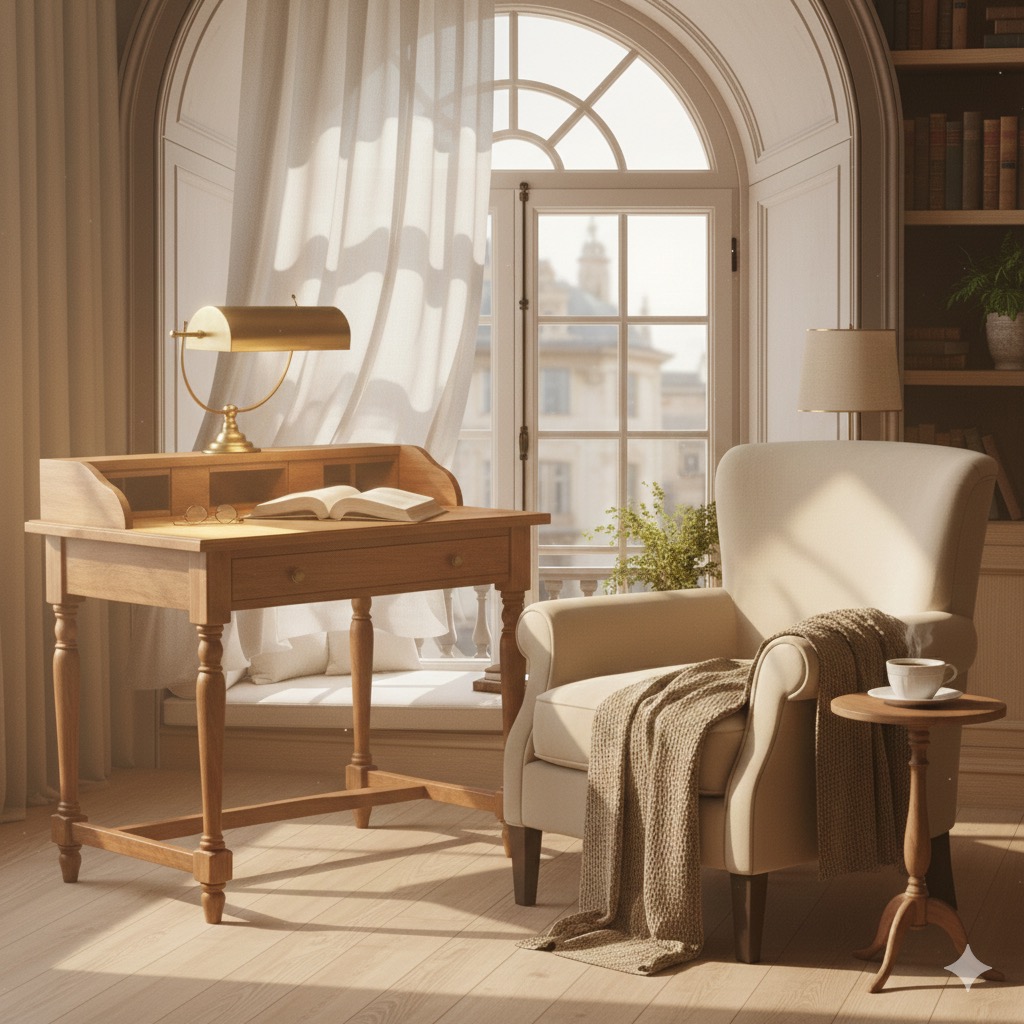
Lighting transforms your Light Academia home from a collection of nice furniture into an atmospheric sanctuary. The right lighting creates warmth, encourages relaxation, and makes spaces functional for reading and studying. You need multiple types of lighting working together to achieve the perfect ambiance.
Start with your overhead lighting. Ceiling fixtures in Light Academia spaces should be elegant but understated. A simple brass or bronze chandelier, a milk glass flush mount, or even an elegant pendant light can work. The fixture should provide adequate general illumination but shouldn’t be so bright that it feels harsh. Install dimmer switches on overhead lights so you can adjust the level throughout the day. Warm-toned bulbs are essential. Choose LED bulbs with a color temperature of 2700K to 3000K, which creates a soft, warm glow similar to traditional incandescent bulbs.
Task lighting is crucial for reading, writing, and detailed work. A brass desk lamp with an adjustable arm provides focused light exactly where you need it while adding to the aesthetic. Look for lamps with fabric or metal shades that direct light downward. Swing-arm lamps mounted on walls near reading chairs save surface space and provide adjustable lighting. The classic banker’s lamp with a green glass shade fits perfectly into Light Academia spaces and provides excellent task lighting.
Table lamps and floor lamps create ambient lighting and add warmth to corners and dark spaces. Choose lamps with cream, beige, or white linen shades that diffuse light softly. Brass, bronze, or wooden bases fit the aesthetic better than chrome or black metal. The lamp should be proportional to the surface it sits on. A too-small lamp on a large table looks dingy and provides inadequate light. Position lamps at different heights throughout the room to create depth and dimension.
Floor lamps should stand tall enough to cast light over your shoulder when you’re sitting. Arc floor lamps can illuminate reading chairs or sofas without taking up table space. Tripod floor lamps with fabric shades add visual interest and sculptural quality. Position floor lamps in corners to wash walls with light and make spaces feel larger and brighter.
Candles are essential for creating authentic Light Academia atmosphere. Use real wax candles in brass or glass holders rather than battery-operated fakes. Taper candles in brass candlesticks on your desk or mantel add elegance. Pillar candles in hurricane glasses provide ambient light during evening reading sessions. Scented candles in appropriate fragrances like old books, tobacco, vanilla, or amber enhance the sensory experience. Always practice fire safety and never leave burning candles unattended.
Natural light remains your primary light source during daytime, so everything else should complement rather than compete with it. During the day, you might only need a desk lamp for focused work. As afternoon fades to evening, add a table lamp or two. When night falls, layer in the floor lamp and overhead lighting as needed. This gradual transition mimics natural light patterns and feels more organic than switching on all lights at once.
Consider the color and finish of your light fixtures as part of your overall design. Brass and bronze finishes add warmth and fit the classical aesthetic perfectly. White or cream-painted fixtures work well if you want something lighter. Avoid chrome, brushed nickel, or black metal fixtures, which read as too modern for this style.
If you’re working with existing light fixtures that don’t fit the aesthetic, simple swaps can make a big difference. Change out basic builder-grade ceiling fixtures for something more interesting. Replace plastic or glass lampshades with linen or fabric ones. Switch harsh white bulbs for warm-toned ones. Even these small changes significantly impact the overall atmosphere.
For rooms that lack overhead lighting, rely on multiple lamps to provide adequate illumination. A room with a floor lamp in one corner, a table lamp on a desk, and another table lamp on a side table can be beautifully lit without ceiling fixtures. The key is distributing light sources around the room rather than clustering them all in one area.
Pay attention to shadows as much as light sources. Harsh shadows from single light sources feel uncomfortable and make reading difficult. Multiple light sources at different heights create softer, more diffused shadows that feel natural and pleasant. Lampshades and diffusers soften light and prevent glare, which is especially important in spaces where you’ll be reading for extended periods.
Adding Textiles and Soft Furnishings
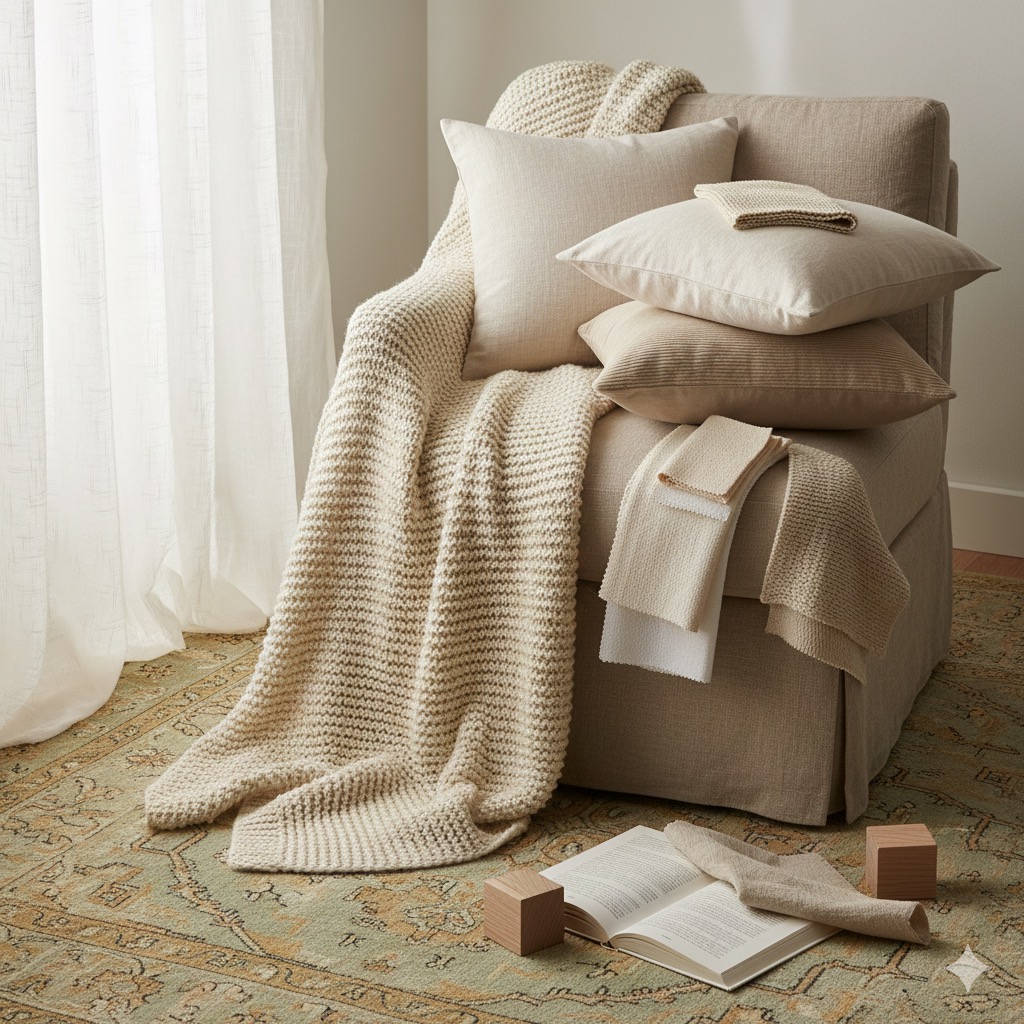
The fabrics you choose and how you layer them create the cozy, inviting quality that makes these spaces feel lived-in rather than staged. Natural materials and neutral colors guide all your textile choices.
Linen is the workhorse fabric of Light Academia interiors. This natural fiber has a beautiful, relaxed texture that softens over time and washing. Use linen for curtains, throw pillows, tablecloths, and even furniture upholstery. Linen comes in perfect neutral shades and has a casual elegance that fits the aesthetic perfectly. It wrinkles easily, which some people consider a flaw, but those wrinkles actually add to the relaxed, intellectual atmosphere.
Cotton is another essential natural fiber. Choose cotton in heavier weights for durability and a quality feel. Cotton canvas, cotton duck, and cotton twill all work well for throw pillows, cushions, and light upholstery. Pure cotton bedding in white, cream, or beige creates a crisp, clean look in bedrooms. Cotton blends with linen combine the best qualities of both fabrics.
Wool adds warmth and texture through throw blankets, area rugs, and decorative pillows. A chunky knit wool throw in cream or camel looks beautiful draped over a chair or sofa. Wool rugs in vintage patterns or solid neutral colors ground seating areas and add softness underfoot. Felted wool in neutral tones can be used for pillow covers or wall hangings if you want something with more structure.
Layer different textures to create depth and visual interest within your neutral color palette. A linen sofa with cotton pillows, a wool throw, and a jute rug underneath combines multiple textures that all work together. Smooth cotton paired with nubby linen and soft wool creates contrast without introducing color. The eye reads these textural differences as richness and intentional design.
Throw pillows deserve special attention because they’re easy to change and significantly impact the look of your space. Choose pillows in varying sizes, with the largest in back and smaller ones in front. Mix solid neutral colors with subtle patterns like stripes, checks, or small-scale florals in coordinating tones. All your pillows don’t need to match. In fact, slight variations in shade and texture look more collected and interesting than perfectly matched sets.
Area rugs define spaces and add warmth, especially important if you have hard flooring. Look for vintage-style rugs in muted colors and traditional patterns. Persian-style rugs in faded tones, flat-weave kilims in neutrals, or simple sisal and jute rugs all work well. The rug should be large enough to anchor your furniture arrangement. At minimum, the front legs of your sofa and chairs should rest on the rug.
Bedding in Light Academia bedrooms should feel crisp and inviting. Start with quality cotton or linen sheets in white, cream, or soft beige. Layer with a cotton or linen duvet cover in a coordinating neutral shade. Add texture with a knit or woven blanket folded at the foot of the bed. Finish with pillows in varying sizes and a few decorative cushions. The bed should look inviting and comfortable but not overly styled or formal.
Table linens add polish to dining areas and surfaces. A linen table runner in natural color looks beautiful on a dining table or sideboard. Cloth napkins in coordinating shades elevate everyday meals. A tablecloth for special occasions in cream linen or cotton creates an elegant foundation for table settings.
Window treatments, as discussed earlier, rely on natural fabrics. Beyond sheers, consider adding heavier linen or cotton curtains for bedrooms where you need more light control. These can be hung on the same rod as sheers for a layered look, or on a separate rod for more flexibility. The heavier curtains should still be in neutral tones but can be slightly darker than your sheers for contrast.
When selecting textiles, feel the fabric in person whenever possible. Photos don’t capture texture, and texture is crucial in a neutral color scheme. A scratchy fabric won’t feel comfortable no matter how perfect the color is. High-quality natural fibers feel better, last longer, and age more beautifully than synthetic alternatives or low-quality natural fibers.
Care for your textiles properly to maintain their appearance. Most natural fiber fabrics can be machine washed in cool water and line dried or tumbled on low heat. This actually improves linen over time, making it softer and more beautiful. Wool items need more gentle care, often requiring hand washing or dry cleaning. Always check care labels and test cleaning methods on hidden areas first.
Budget-conscious textile shopping means looking for sales on quality natural fiber items rather than buying cheap synthetic alternatives. One beautiful linen throw will outperform and outlast three cheap fleece blankets. End-of-season sales, outlet stores, and online retailers often have excellent deals on natural fiber textiles. You can build your textile collection gradually, adding pieces as you find good quality at good prices.
Incorporating Plants and Natural Elements
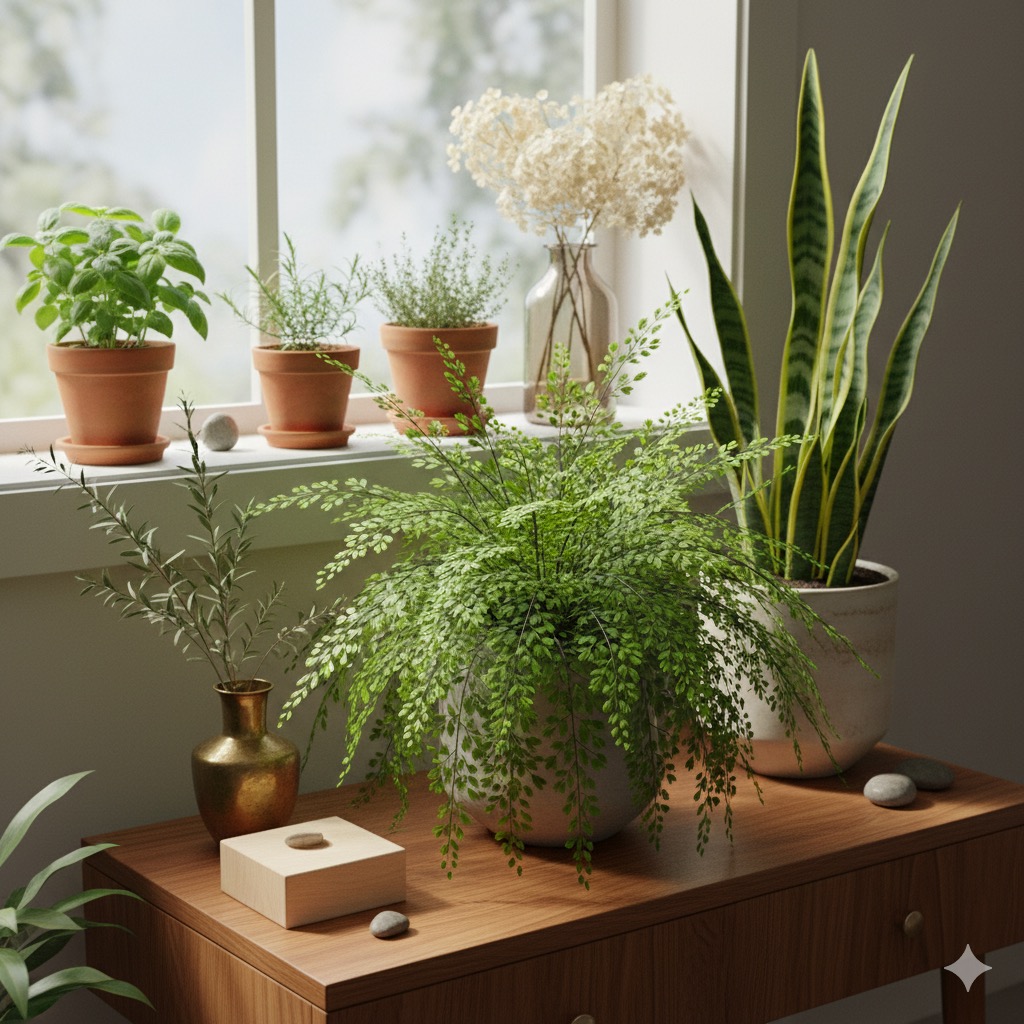
Plants and natural elements bring life, color, and freshness to Light Academia spaces. They connect your indoor environment to the natural world and provide the subtle green tones that complement the neutral color palette perfectly. Even if you don’t consider yourself a plant person, a few easy-care specimens can transform your space.
Ferns are quintessentially Light Academia. Their delicate fronds and classical associations with libraries and conservatories make them perfect for this aesthetic. Boston ferns, maidenhair ferns, and bird’s nest ferns all work well indoors with proper care. They prefer indirect light and consistent moisture. Place ferns on plant stands near windows, on bookshelves, or in corners where they can soften hard edges.
Pothos and philodendrons offer easy-care options that still look lush and beautiful. These trailing plants can be trained to climb shelves, hung in macrame hangers, or allowed to cascade from tall furniture. Their heart-shaped leaves add a romantic touch, and they tolerate a range of light conditions. Choose varieties with solid green leaves rather than variegated options for a more classical look.
Snake plants and ZZ plants work well if you tend to forget about watering. These architectural plants have a sculptural quality that adds interest without requiring much attention. Their upright form works well on floors next to furniture or on tables and desks. In low light conditions, these plants survive where others would struggle.
Herbs on a sunny windowsill combine beauty with function. A small collection of basil, rosemary, thyme, and sage not only looks beautiful but provides fresh herbs for cooking. Terracotta pots or simple ceramic containers in neutral colors keep the look cohesive. The act of tending and harvesting herbs fits perfectly with the Light Academia lifestyle.
If you struggle to keep plants alive or travel frequently, high-quality faux plants offer an alternative. Modern artificial plants look remarkably realistic, especially from a distance. Choose ones with natural-looking leaves and appropriate sizing. Faux eucalyptus, olive trees, and ferns can work well if you select quality options and dust them regularly.
Dried flowers and grasses add texture and subtle color without requiring any care. Stems of dried wheat, pampas grass, or bunny tails in a simple vase create an elegant display. Dried eucalyptus, lavender, or roses preserve the romance of fresh flowers indefinitely. These dried arrangements fit the vintage, scholarly aesthetic while adding organic shapes to your space.
Branches and natural wood elements bring the outdoors inside. A large branch or small tree limb in a heavy vase makes a striking sculptural statement. Driftwood pieces, interesting roots, or curved branches add natural art to your space. These elements are often free if you collect them yourself from beaches, woods, or even your own yard.
Stones, shells, and other natural objects collected from nature personalize your space and reference the natural philosophy and scientific pursuits associated with academia. Display interesting rocks on bookshelves, shells in glass jars, or geological specimens as decorative objects. These collections tell a story about your interests and explorations.
When choosing planters and vessels for your plants, stick to natural materials and neutral colors. Terracotta pots are classic and affordable. Ceramic pots in cream, beige, or white look clean and elegant. Brass planters add a touch of glamour. Woven baskets work well for larger plants and can be lined with plastic to protect floors. Avoid bright plastic pots or anything too modern and geometric.
Group plants in odd numbers and varying heights for visual interest. Three plants of different sizes create a more dynamic arrangement than two identical ones. Mix trailing plants with upright ones and combine different leaf shapes and textures. Position plants throughout your space rather than clustering them all in one area.
Care for your plants by learning their specific needs. Most houseplants prefer indirect light, consistent watering, and occasional feeding. Check soil moisture before watering rather than following a strict schedule. Wipe dust from leaves monthly to help plants photosynthesize efficiently. Rotate plants occasionally so all sides receive light evenly.
Plants improve air quality, reduce stress, and create a connection to nature that’s essential for wellbeing. In a Light Academia home focused on learning and contemplation, the presence of growing things provides balance and reminds us that knowledge and nature are inseparably connected.
Functional Study and Work Spaces
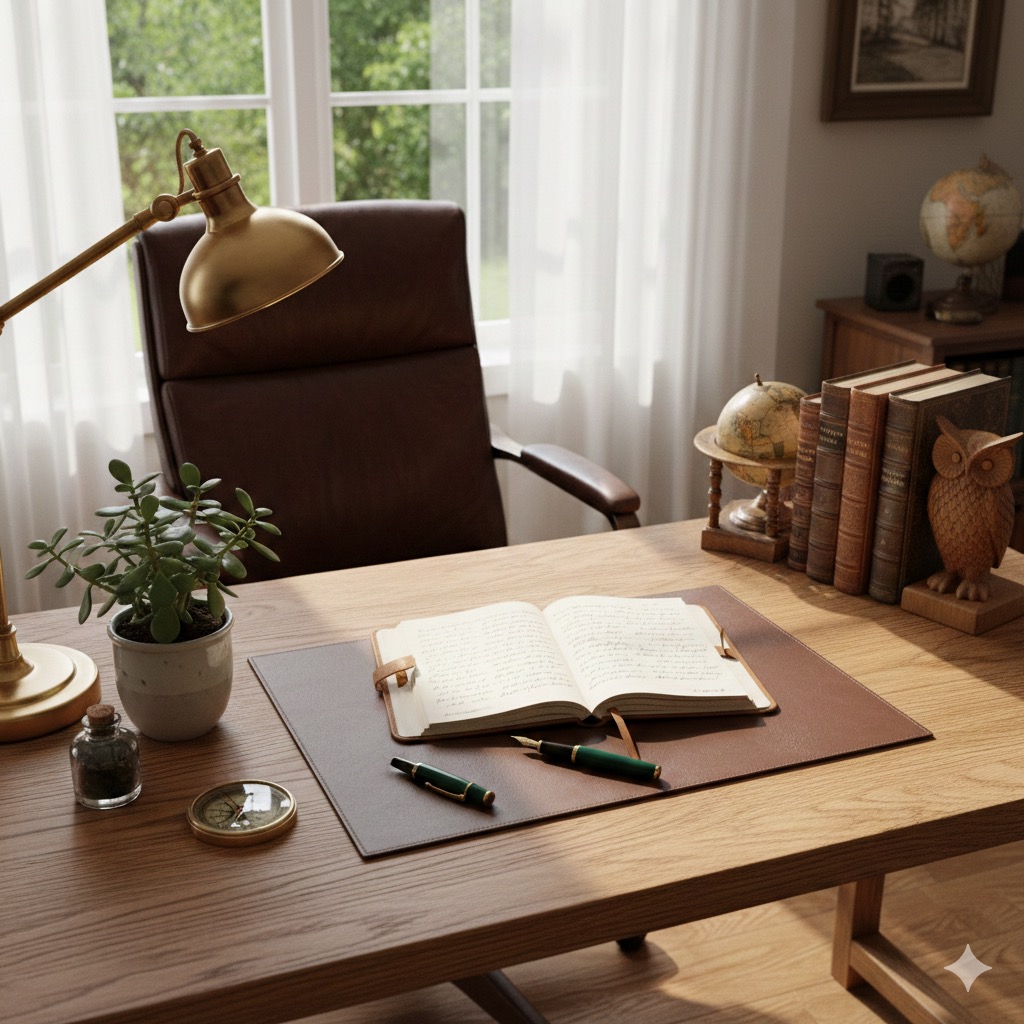
Your study and work spaces need to be genuinely functional, not just aesthetically pleasing. Light Academia celebrates learning, reading, and intellectual work, so your desk and study areas should support these activities beautifully and practically. Creating spaces where you actually want to spend time working is essential.
Desk organization starts with understanding how you work. If you work on a computer most of the day, cable management becomes crucial. Use cable clips, sleeves, or boxes to keep cords controlled and out of sight. A messy tangle of black cables ruins even the most beautiful desk setup. Route cables behind your desk or use a cable management box that blends with your aesthetic.
Your desk surface should remain relatively clear when not in use, with everything you need within easy reach. A desk organizer in wood, brass, or leather keeps pens, pencils, and small supplies accessible but contained. A letter tray or inbox manages papers and documents. A small dish or tray corrals paper clips, thumbtacks, and other tiny items that otherwise scatter.
Reference materials you use daily should be near your desk. A small bookshelf beside your desk holds dictionaries, style guides, notebooks, and frequently referenced texts. A magazine file or vertical organizer on your desk keeps current projects and active files visible and accessible. If desk space is limited, a small rolling cart can hold supplies and tuck under your desk when not needed.
Your desk chair deserves as much attention as your desk itself. You’ll spend hours in this chair, so comfort and support matter more than appearance. That said, you can find chairs that are both comfortable and aesthetically appropriate. Wooden desk chairs with upholstered seats, vintage office chairs in neutral tones, or even dining chairs that happen to be the right height can all work. Make sure the height positions your arms at a 90-degree angle when typing and your feet flat on the floor.
Lighting your workspace properly prevents eye strain and headaches. Position your desk lamp to eliminate glare on your computer screen while providing adequate light for writing and reading. If you face a window, be aware of changing light throughout the day and adjust as needed. Overhead lighting should supplement but not replace task lighting. Multiple light sources at different levels create the most comfortable working environment.
Personalize your desk with meaningful objects that inspire you without cluttering the space. A single framed photograph, a small sculpture, a favorite quote in a tiny frame, or a special pen can make your desk feel like yours. These items should spark joy or motivation when you see them but shouldn’t distract from your work.
Create dedicated spaces for different types of work if possible. A desk for computer work, a comfortable chair with good light for reading, and a different surface for creative projects or spreading out large materials helps your brain shift between different modes of work. Even in a small space, you can create these zones with thoughtful furniture arrangement.
Storage solutions should be beautiful and functional. Vintage boxes, leather document holders, woven baskets, and wooden crates all provide storage while enhancing the aesthetic. Label storage clearly so you can find what you need quickly. File folders in neutral colors keep papers organized. Binders in linen or leather covers store important documents while looking attractive on shelves.
A bulletin board or wall organizer keeps important information visible. A cork board in a wooden frame can be hung above your desk for pinning notes, inspiration, and reminders. A wall-mounted rail system with hooks and clips offers flexible organization. Keep these tools functional rather than over-decorated. Too many layers of papers and images create visual chaos.
Manage digital clutter as carefully as physical clutter. Organize your computer files logically with clear naming systems. Keep your desktop clean with only active project files visible. Regular digital decluttering sessions keep your virtual workspace as serene as your physical one. This might seem unrelated to interior design, but the stress of digital chaos seeps into your physical space.
Take regular breaks from desk work to preserve your health and creativity. Design your study space to encourage good habits. Keep water nearby in a beautiful glass or pitcher. Position your desk near a window you can gaze through periodically to rest your eyes. Create a small stretching area or keep a yoga mat nearby for movement breaks.
If you study or work from home regularly, consider separating your workspace from your relaxation space as much as possible. Even in a studio apartment, you can create some division with furniture arrangement, rugs, or screens. This psychological separation helps you transition between work and rest modes.
Styling Surfaces
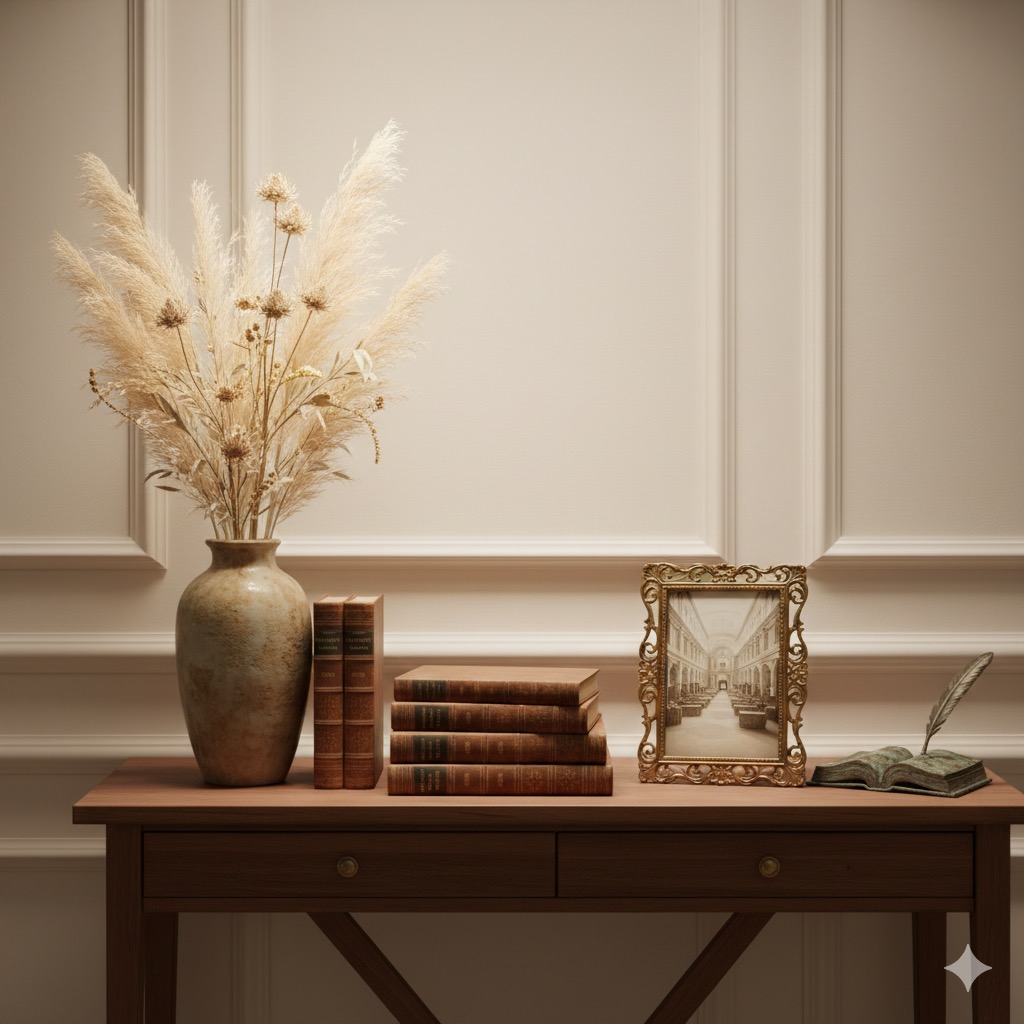
Surface styling is where your personality shines through in your Light Academia home. The objects you choose to display and how you arrange them create visual interest and tell the story of who you are. Mastering the art of the vignette turns your tables, shelves, and surfaces into small scenes that delight the eye.
Start with the concept of three as a magic number in styling. Groupings of three objects create visual balance and feel more intentional than pairs or single items. Vary the heights of the three objects for dimension. For example, a tall candlestick, a medium vase with flowers, and a short stack of books create a pleasing triangular composition.
Layer items to create depth. Place taller items toward the back and shorter items in front. Lean a framed print against the wall behind a small sculpture. Stack books of decreasing size and top them with a meaningful object. This layering creates visual interest and makes surfaces feel curated rather than randomly decorated.
Mix textures and materials within your displays. Combine smooth ceramics with rough wood, shiny brass with matte stone, soft textiles with hard glass. These contrasts create interest within the neutral color palette and make your vignettes more engaging to look at.
Books form the foundation of many Light Academia vignettes. Stack two or three books horizontally and top them with a decorative object. Stand books vertically and use bookends. Combine books with other objects to create balance. The books you choose to display should have attractive spines or covers that fit your color scheme. If they don’t, you can wrap them or turn them spine-in for a cleaner look.
Every surface doesn’t need to be styled. Some spaces should remain clear for actual use. Your desk needs room to work. Your dining table needs space for meals. Your bedside table needs room for your current book and water glass. Style surfaces that are primarily decorative while keeping functional surfaces practical.
Coffee tables get heavy use but also offer prime styling real estate. Create a central vignette that can be moved aside when needed. A tray corrals smaller items and can be relocated easily. Stack a few beautiful coffee table books, add a small vase or bowl, and perhaps a decorative box for remotes. Keep the arrangement low enough not to obstruct sight lines across the room.
Mantels provide excellent opportunities for symmetrical or asymmetrical displays. A large mirror or piece of art centered on the mantel can be flanked by matching candlesticks or vases. Alternatively, create an asymmetrical arrangement with items of varying heights grouped more heavily on one side. Layer items by placing smaller objects in front of larger ones.
Console tables and sideboards work well for larger vignettes. These surfaces can handle more substantial arrangements because they’re not in the main flow of traffic. Create a focal point with a large item like a mirror, artwork, or architectural piece. Build out from there with smaller grouped objects. Table lamps on either end balance the composition if the surface is long enough.
Shelves offer multiple small spaces for creating mini vignettes among your books. Each shelf doesn’t need to be styled, but every few shelves, create a small scene. A stack of books, a small plant, and a framed photo. A sculpture, some bookends, and a tiny vessel. These small arrangements break up the books and add visual interest.
Windowsills, when deep enough, can be styled minimally. A small potted plant, a few pretty rocks you’ve collected, or a simple vase creates a connection between indoors and outdoors. Keep windowsill styling minimal so it doesn’t block light or feel cluttered.
Edit ruthlessly. Too many objects create visual chaos and detract from the serene atmosphere you’re building. If a surface feels cluttered, remove items until it feels balanced. You can always rotate objects seasonally, displaying different things at different times of year.
Personal items and collections make vignettes meaningful. Display objects you’ve collected from travels, inherited from family, or acquired because they genuinely speak to you. These pieces carry stories and make your space authentically yours. Mix them with purely decorative elements for balance.
Step back and view your vignettes from different angles and distances. What looks perfect up close might feel cluttered from across the room. The arrangement should read well from where you typically view it. Take photos of your styling to see it with fresh eyes. The camera often reveals imbalances or issues you miss in person.
Dust and maintain your displayed objects regularly. Beautiful things covered in dust lose their appeal quickly. A weekly dusting keeps surfaces looking fresh. Rotate items seasonally to prevent arrangement fatigue and keep your space feeling dynamic.
Finishing Touches and Small Details
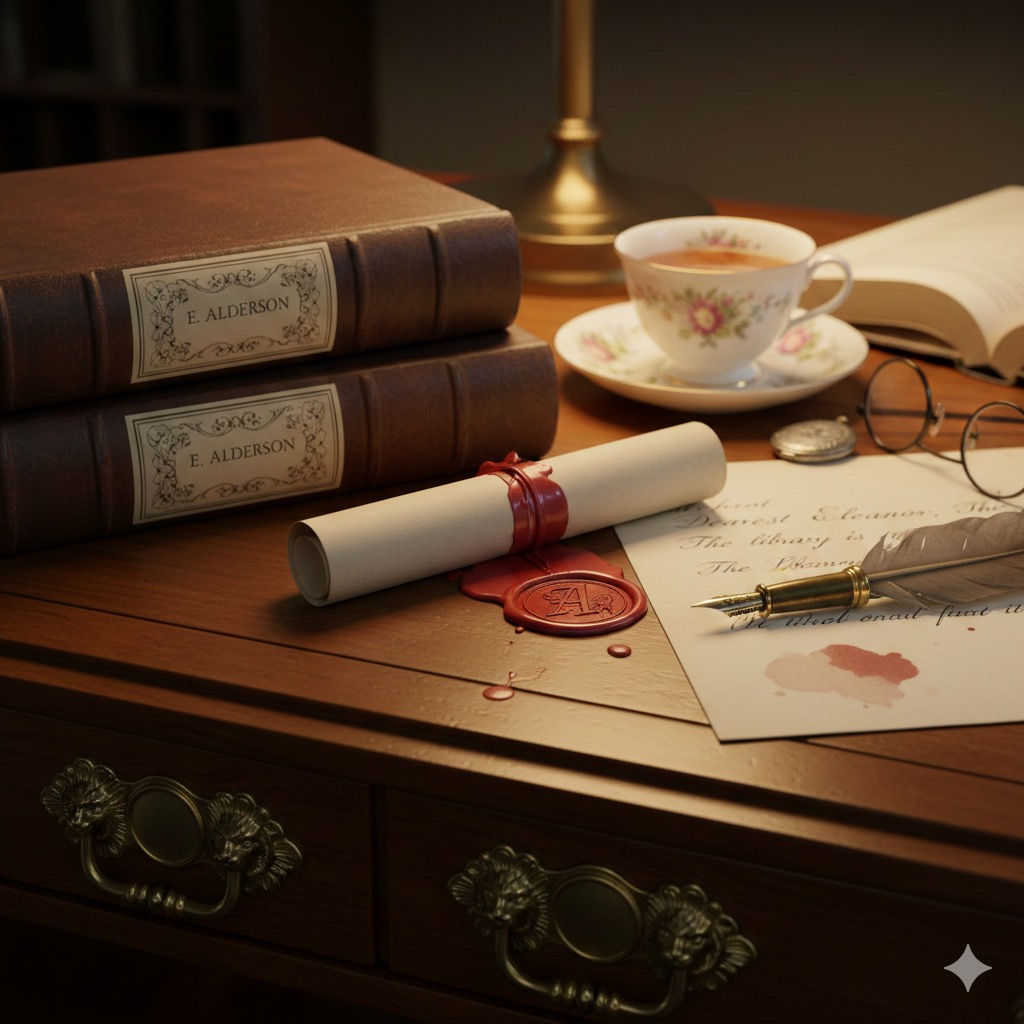
These finishing touches transform a nice room into a space that feels complete and intentional. Paying attention to these elements shows care and commitment to the aesthetic.
Hardware throughout your home should be cohesive and appropriate to the style. Swap out modern chrome or brushed nickel door handles, drawer pulls, and cabinet knobs for brass, bronze, or ceramic options in classical styles. These small changes make a surprising difference in the overall feel of your space. Antique shops and architectural salvage stores offer beautiful vintage hardware at reasonable prices.
Incorporate writing materials that honor the act of writing by hand. Keep nice stationery, quality pens, and a wax seal set on your desk or in a drawer. Actually use these items for letters, notes, and journaling. The physical act of handwriting connects you to centuries of scholars and writers and feels inherently Light Academia.
Display vintage or vintage-style writing implements. A collection of fountain pens in a brass holder, antique letter openers, or vintage ink bottles add character to your desk. These don’t have to be valuable antiques. Reproduction items or even well-chosen modern pieces that reference classical designs work perfectly.