
Discover creative ways to turn your unused attic space into a cozy, stylish bedroom that maximizes every inch
Your attic doesn’t have to be a dusty storage space filled with forgotten boxes and old furniture. With the right design approach, that overlooked area at the top of your house can become one of the most charming and peaceful bedrooms in your home. Attic bedrooms have a special quality that regular rooms simply can’t match. The sloped ceilings, unique angles, and tucked-away location create an intimate feeling that makes you want to curl up with a good book or sleep in on lazy Sunday mornings.
Many homeowners look at their attic and see only challenges—low ceilings, awkward corners, limited natural light, and strange architectural features. But these apparent obstacles are actually what give attic bedrooms their character and appeal. Those slanted walls that seem difficult to work with can frame a bed beautifully. The dormer windows that might feel small can flood the space with gorgeous natural light. The cozy, compact feeling that comes from lower ceilings creates a nest-like atmosphere that feels safe and comfortable.
Whether you’re working with a large, open attic space or a smaller converted area, the key is embracing what makes the space special rather than fighting against it. This means working with the angles instead of trying to hide them, choosing furniture that fits the proportions, and using design tricks that make the most of the available light and space. The seventeen ideas in this post will show you different approaches to attic bedroom design, from bohemian and relaxed to modern and sleek, from bright and airy to dark and moody. Each approach celebrates the unique qualities of attic spaces while creating a bedroom that feels complete, comfortable, and beautiful.
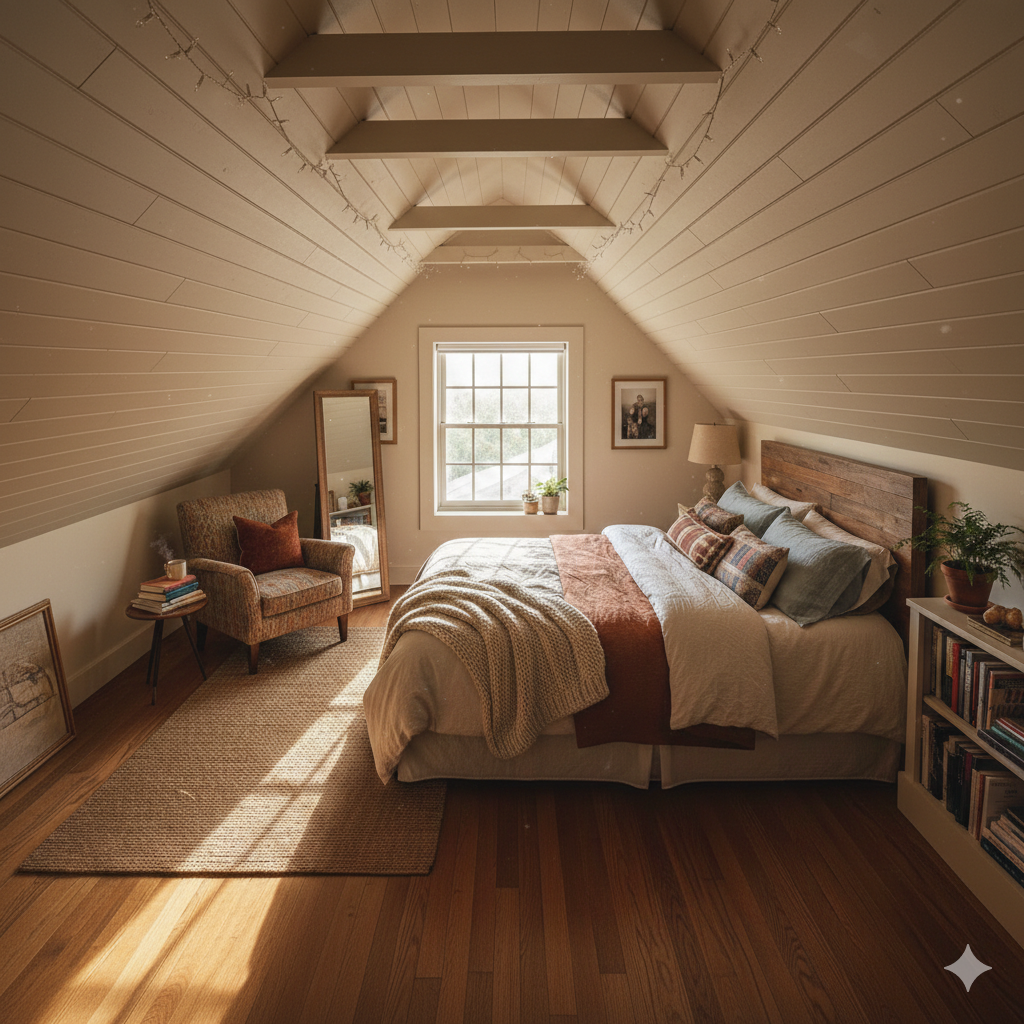
1. White style
There’s something magical about an all-white attic bedroom. When you paint everything from the sloped ceilings to the floorboards in crisp white, the space seems to expand and breathe. Light bounces around the room in a way that makes even smaller attics feel open and airy. This approach works especially well in attics where natural light might be limited, as the white surfaces help distribute whatever light comes in through the windows.
The beauty of the all-white sanctuary lies in its simplicity and the sense of calm it creates. When you step into a room dressed entirely in white, your mind can relax. There’s no visual clutter, no competing colors demanding attention. Just clean, peaceful space. This doesn’t mean the room has to feel cold or empty. The trick is layering different textures and materials all in the same white family. Think white linen bedding with a slight rumple to it, a chunky white knit throw draped across the foot of the bed, a white painted wooden chair with visible grain, and perhaps a white sheepskin rug on the floor.
To keep an all-white attic bedroom from feeling too stark, bring in natural materials that add warmth without introducing color. Light wood furniture pieces work beautifully, as do woven baskets for storage and natural fiber rugs. Plants add life and a touch of green without overwhelming the peaceful palette. You might place a fiddle leaf fig in one corner or hang some trailing pothos from a beam. The greenery looks even more vibrant against the white backdrop.
Lighting becomes especially important in an all-white space. During the day, sheer white curtains on dormer windows filter the light beautifully, creating a soft glow throughout the room. For evenings, layer your lighting with bedside lamps, perhaps a pendant light hanging from the highest point of the ceiling, and string lights draped along a beam for a touch of sparkle. The white surfaces will reflect all this light, creating a warm, inviting glow even after the sun goes down.
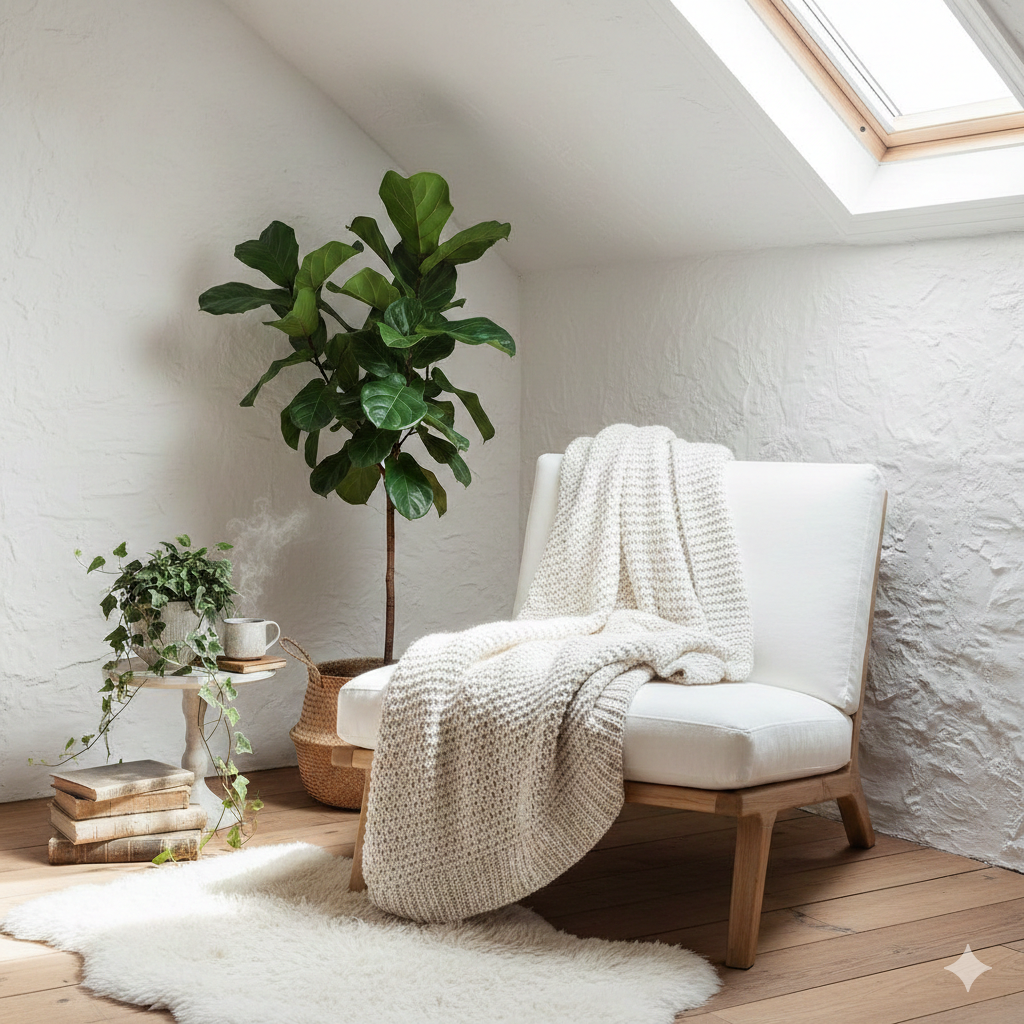
2. The Exposed Beam Character Room
Wooden beams running across your attic ceiling aren’t something to hide—they’re architectural features that add incredible character and visual interest to the space. Whether your beams are original old wood with decades of patina or newer lumber with clean lines, they create a focal point that gives the room personality and grounds the design. An attic bedroom with exposed beams immediately feels more substantial and rooted in the history of the house.
The key to making exposed beams work in your design is deciding how much you want them to stand out. You can stain them dark to create strong contrast against light walls, making them a dramatic feature that draws the eye upward. This approach works particularly well in larger attics where you want to add visual weight and make the space feel more grounded. Dark beams against white or cream walls create a classic look that feels both traditional and clean.
Alternatively, you might paint the beams the same color as the ceiling for a more subtle effect. This doesn’t hide them—you can still see their three-dimensional shape and the way they structure the space—but it creates a softer, more unified look. This works beautifully in smaller attics where dark beams might make the ceiling feel too heavy or in designs where you want a lighter, airier feeling overall.
Style the rest of the room to complement the beams rather than compete with them. If you’ve chosen to highlight dark beams, keep the walls light and the decor relatively simple so the architectural features remain the star. You might add a wrought iron bed frame or some vintage-style lighting fixtures that echo the traditional feeling of the beams. If your beams are lighter or more subtle, you have more freedom to play with pattern and color in your bedding, rugs, and accessories. Consider hanging pendant lights from the beams themselves to emphasize their structural role and add functional lighting where you need it.
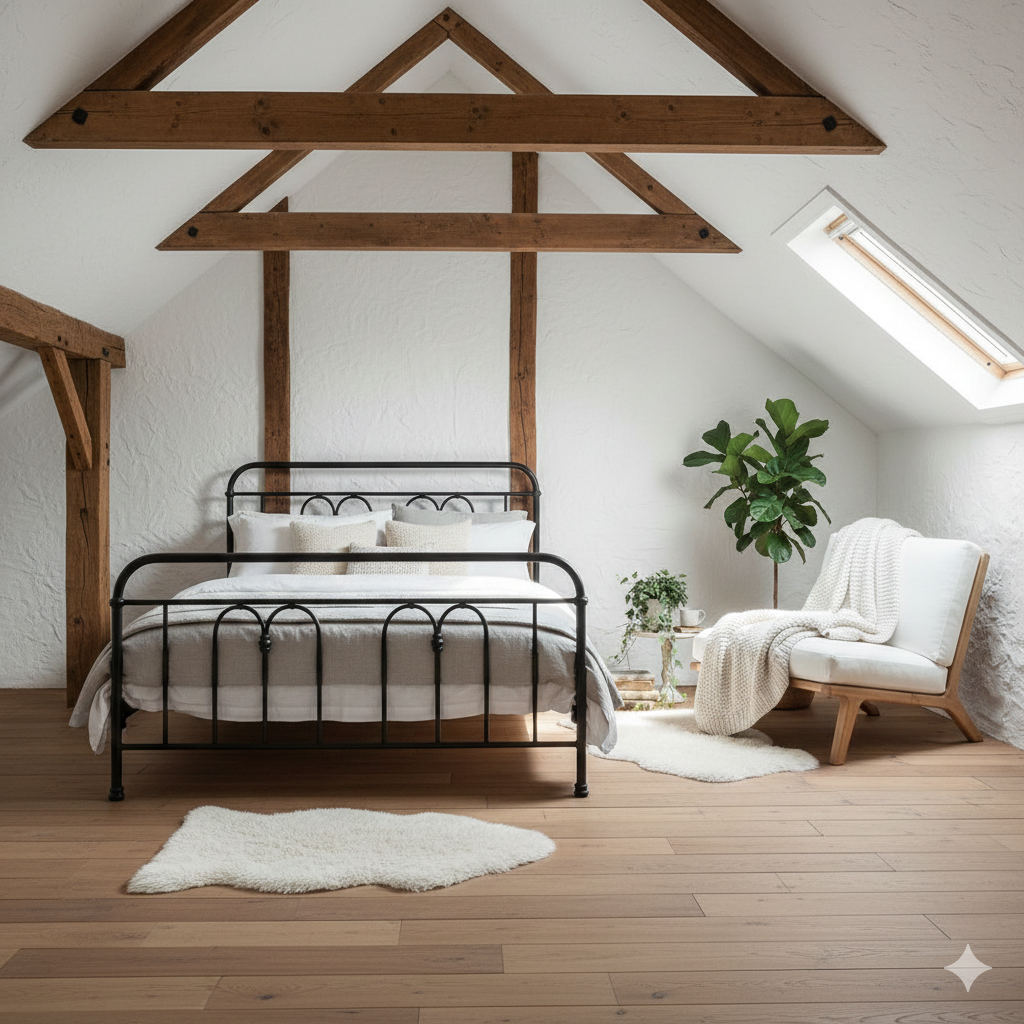
3. The Cozy Reading Nook Integration
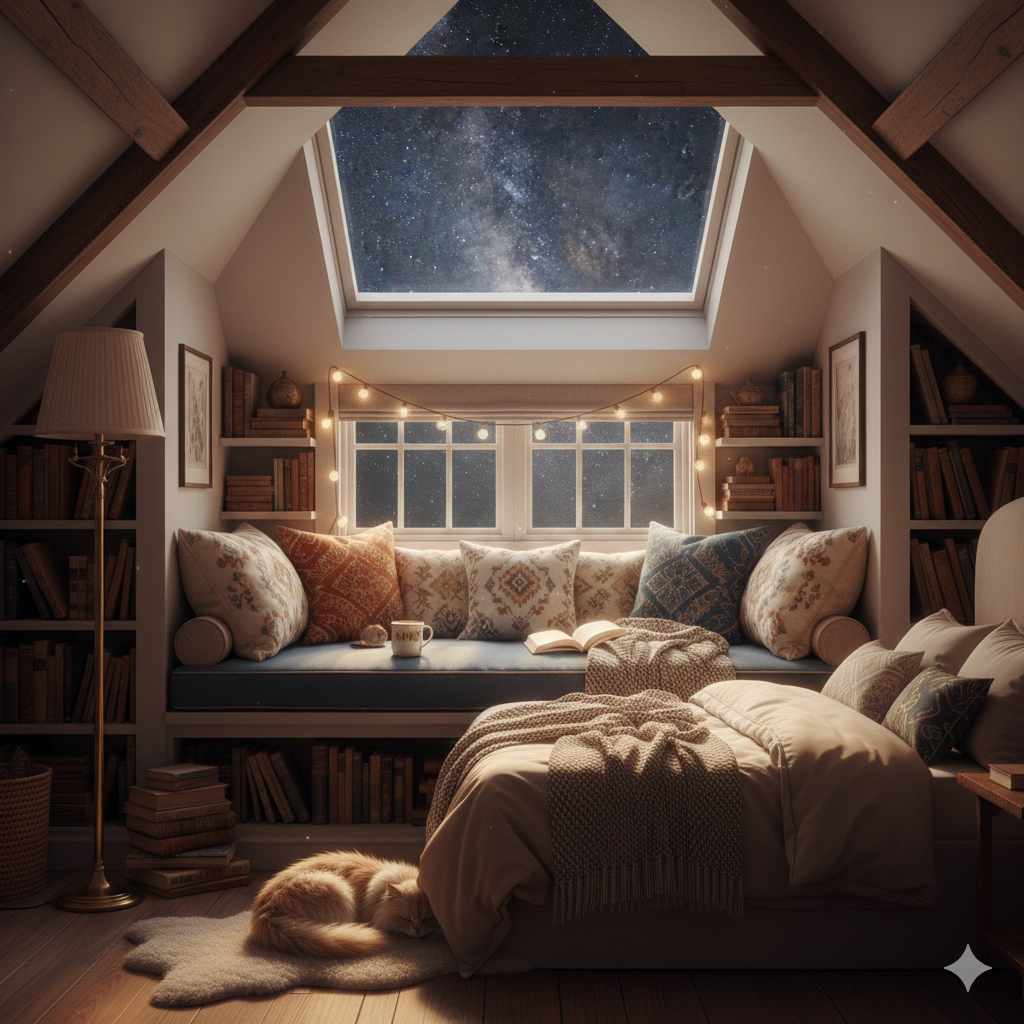
An attic bedroom offers a perfect opportunity to create a dedicated reading nook that feels separate from the sleeping area yet remains part of the same room. The unique architecture of attics often includes alcoves, spaces under sloped ceilings, or areas near dormer windows that are perfect for this purpose. A reading nook transforms your attic bedroom from just a place to sleep into a multi-functional retreat where you can escape with a book any time of day.
The ideal spot for a reading nook is usually near a window where natural light pours in during the day. A dormer window creates a natural alcove that’s perfect for this purpose. You might build a window seat with storage underneath, complete with comfortable cushions and throw pillows that invite you to settle in for hours. If your attic has a knee wall—that short wall where the sloped ceiling meets the floor—this creates another perfect reading nook opportunity. Place a comfortable armchair or small loveseat against the knee wall, add a floor lamp for evening reading, and perhaps a small side table for your tea or coffee.
Make your reading nook feel distinct from the sleeping area by using slightly different colors or textures. If your bedroom is decorated in soft grays and whites, your reading nook might introduce a deeper blue or green in the cushions and throw blankets. This subtle shift helps define the space without making the room feel chopped up or disconnected. Add personal touches that make the nook feel special—a small bookshelf within arm’s reach, a basket for extra blankets, artwork or photos on the adjacent wall.
Lighting is crucial for a functional reading nook. Natural light during the day is wonderful, but you need good task lighting for evening reading. A swing-arm wall lamp mounted beside the seating area works beautifully in attics where floor space is limited. Alternatively, a tall floor lamp positioned behind the chair provides excellent reading light without taking up much room. Consider adding a dimmer switch so you can adjust the lighting to match your mood and the time of day.
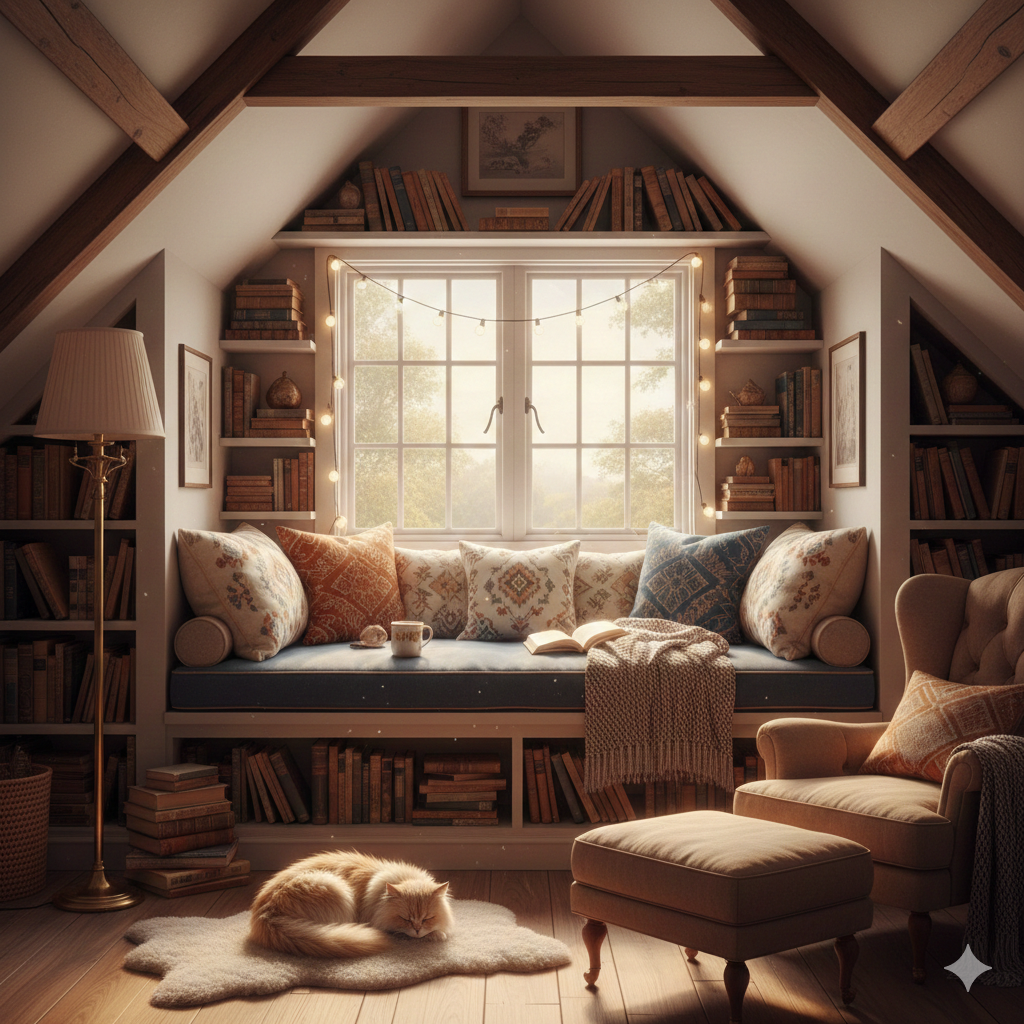
4. The Skylight Showcase
Installing skylights in your attic bedroom changes everything about the space. Suddenly, light floods in from above, making even compact attics feel open and connected to the outdoors. Waking up to natural light streaming down from the sky creates a different feeling than light coming through traditional windows—it’s more dramatic, more immersive, and more connected to the natural rhythm of the day. If your attic feels dark or closed in, skylights might be the single most impactful change you can make.
The placement of skylights matters tremendously. A skylight positioned directly over the bed lets you fall asleep looking at the stars and wake up to the morning sky. This creates an almost outdoor sleeping experience while you remain protected and comfortable indoors. Some people love this connection to the sky, while others prefer skylights positioned away from the bed to avoid direct light during sleep. Consider your own preferences and the orientation of your roof when planning skylight placement.
Design your bedroom to make the most of the skylight’s dramatic effect. Keep the area directly beneath relatively clear and uncluttered so the light can pour down unobstructed. Light colored walls and bedding help reflect the natural light throughout the space. You might position your bed to take advantage of the skylight, or create a seating area beneath it where you can sit and enjoy the view of the sky. During the day, the light creates beautiful shadows and patterns as the sun moves across the sky, adding constantly changing visual interest to the room.
Privacy and light control become important considerations with skylights. While they provide wonderful natural light, you may want the option to darken the room for sleeping in or to reduce heat on sunny summer days. Remote-controlled skylight shades offer the perfect solution, allowing you to adjust the light level with the push of a button. Some skylights come with built-in blinds that slide between the panes of glass, providing insulation and light control without the need for additional window treatments.
5. The Dark and Moody Escape
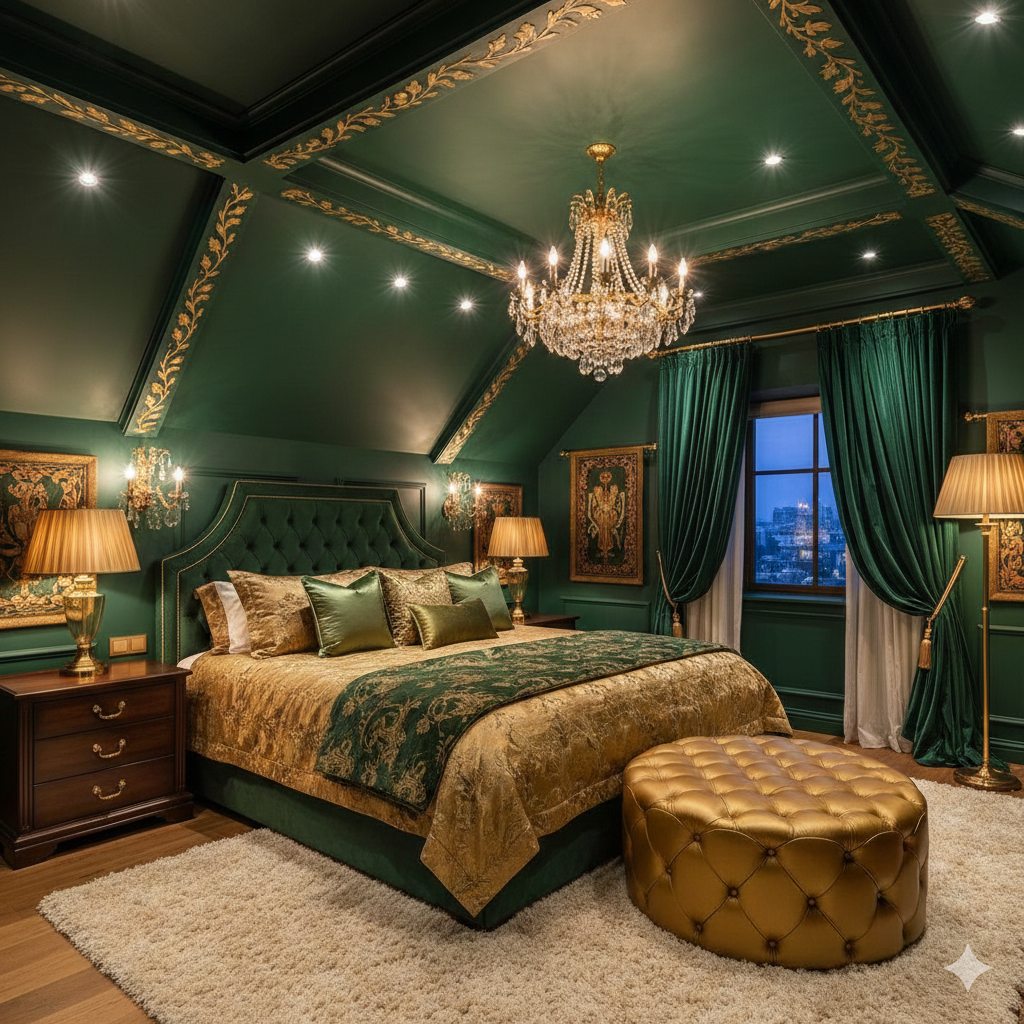
Not every attic bedroom needs to be light and bright. A dark, moody color scheme can transform your attic into a sophisticated retreat that feels cocoon-like and deeply relaxing. Deep colors on the walls and ceiling make the space feel more intimate and enclosed in the best possible way. When you walk into a dark attic bedroom at the end of a long day, it feels like stepping into a peaceful sanctuary away from the rest of the world.
Rich, deep colors work surprisingly well in attics, even those with limited natural light. Navy blue, charcoal gray, deep green, or even black can create a dramatic backdrop that makes the room feel intentional and designed rather than dark and depressing. The key is choosing the right shade and balancing it with proper lighting. Paint both the walls and the sloped ceiling in your chosen dark color for a complete, immersive effect. This unified approach actually makes the space feel larger rather than smaller because the boundaries of the room become less defined in the deep color.
Layer in plenty of lighting to keep a dark attic bedroom from feeling cave-like. You’ll need more light sources than you might in a lighter room, but the effect is worth it. Warm-toned light bulbs (around 2700K) create a cozy glow against dark walls that feels inviting rather than harsh. Use bedside lamps, wall sconces, perhaps a pendant light, and definitely some kind of ambient lighting like LED strips behind the headboard or along beams. The contrast between the dark surfaces and the warm light creates depth and atmosphere that makes the room feel luxurious.
Bring in texture and metallic accents to add visual interest to dark walls. Velvet curtains, a faux fur throw, linen bedding, and knit pillows all catch the light differently and create layers of richness. Brass, gold, or copper light fixtures and hardware glow beautifully against dark backgrounds. A large mirror can help bounce light around the room while adding a decorative element. Don’t be afraid to mix different dark shades—charcoal walls with black accents and navy bedding create subtle depth that keeps the room from feeling flat.
6. The Bohemian style
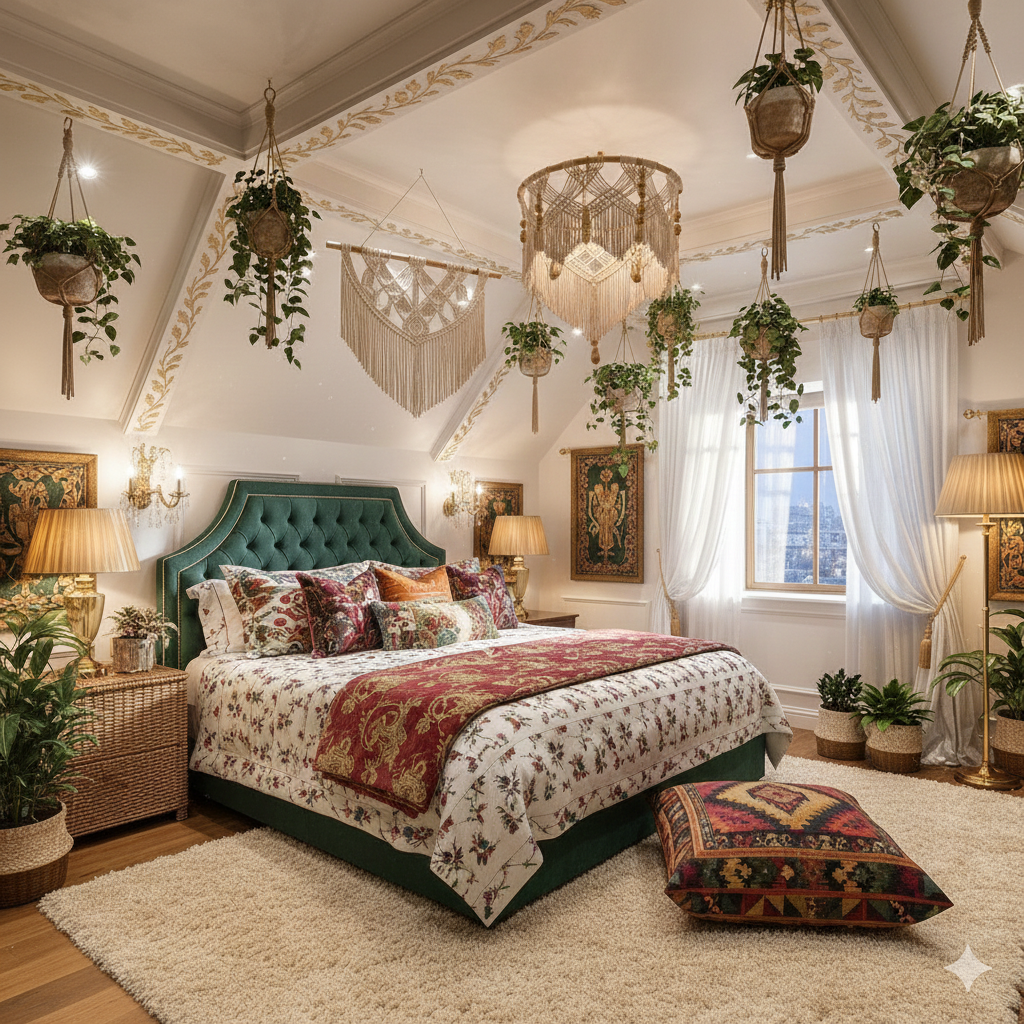
An attic bedroom lends itself beautifully to bohemian style with its natural quirkiness and unique angles. The boho approach embraces the unconventional nature of attic spaces rather than trying to make them conform to standard room layouts. This style is all about creating a space that feels collected, personal, and relaxed. Think layers of textiles, mixed patterns, natural materials, and plenty of plants creating a lived-in, welcoming vibe that celebrates comfort and self-expression.
Start with a neutral base on the walls—white, cream, or soft beige—then layer in color and pattern through textiles and accessories. A bohemian attic bedroom might feature a colorful vintage rug on the floor, macramé wall hangings on the sloped ceiling, patterned throw pillows and blankets on the bed, and sheer curtains with embroidered details at the windows. The beauty of boho style is that nothing has to match perfectly. In fact, the slightly mismatched quality is part of the appeal. Your bedding might mix floral patterns with geometric prints, while your throw pillows combine different textures like velvet, cotton, and woven materials.
Plants play a starring role in bohemian design, and attics offer interesting opportunities for plant display. Hang trailing plants from exposed beams where they can cascade down beautifully. Place potted plants on shelves, dressers, and window sills. The greenery softens the lines of the room and adds life and color. If your attic gets good natural light, take full advantage by creating a little indoor jungle. Even if light is limited, choose low-light plants like pothos or snake plants that will thrive in those conditions.
Incorporate found objects, vintage pieces, and items from your travels to give the room personality. A bohemian attic bedroom should tell a story about who you are and what you love. Maybe you hang a vintage kilim rug on the wall, display a collection of ceramic vases on a shelf, or use an old trunk as a bedside table. String lights add magical ambiance—drape them along beams, around windows, or above the bed for a soft, twinkling glow. The overall effect should feel effortless and inviting, like the room evolved organically over time rather than being designed all at once.
7. minimal style
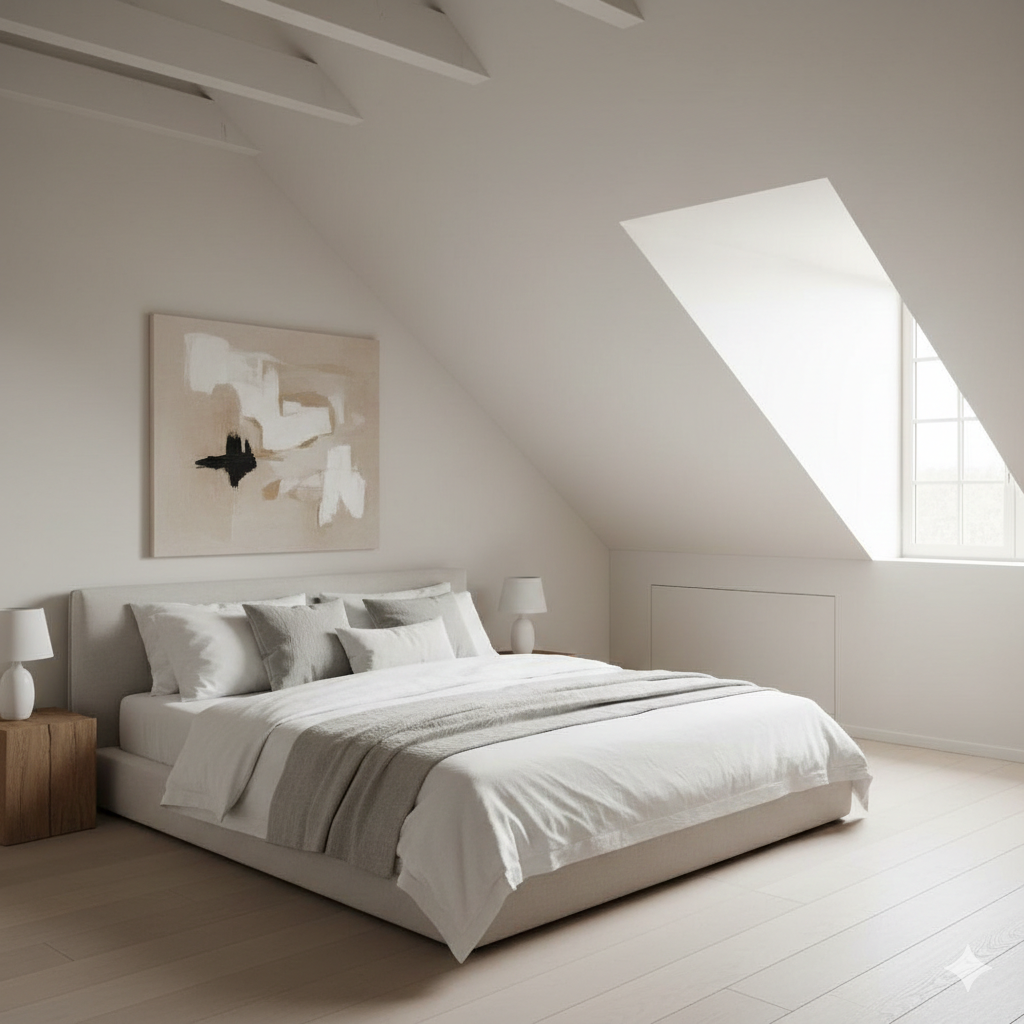
A minimalist approach to attic bedroom design creates a space that feels calm, uncluttered, and intentional. This style works particularly well in smaller attics where too much furniture or decoration might make the space feel cramped. The minimalist philosophy is about keeping only what serves a purpose or brings you joy, which results in a bedroom that feels spacious and peaceful even when the actual square footage is limited. Every item in the room earns its place by being either functional or beautiful, and ideally both.
Start with a simple color palette—usually neutrals like white, gray, beige, or black, perhaps with one accent color used sparingly. Paint the walls and sloped ceiling in these colors to create a cohesive, seamless look. The furniture should be clean-lined and purposeful. A platform bed without a bulky headboard works well in attics where ceiling height might be limited. Choose a few key pieces—bed, small dresser, simple bedside table—rather than filling every corner with furniture. Built-in storage along knee walls keeps belongings hidden and maintains the clean aesthetic.
In a minimalist attic bedroom, quality matters more than quantity. Invest in beautiful bedding in natural materials like linen or organic cotton. Choose one or two pieces of artwork that speak to you rather than covering the walls. Select lighting fixtures that are sculptural and interesting enough to serve as decor while providing necessary light. A single statement piece—maybe a beautiful chair, an interesting pendant light, or a piece of artwork—can anchor the room without overwhelming it.
Keep surfaces clear and clutter-free to maintain the minimalist aesthetic. This requires good hidden storage solutions. Drawers under the bed, cabinets built into knee walls, and closets with organized systems keep everything you need accessible but out of sight. The bare surfaces and clean lines make the unique architecture of the attic itself the star of the space. You notice the angles of the ceiling, the quality of the light coming through the windows, and the proportions of the room when they’re not competing with visual clutter.
8. vintage room
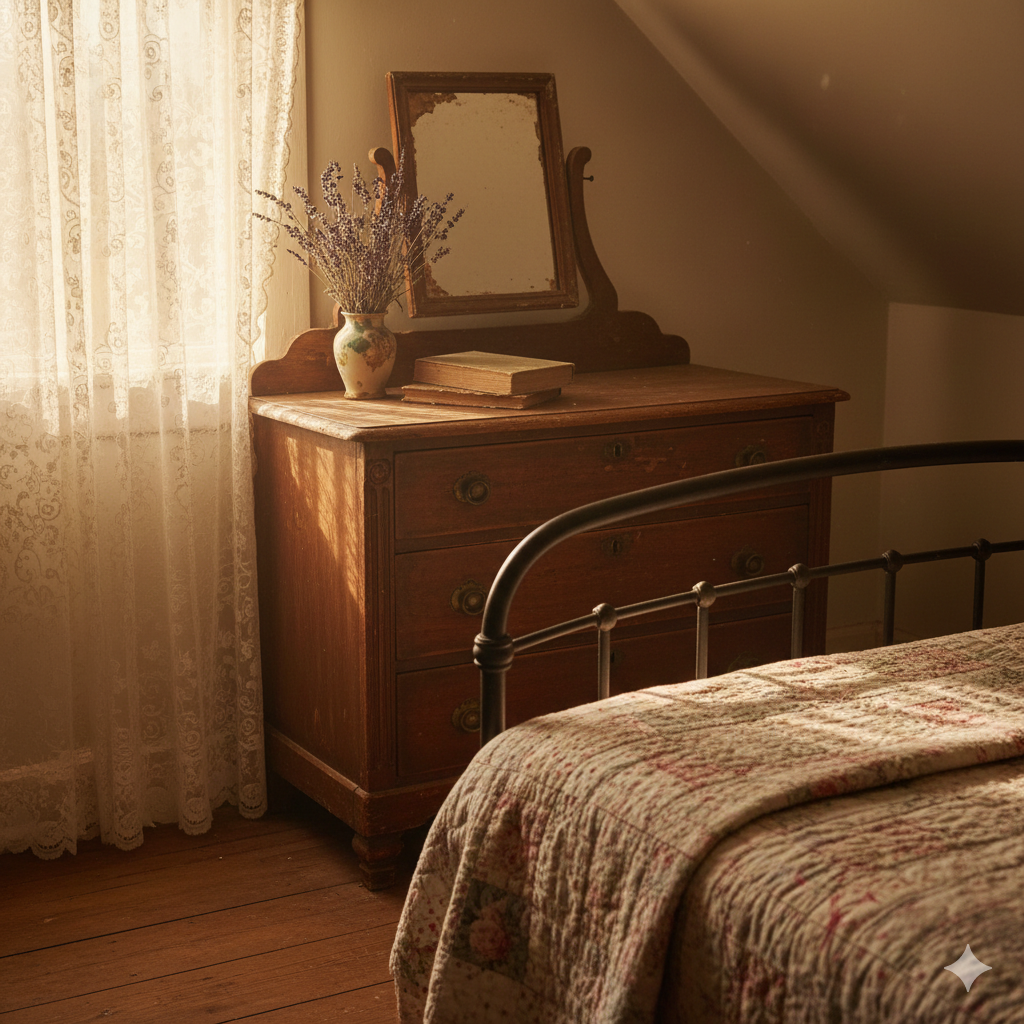
Attics and vintage style seem made for each other. The old-fashioned charm of attic architecture—exposed beams, sloped ceilings, dormer windows—provides the perfect backdrop for vintage and antique furnishings. A vintage-styled attic bedroom feels like it belongs in another era, creating a romantic, nostalgic atmosphere that makes the space feel special and unique. This approach works whether your house is genuinely old or newly built, as the vintage style brings history and character regardless of the actual age of the structure.
Start with vintage or antique furniture pieces that have real history and patina. An iron bed frame with ornate details, a weathered wooden dresser, a vintage vanity, or an antique trunk at the foot of the bed all contribute to the vintage aesthetic. These don’t have to match perfectly—in fact, pieces from different eras and styles mixed together create a more authentic, collected-over-time feeling. Flea markets, antique stores, and estate sales are treasure troves for these kinds of finds. Even if you can’t find genuine antiques, reproduction pieces with vintage styling work beautifully.
Layer in vintage textiles to complete the look. A vintage quilt or chenille bedspread adds instant charm. Lace curtains at the windows filter light beautifully while adding romantic detail. Vintage-style floral wallpaper on one wall or under the eaves creates a focal point without overwhelming the space. Layered rugs—perhaps a faded Persian rug over painted floorboards—add color and warmth while contributing to the vintage vibe.
Accessories and lighting complete the vintage atmosphere. Old picture frames with family photos or vintage prints, ceramic pitchers used as vases, vintage books stacked on bedside tables, and old suitcases used for storage all add authentic detail. Choose lighting fixtures with vintage appeal—a crystal chandelier hanging from the highest point of the ceiling, vintage-style wall sconces, or antique lamps with fabric shades. The overall effect should feel romantic and collected, like a room with stories to tell.
9. The Scandinavian Simplicity Space
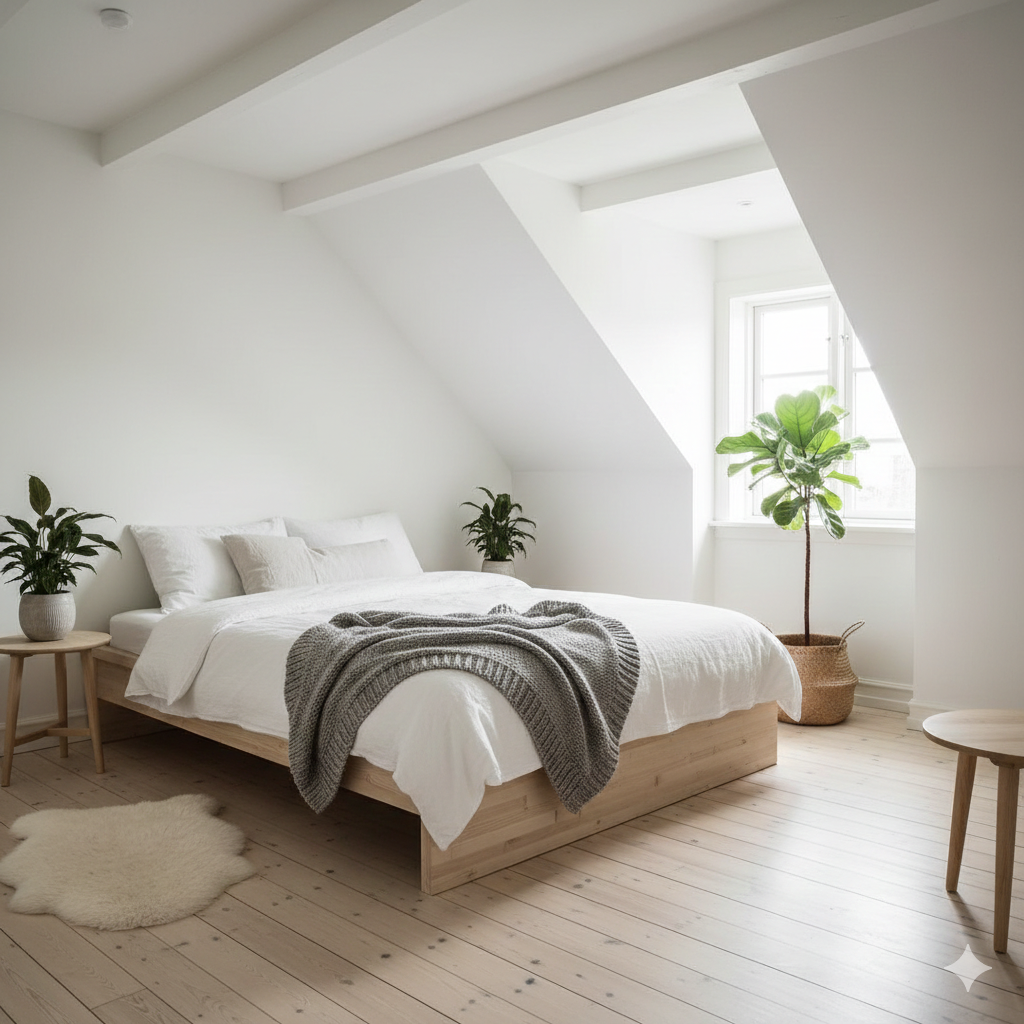
Scandinavian design feels perfectly at home in attic bedrooms. This style emphasizes simplicity, functionality, and connection to nature—all principles that work beautifully with the cozy, intimate quality of attic spaces. Scandinavian design is all about creating rooms that feel light, airy, and calm while remaining warm and inviting. The approach is practical and uncluttered but never cold or stark, making it ideal for bedrooms where you want to feel both relaxed and comfortable.
The color palette in a Scandinavian attic bedroom centers on white and light neutrals, with natural wood tones adding warmth. Paint the walls and ceiling white or soft gray to maximize light and create a bright, open feeling. Choose furniture in light woods like birch, ash, or pine. The natural wood grain adds texture and warmth while keeping the room feeling light. A simple wood-frame bed, matching nightstands, and perhaps a wooden chair or small bench provide all the furniture you need without cluttering the space.
Texture becomes important in Scandinavian design because the color palette is so neutral. Layer different textures to keep the room from feeling flat or boring. A chunky knit throw in cream or gray draped across the bed, a sheepskin rug on the floor, linen curtains at the windows, and perhaps a woven basket for storage all add tactile interest within the neutral palette. The play of different textures catches the light and creates subtle visual variety that makes the room feel rich despite its simplicity.
Bring in touches of black for contrast and definition. Black picture frames, black lamp bases, or black hardware on furniture add just enough contrast to make the room feel crisp and designed rather than washed out. Add plants for a pop of green—potted plants on the nightstand or windowsill connect the space to nature, which is an important element of Scandinavian design. Keep accessories minimal but meaningful. A few carefully chosen pieces—a ceramic vase, a simple print on the wall, a beautiful ceramic bowl—add personality without clutter.
10. The Industrial Edge Bedroom
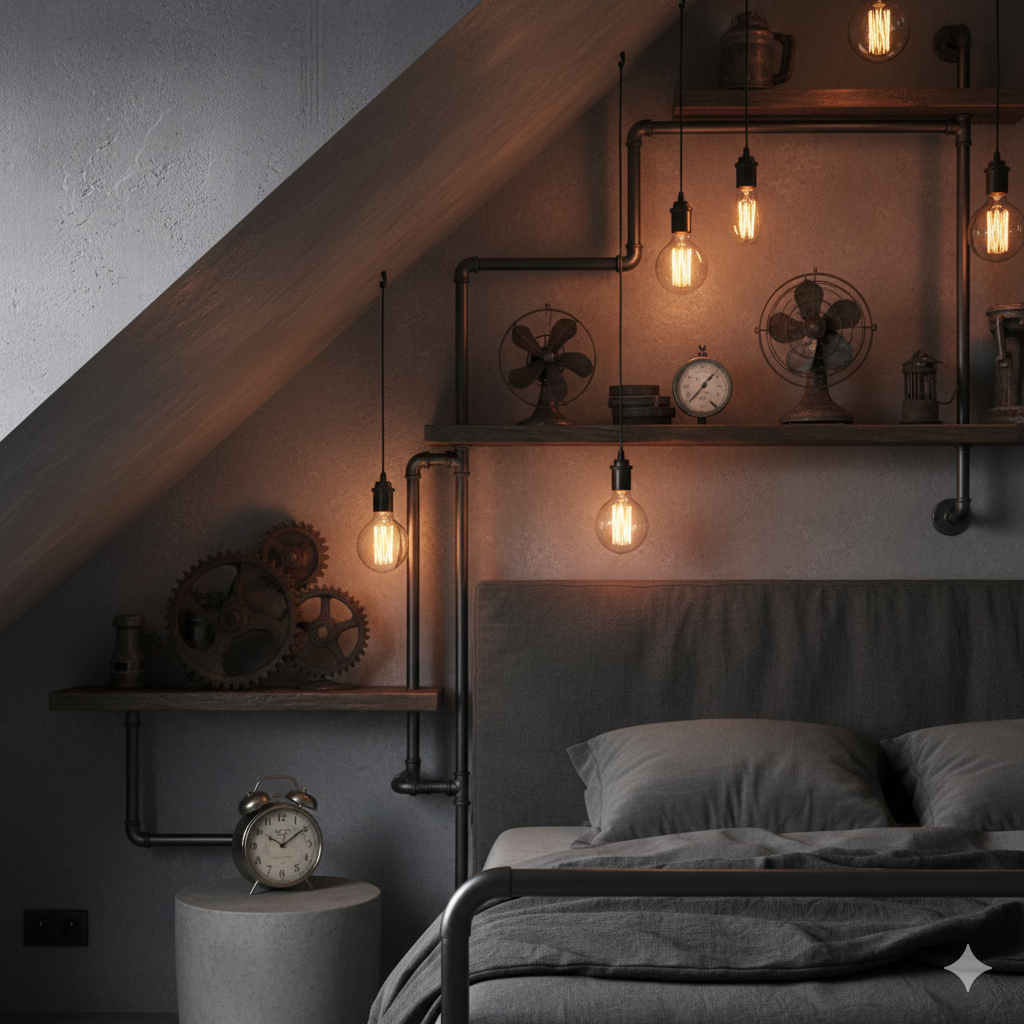
Industrial style might seem like an unlikely choice for a cozy attic bedroom, but the combination creates an interesting contrast that works surprisingly well. The rough, urban aesthetic of industrial design plays beautifully against the intimate, tucked-away feeling of an attic space. Exposed materials, metal accents, and raw textures bring edge and character to the room while the attic setting keeps everything feeling livable and comfortable rather than cold or harsh.
Embrace exposed elements that fit the industrial aesthetic. If your attic has exposed beams, leave them natural or stain them dark rather than painting them. Exposed brick walls, if you’re lucky enough to have them, should definitely be left visible. Even painted brick adds great texture. If your attic doesn’t have these features naturally, you can create industrial character through your choices in materials and finishes. Consider concrete-look paint effects, metal light fixtures, iron pipe shelving, or a metal bed frame.
The color palette for industrial design typically includes grays, blacks, browns, and whites—colors that mimic concrete, metal, brick, and wood. Paint the walls in shades of gray or leave them in their original finish if the material is appropriate. The bed becomes a focal point—a metal platform bed or one with an iron pipe frame fits the industrial aesthetic perfectly. Keep bedding simple in white, gray, or black, perhaps with a leather or canvas throw adding texture.
Lighting plays a crucial role in industrial design. Look for fixtures that feel utilitarian or workshop-inspired—metal pendant lights with Edison bulbs, articulated wall lamps, metal cage lights, or track lighting running along exposed beams. These fixtures are both functional and decorative, serving as sculptural elements while providing necessary light. Add vintage or vintage-style industrial pieces like metal lockers for storage, a factory cart as a bedside table, or an old workbench as a desk. These pieces add authentic character and provide practical storage in a style that fits the aesthetic.
11. The Soft Pastel
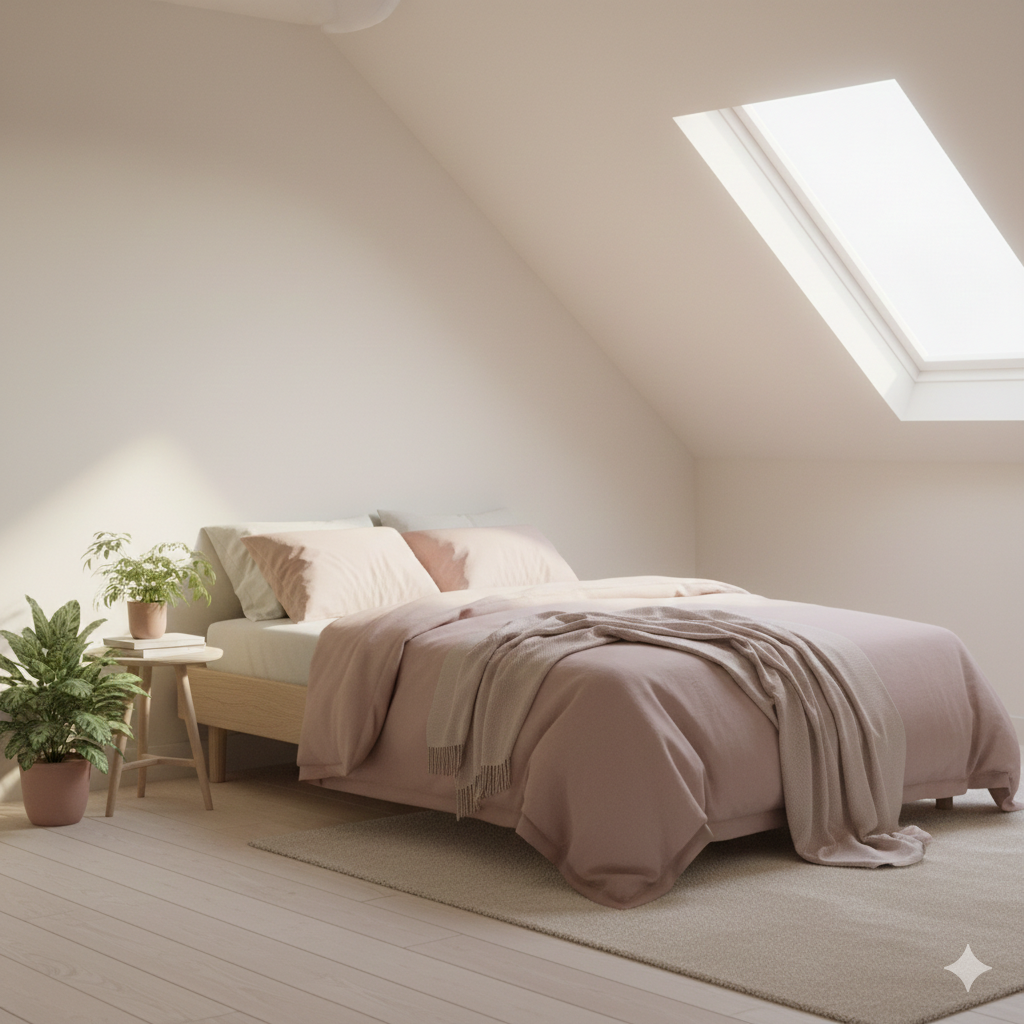
Pastel colors create a dreamy, gentle atmosphere in an attic bedroom that feels both youthful and sophisticated. Soft pinks, blues, lavenders, mint greens, and peaches bring color to the space without overwhelming it. These gentle shades work particularly well in attics because they maintain a light, airy feeling while adding personality and warmth. A pastel palette creates a bedroom that feels optimistic and cheerful, a space that lifts your mood every time you walk in.
Choose one or two pastel shades as your main colors rather than using every pastel in the rainbow. Too many competing colors can make the space feel childish or chaotic. You might pair soft pink with cream and white, or combine dusty blue with soft gray and touches of pale yellow. Paint one wall or the sloped ceiling in your chosen pastel while keeping other surfaces neutral. This adds color while maintaining an overall light feeling. Alternatively, keep walls neutral and bring in pastels through textiles, furniture, and accessories for a softer approach.
Layer different shades and tints of your chosen color to create depth and interest. If you’re working with pink, for example, combine blush, dusty rose, and pale coral. These similar shades create a cohesive look while adding variety. Mix pastels with natural materials like light wood, wicker, and linen to keep the room from feeling too sweet or artificial. A light wood bed frame, woven baskets for storage, and linen curtains in white or cream ground the pastels and add organic warmth.
Metallic accents in gold, brass, or rose gold complement pastel palettes beautifully. A brass pendant light, gold-framed mirror, or rose gold drawer pulls add a touch of glamour and sophistication to the soft colors. Keep patterns simple and scaled appropriately for the space—small florals, subtle stripes, or geometric prints in your pastel palette work well. The overall effect should feel fresh and modern rather than overly precious, creating a bedroom that’s both pretty and grown-up.
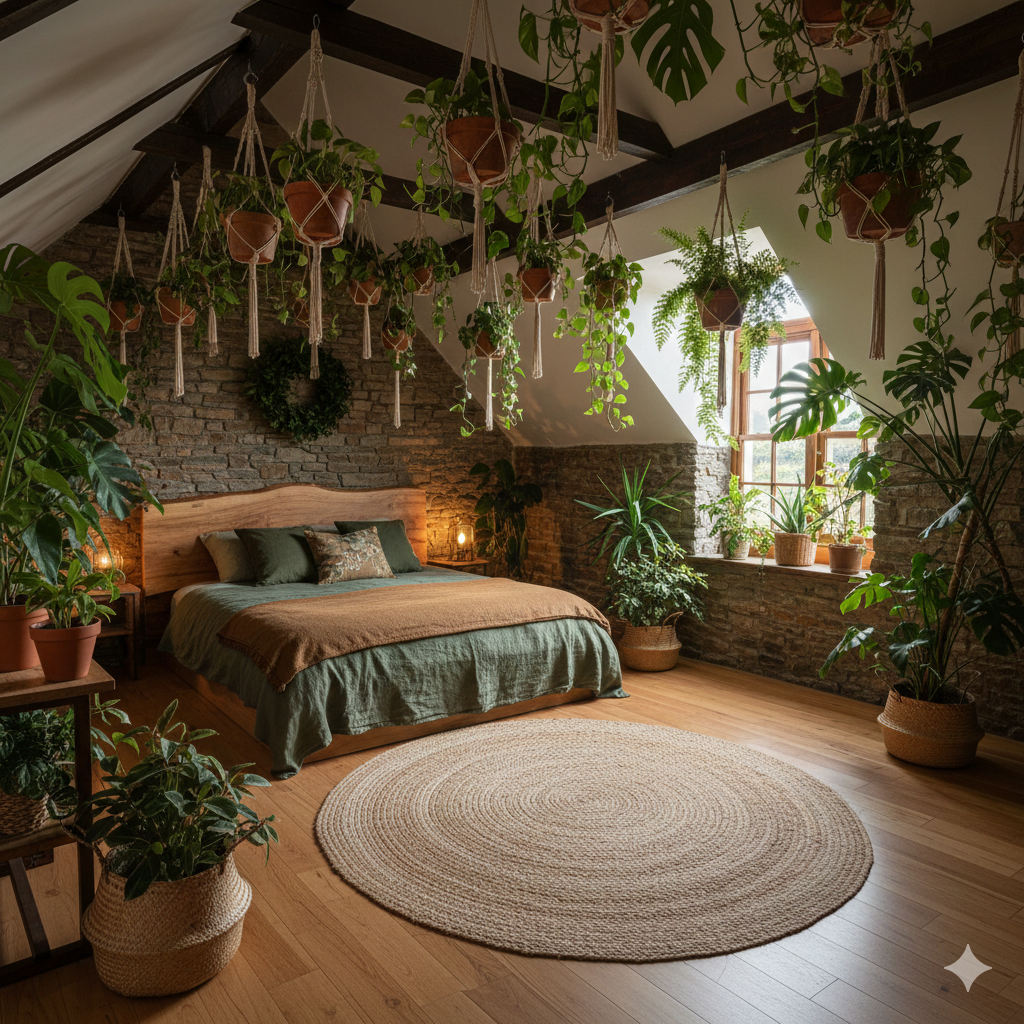
12. Nature connected style
Designing a connection to nature transforms an attic bedroom into a peaceful retreat that feels grounded and restorative. This approach brings the outdoors in through materials, colors, and living elements, creating a space that helps you feel more relaxed and connected to the natural world. Even though you’re at the top of your house, a nature-focused design makes the room feel rooted and organic rather than disconnected from the earth.
Start with a palette inspired by nature—greens, browns, creams, and earthy terracottas. These colors create a calm, organic feeling that mimics being outdoors. You might paint the walls in a soft sage green or warm beige, or keep them neutral and bring in color through textiles and accessories. Natural wood furniture in medium to dark tones adds warmth and substance. Look for pieces with visible wood grain and natural edges that celebrate the material’s organic origins. A live-edge wooden shelf or table adds particularly strong natural character.
Fill the space with plants to bring literal nature into the room. If your attic has good natural light, you can create a mini indoor jungle with a variety of plants at different heights. Hang trailing plants from beams, place potted plants on shelves and surfaces, and perhaps position a larger floor plant in a corner. Even attics with less natural light can support shade-loving plants like pothos, snake plants, or ZZ plants. The plants clean the air, add life and movement to the space, and create that crucial connection to the living world.
Bring in natural materials throughout the room. A jute or sisal rug grounds the space with organic texture. Woven baskets provide storage while adding natural detail. Cotton or linen bedding in neutral or nature-inspired colors feels good against the skin and looks beautifully rumpled and relaxed. Stone or ceramic accessories—perhaps a lamp base, vase, or sculpture—add earthy weight. Consider natural artwork like botanical prints or landscape photography that reinforces the connection to nature. The overall effect should feel organic and peaceful, like a quiet spot in a forest where you can rest and recharge.
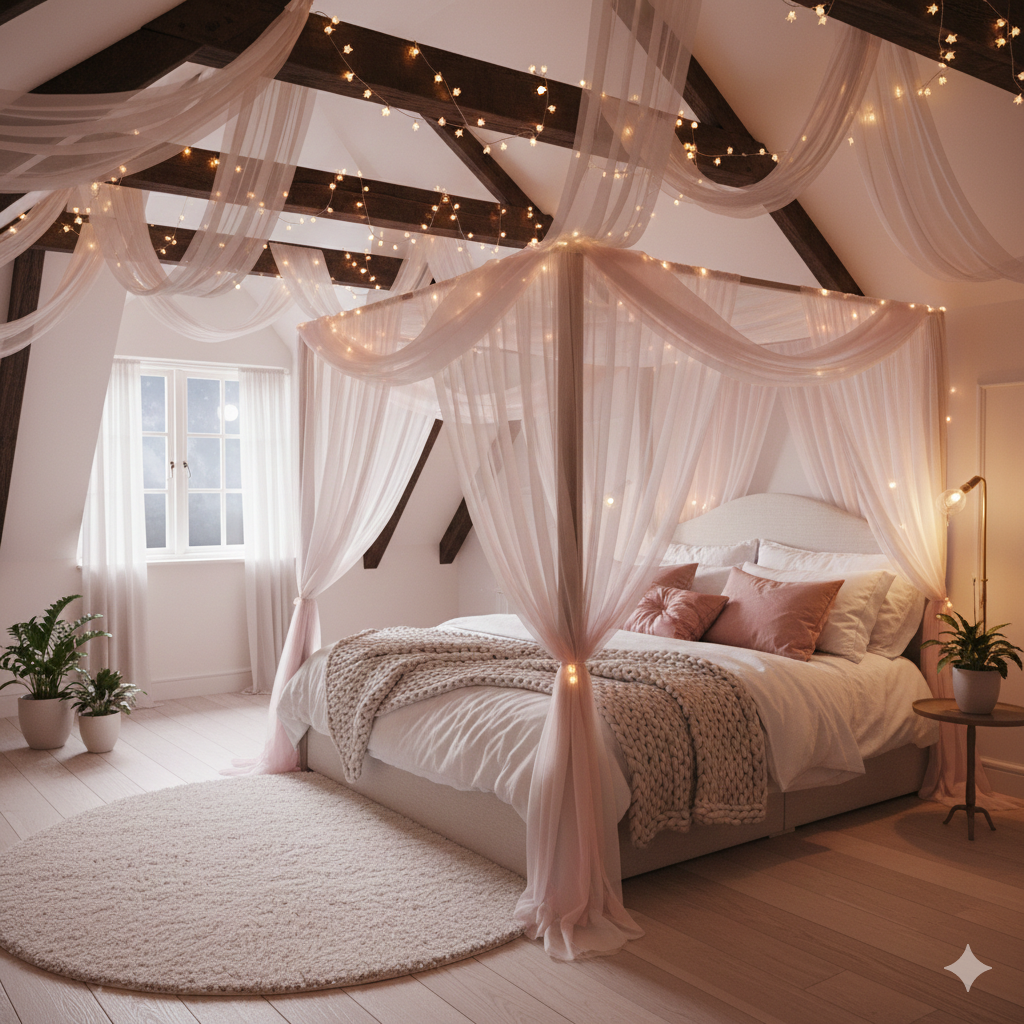
13. The Romantic Canopy Escape
A canopy bed in an attic bedroom creates an intensely romantic, dreamy atmosphere. The combination of the canopy’s soft drapery with the angled ceiling overhead creates layers of intimacy and enclosure that make the space feel like a secret hideaway. This approach works especially well in attics with higher ceilings where you have room for the vertical drama of a canopy, but even in lower-ceilinged spaces, a half-canopy or draped fabric can create a similar romantic effect.
If ceiling height allows, choose a four-poster bed with fabric draping down from the frame. Sheer white curtains create a light, airy feel while still defining the sleeping space. You might tie the curtains back during the day and close them at night for an enclosed, cocoon-like feeling. Heavier fabrics like velvet or thick linen create more drama and privacy. The color of the canopy fabric sets the tone for the whole room—white feels fresh and classic, blush pink adds feminine romance, deep blue or emerald green creates a more dramatic, jewel-box effect.
In attics with lower ceilings, you can still create canopy effects. Hang fabric from ceiling beams to drape over the bed, or attach curtain rods to the walls on either side of the bed and hang fabric from them to frame the sleeping area. A half-canopy attached to the wall behind the headboard and draping forward creates a similar effect without requiring as much overhead clearance. Even simple string lights woven through sheer fabric create a canopy-like feeling with magical, twinkling light.
Style the rest of the room to match the romantic feeling of the canopy. Soft, luxurious bedding with lots of pillows invites you to sink in and stay awhile. A vintage chandelier or pretty pendant light adds elegance. Soft colors on the walls—whites, creams, soft grays, or pale pastels—keep the focus on the canopy while maintaining the romantic atmosphere. Add vintage or feminine touches like a vanity with a mirror, fresh flowers in a vase, or vintage-style wall sconces. The overall effect should feel like stepping into a romantic daydream, a space designed purely for rest and dreaming.
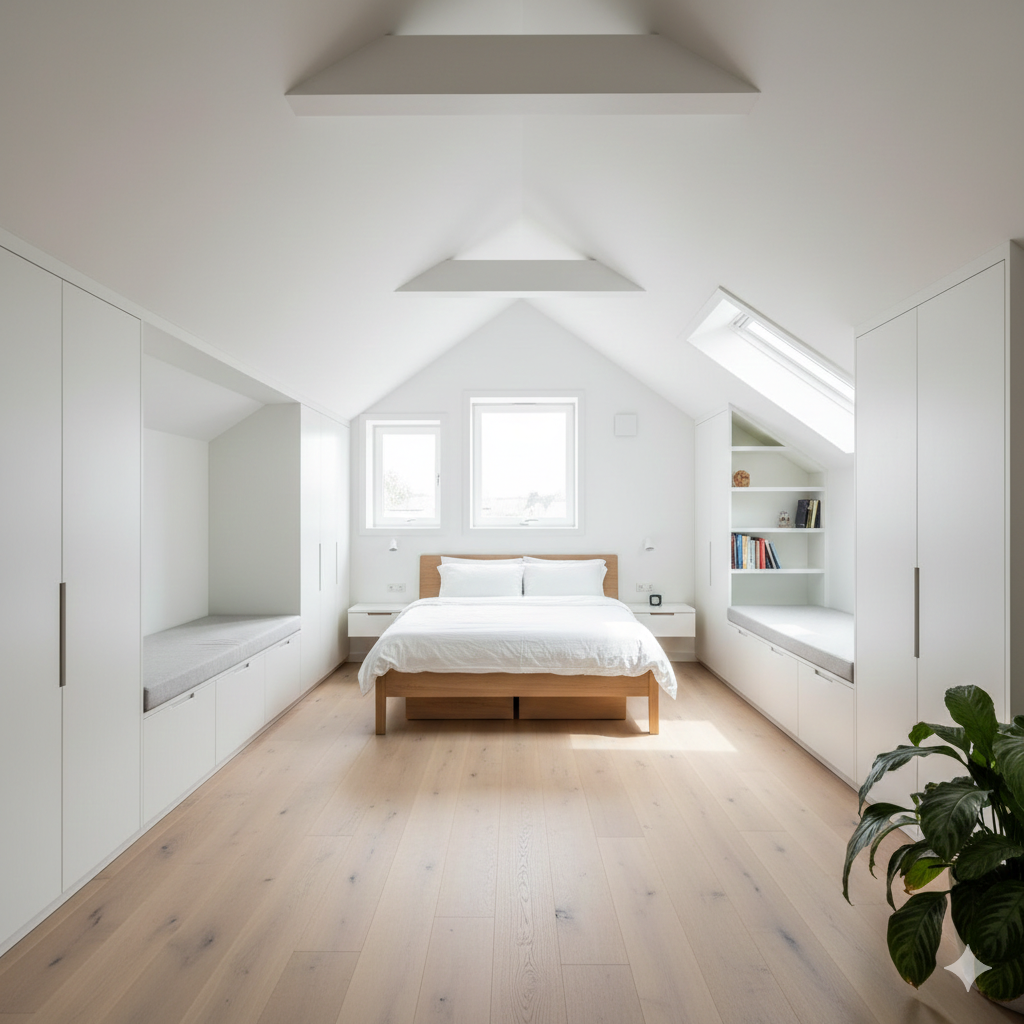
14. The Built-In Storage Solution Room
Attics present unique storage challenges and opportunities. The sloped ceilings and knee walls that make standard furniture placement difficult are actually perfect for custom built-in storage that maximizes every inch of available space. An attic bedroom designed around smart built-ins becomes incredibly functional while maintaining a clean, uncluttered appearance. The storage solutions become part of the architecture itself, creating a room that feels custom-designed for the space rather than forcing regular furniture into an irregular room.
Built-in wardrobes along knee walls take advantage of space that’s often wasted or difficult to use. These can be as simple as closets with doors that follow the slope of the ceiling, or as elaborate as custom fitted units with drawers, shelves, and hanging space designed specifically for your belongings. Painting the built-ins the same color as the walls makes them recede visually, keeping the room feeling spacious. Alternatively, making them a feature with a contrasting color or interesting hardware adds architectural interest.
Window seats with storage underneath solve multiple problems at once. They provide comfortable seating, take advantage of the natural light from dormer windows, and offer substantial storage inside the bench. Add cushions and pillows to make the window seat irresistible for reading or daydreaming. Built-in shelving on the walls or into the gables creates display space and book storage without taking up floor space. Under-bed storage drawers or a bed built on a platform with storage underneath keeps seasonal items or extra bedding accessible but out of sight.
The beauty of a built-in storage solution approach is that it makes the room look cleaner and more spacious than traditional furniture would. Without bulky dressers and wardrobes eating up floor space, the room feels larger and the unique architecture becomes more apparent. You can focus on making the bed beautiful and creating perhaps one sitting area without worrying about fitting in lots of furniture. Everything has its place, hidden away in the custom storage solutions that work with the attic’s unique angles rather than fighting against them.
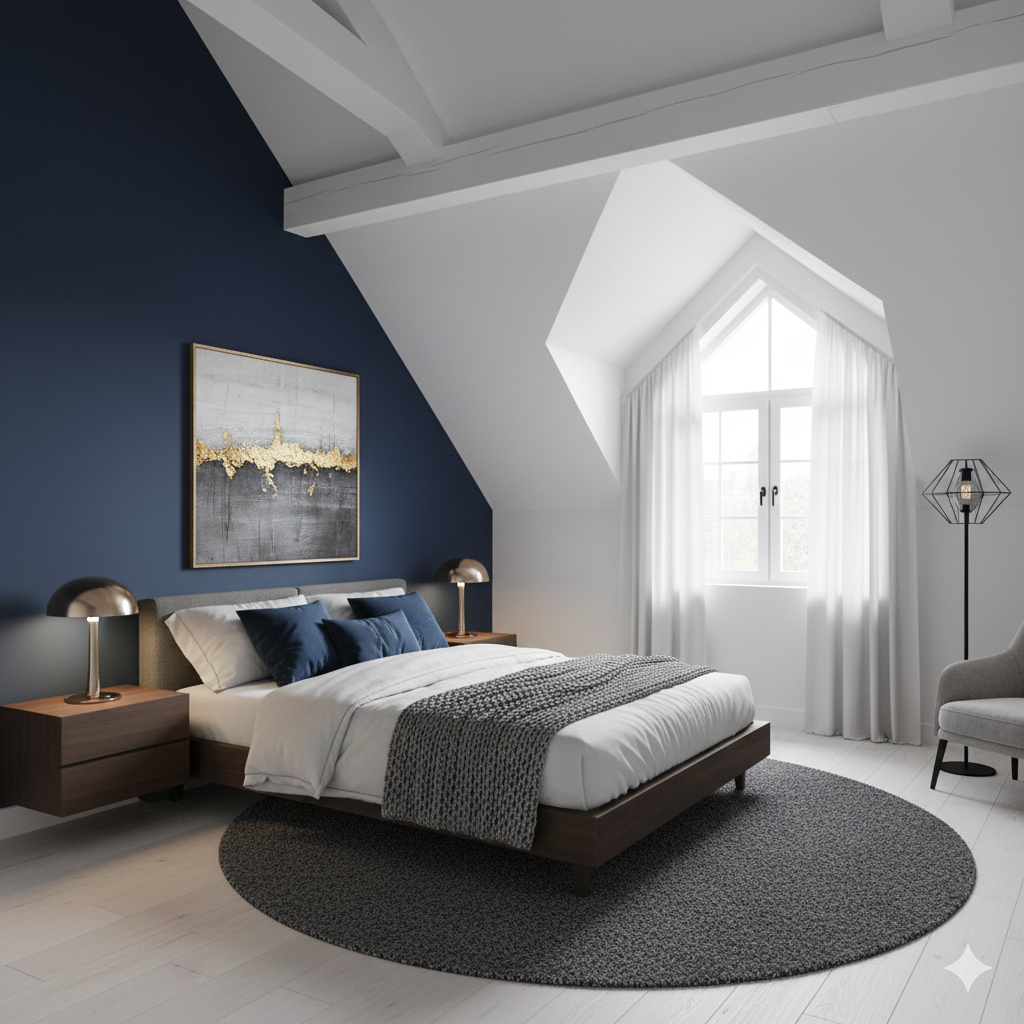
15. The Bold Accent Wall Statement
A single bold accent wall can transform an attic bedroom from ordinary to extraordinary without overwhelming the space. This approach allows you to introduce dramatic color, pattern, or texture while keeping the rest of the room more neutral and restful. In attics, the sloped ceilings and unique angles create interesting opportunities for accent walls—you might paint the wall behind the bed, the sloped ceiling itself, or the gable end wall where a dormer window sits.
Color is the most straightforward accent wall approach. A deep, saturated color like navy, emerald green, burgundy, or charcoal creates instant drama and sophistication. This works especially well on the wall behind the bed, turning it into a focal point and making the bed feel anchored and intentional. If your attic has good natural light, darker colors won’t make the space feel too closed in. Paint the accent wall and let the color extend onto the sloped ceiling for a wrapped effect that embraces the attic’s unique architecture.
Wallpaper offers another bold accent wall option with the added benefit of pattern and texture. Large-scale patterns work surprisingly well in attics—big florals, geometric patterns, or scenic murals create impact and personality. The pattern should relate to the scale of the room; in a larger attic, bolder patterns work, while in a smaller space, you might choose a pattern with a lighter background or more delicate design. Peel-and-stick wallpaper makes this an even more approachable option, as it’s removable and easier to work with in tight attic spaces.
Wood planking creates a textured accent wall with natural warmth. Horizontal planks on the wall behind the bed add visual width and organic texture. You might use reclaimed wood for authentic character and varied tones, or new wood stained in a consistent color for a cleaner look. Painted wood planks in white or a soft color create texture while keeping the room feeling light. Other texture options include board and batten treatment, shiplap, or even acoustic panels in an interesting pattern if sound absorption would be beneficial in your attic bedroom.
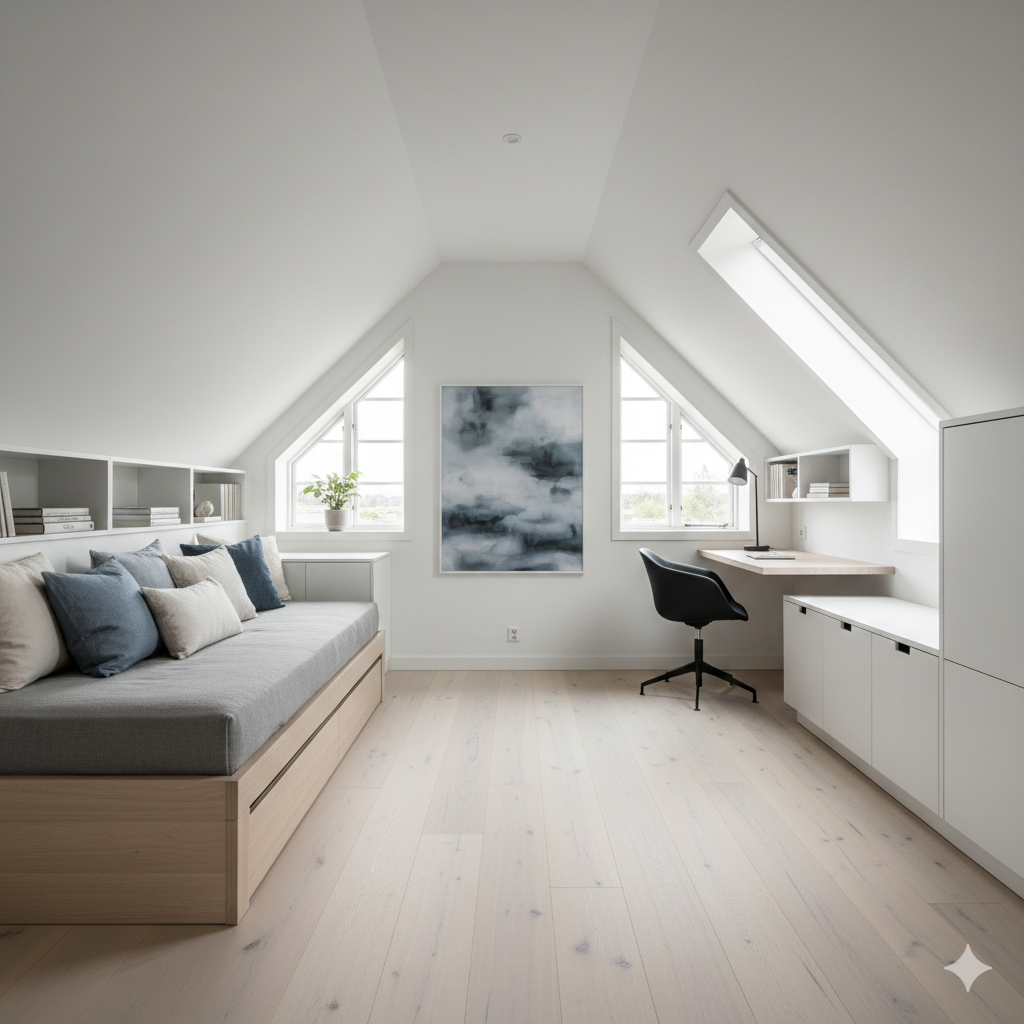
16. The Multi-Functional Guest and Office Space
Many attic bedrooms need to serve double duty as both a guest room and an office, craft room, or exercise space. This multi-functional approach requires thoughtful planning to make the room work well for both purposes without feeling cluttered or confused. The key is choosing furniture and layouts that allow the space to transform easily between its different uses while maintaining a cohesive, attractive design.
A daybed or sleeper sofa provides sleeping space for guests while functioning as seating during the day when the room serves its other purpose. Position it against a wall or under a sloped ceiling where a regular bed might not fit. Style it with throw pillows to look like a sofa during the day, then clear them off and add sleeping pillows when guests arrive. A quality air mattress stored in a closet or under built-in storage is another flexible option that completely disappears when not needed, leaving the room fully available for its other use.
Create distinct zones for the different functions even within the same space. Place the sleeping area in one part of the attic and the work or hobby area in another. A bookshelf, folding screen, or curtain can provide visual separation without permanent walls. If the attic has dormers or alcoves, use these natural divisions to separate the different zones. Good lighting for each zone is essential—task lighting for the work area, ambient lighting for the sleeping area, and perhaps accent lighting to highlight the room’s architectural features.
Storage becomes even more important in a multi-functional space. You need places to keep office supplies, craft materials, or exercise equipment separate from guest bedding and overnight essentials. Built-in storage solutions or attractive storage furniture that serves both purposes works well—a dresser with drawers for office supplies that can also hold guest items, a storage ottoman that conceals supplies but provides seating, wall-mounted shelves that display both work materials and decorative items. Keep the color scheme and style consistent throughout the space so that even with different functions, the room feels unified and intentional.
17. The Luxe Hotel-Inspired Suite
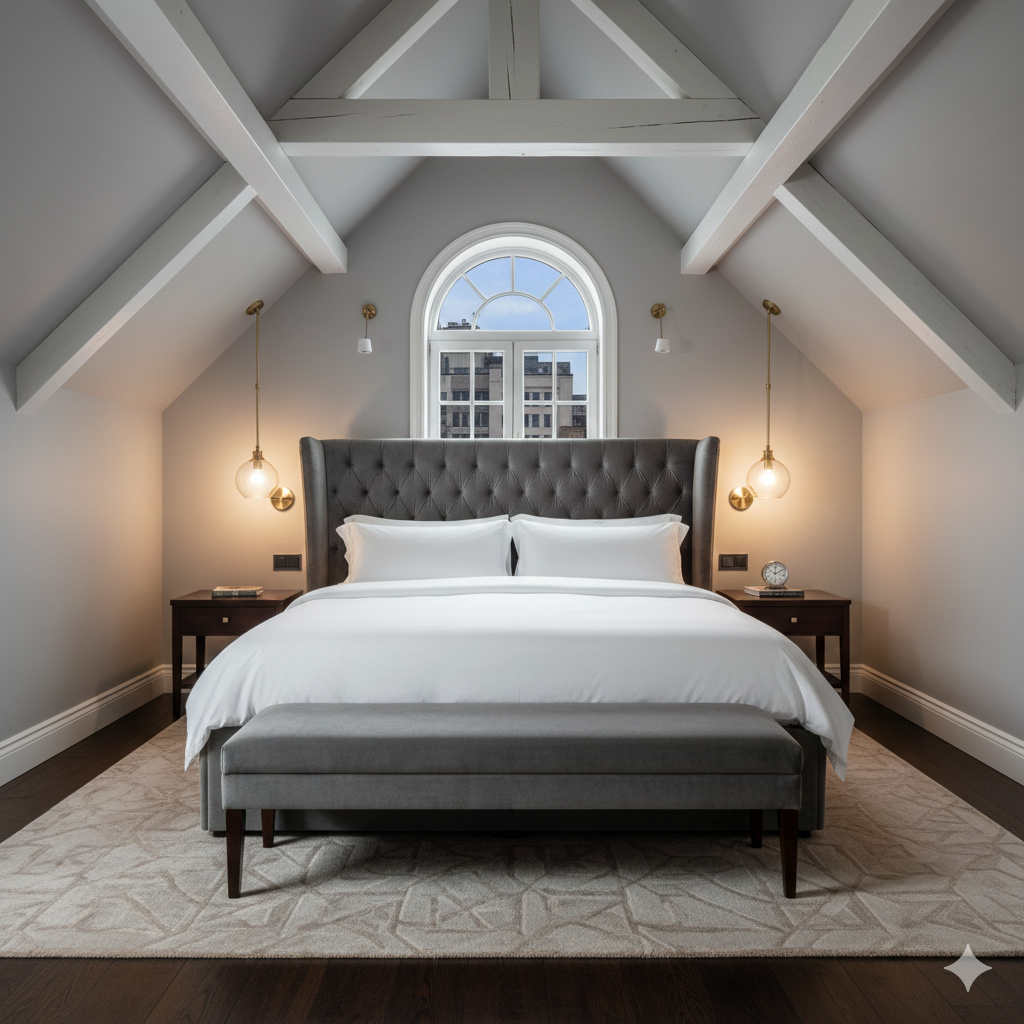
Transform your attic into a five-star hotel experience right at home. A hotel-inspired attic bedroom focuses on luxury, comfort, and those thoughtful details that make hotel stays feel special. This approach creates a bedroom that feels like a permanent vacation, a space where you can escape and indulge. The attic location adds to this feeling—tucked away at the top of the house, it already feels separate from daily life, and the hotel-inspired design enhances that sense of retreat.
Start with the bed as the centerpiece, just as hotels do. Invest in the best mattress you can afford and dress it in hotel-quality linens—high thread count cotton sheets, a plush duvet with a crisp white cover, and multiple pillows including both firm and soft options. Layer a throw blanket across the foot of the bed for texture and warmth. The bed should look and feel like something you’d find in an upscale boutique hotel—pristine, luxurious, and incredibly inviting. A substantial upholstered headboard adds comfort and visual weight, making the bed feel more important and anchoring the room.
Add the amenities that make hotels feel special. A luggage rack or bench at the foot of the bed provides a place to set things and makes the room feel more like a suite. Bedside tables with lamps for reading, a small tray for water glasses or a tea service, and perhaps a bud vase with a single flower add hotel-style thoughtfulness. If space allows, include a comfortable chair or small loveseat with a side table for relaxing. A full-length mirror is both practical and makes the room feel more spacious. Consider a mini-fridge stocked with water and treats, or a coffee station with a kettle and nice cups.
Lighting layering creates ambiance just like in nice hotels. Bedside lamps provide task lighting for reading, but add ambient lighting through recessed lights on a dimmer or LED strips for mood lighting. Perhaps a chandelier or pendant light makes the space feel more elegant. Heavy curtains or blackout shades on windows allow for total darkness when you want to sleep in. Finish with luxurious touches—a thick bathmat if your attic has an ensuite, plush robes hanging on hooks, quality toiletries in pretty containers. The overall effect should make you feel like you’re staying somewhere special every single night.
Conclusion
Whether you’re drawn to the serene simplicity of an all-white sanctuary, the moody sophistication of dark walls and warm lighting, the collected charm of bohemian style, or the romantic drama of a canopy bed, there’s an approach that will suit your personal taste and the specific qualities of your attic space. The beauty of attic bedrooms is that they’re inherently flexible—the unique architecture means there are no hard rules about how the space should look or function. This freedom allows you to be creative and experimental in ways that might feel too bold in a standard bedroom.
As you plan your attic bedroom transformation, remember that the most successful designs work with the space rather than against it. Measure your ceiling heights carefully and choose furniture that fits the proportions. Position your bed where you’ll have adequate headroom while taking advantage of views or natural light. Use the areas with lower ceilings for storage, seating, or other functions that don’t require full standing height. Consider the path of natural light throughout the day and position your bed, desk, or reading nook accordingly. Think about storage solutions that make use of knee walls and awkward corners instead of letting that space go to waste.
Don’t rush the process of creating your attic bedroom. Take time to live with the space, observe how light moves through it at different times of day, notice which areas feel naturally comfortable for different activities, and let the room tell you what it wants to become. Sometimes the best design solutions reveal themselves only after you’ve spent time in the space. Start with the bones—paint, flooring, any structural changes—then layer in furniture, textiles, and accessories gradually. This approach allows you to adjust as you go and ensures you’re making choices you’ll love for years to come.
Consider the practical aspects alongside the aesthetic ones. Attic bedrooms can be warm in summer, so think about ventilation, fans, or air conditioning. They can be chilly in winter if not properly insulated, so address insulation before focusing on decoration. Make sure you have adequate lighting for all your activities—natural light is wonderful, but you need good artificial lighting too. Plan for sufficient storage so the room doesn’t become cluttered. Think about access—is the stairway adequate, and can you get furniture up into the space?
Most importantly, create a space that truly feels like yours. An attic bedroom is inherently personal—it’s separate from the main living areas, tucked away at the top of the house, a private retreat that belongs just to you. Take advantage of this privacy to design a room that perfectly reflects your personality, preferences, and needs. Whether that means creating a minimalist zen space, a plant-filled nature sanctuary, a glamorous hotel-inspired suite, or an eclectic bohemian paradise, make choices that will make you happy every time you climb those stairs to your special room at the top of the house.
Your attic bedroom can become the most beloved room in your home—a place where you sleep deeply, wake peacefully, and spend your most restorative hours. With thoughtful design that celebrates the unique architecture, careful attention to lighting and comfort, and personal touches that make the space truly yours, that overlooked attic space can transform into the bedroom of your dreams. The journey from dusty storage area to beautiful bedroom retreat is one of the most satisfying home improvements you can undertake, and the result is a special space that adds both practical square footage and genuine charm to your home.