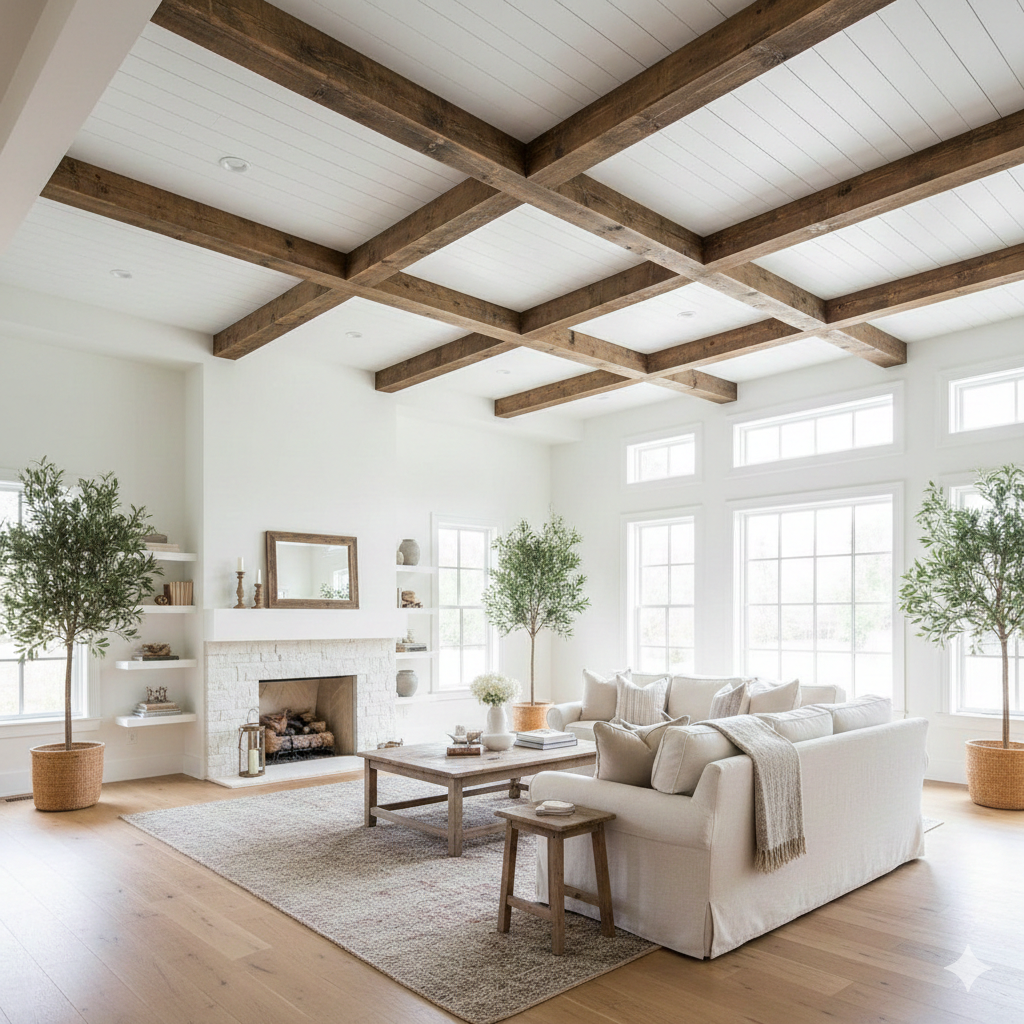
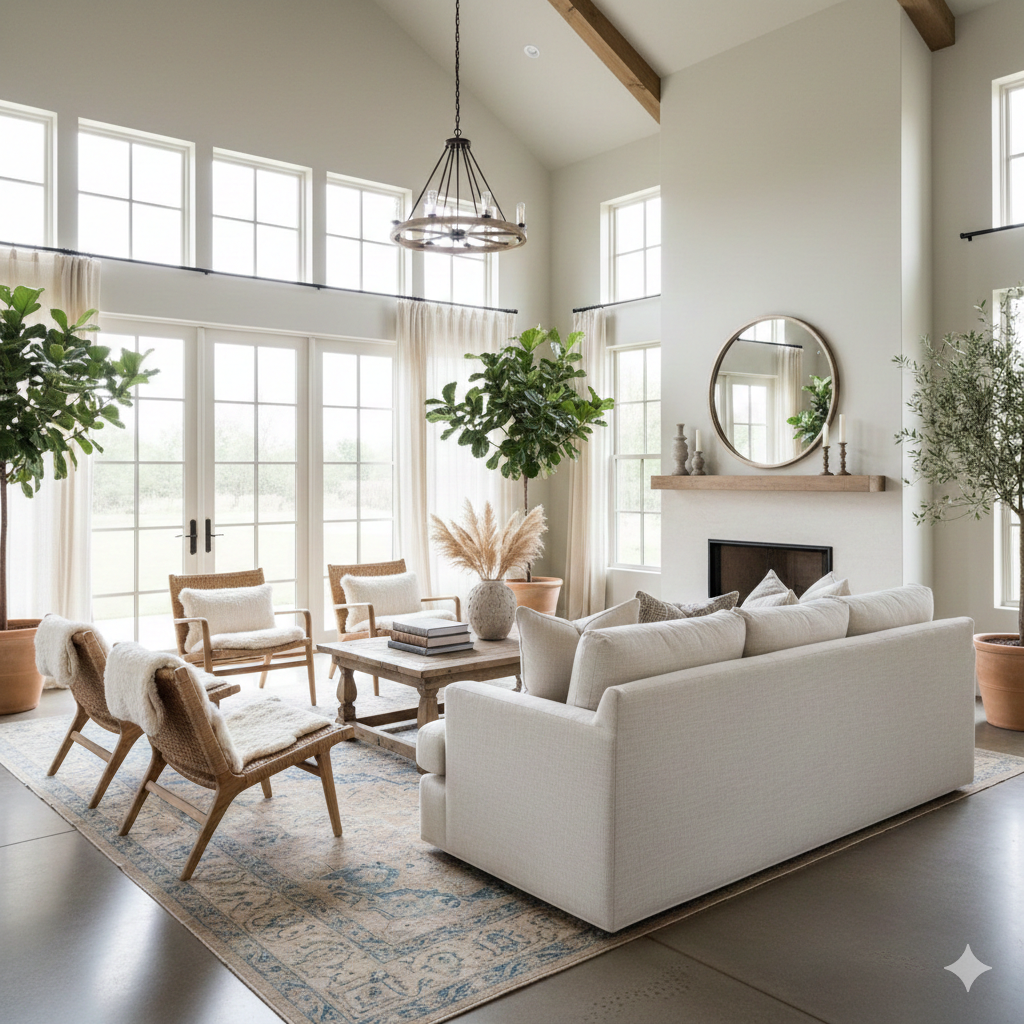
Modern farmhouse style has taken the design world by storm, and it’s easy to see why. This popular decorating approach combines the warm, welcoming feel of traditional farmhouse living with the clean lines and simplicity of modern design. The result is a look that feels both comfortable and current, rustic yet refined. Whether you live in a sprawling country home or a city apartment, these 12 modern farmhouse decor ideas will help you create spaces that feel grounded, authentic, and beautifully lived-in.
What makes modern farmhouse decor so appealing is its flexibility. You don’t need to commit to a complete overhaul of your home to embrace this style. Instead, you can mix and match elements that speak to you, creating a personalized space that reflects your taste while maintaining that signature farmhouse warmth. The important thing is finding the right balance between old and new, rough and smooth, functional and decorative.
1. Shiplap Walls for Texture and Character
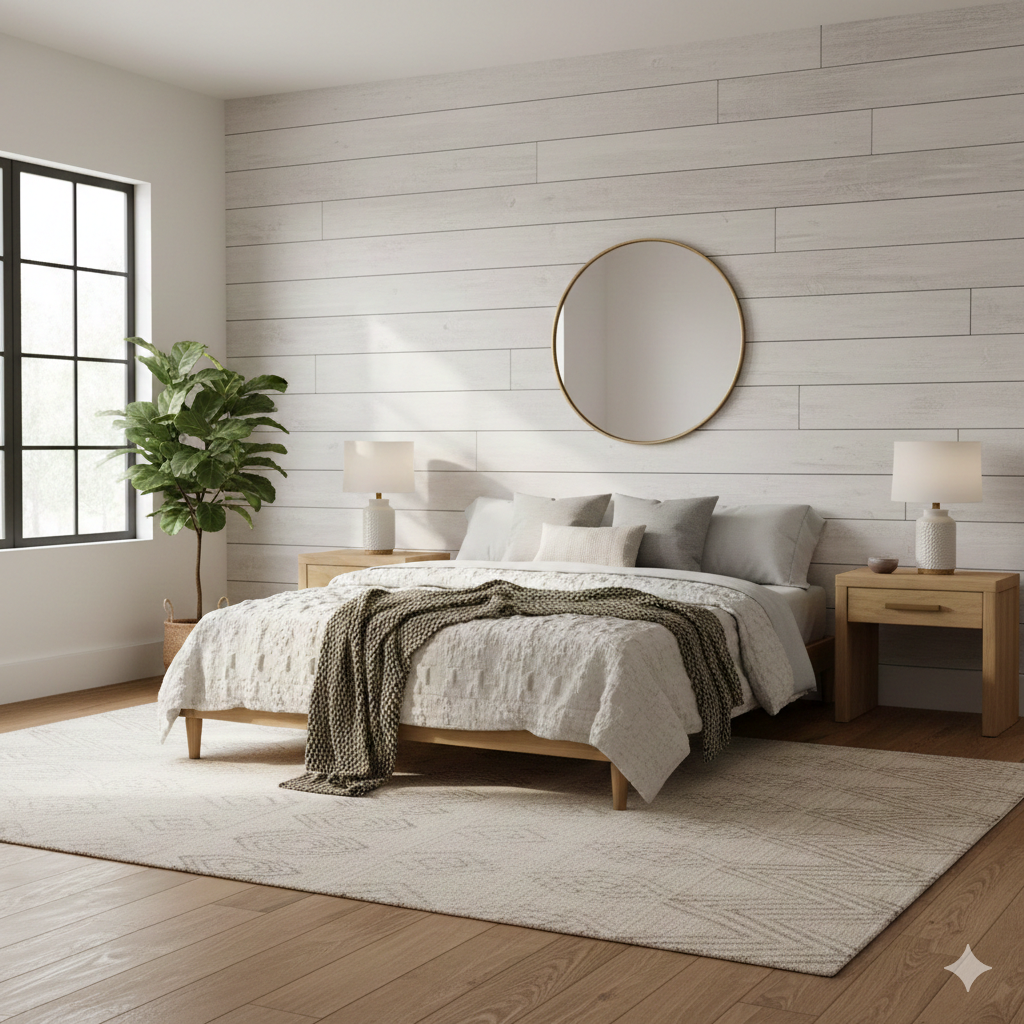
Shiplap has become nearly synonymous with modern farmhouse style, and for good reason. These horizontal wooden planks add instant character and texture to any wall in your home. Originally used as an exterior siding material on barns and outbuildings, shiplap brings a piece of authentic farmhouse history into your modern space. The beauty of shiplap lies in its simplicity—it’s just wooden boards installed horizontally with small gaps between them, creating subtle shadow lines that add depth and visual interest to your walls.
When incorporating shiplap into your home, you have several options. Many homeowners choose to paint shiplap in crisp white or soft cream colors, which brightens rooms and creates that fresh, airy feeling associated with modern farmhouse design. White shiplap works particularly well in kitchens, bathrooms, and bedrooms, where you want to maintain a light and open atmosphere. The painted finish also makes the space feel more polished and contemporary, balancing the rustic nature of the wood planks.
However, don’t feel limited to white. Natural wood shiplap, left unstained or finished with a clear coat, brings warmth and organic beauty to a space. This approach works wonderfully in living rooms, dining areas, or even as an accent wall in a bedroom. The natural grain patterns and color variations in the wood add visual interest without overwhelming the space. Some homeowners choose weathered or reclaimed wood shiplap for an even more authentic, aged appearance that tells a story.
One of the practical benefits of shiplap is that it can hide imperfect walls. If you’re dealing with textured walls, small cracks, or other surface issues, installing shiplap right over them can give you a fresh start. The installation process is relatively straightforward for those comfortable with basic carpentry, though professional installation ensures perfectly level, evenly spaced boards. You can install shiplap on a single accent wall to test the look, or go all-in and cover entire rooms for a more dramatic effect.
Consider using shiplap in unexpected places to make a statement. A shiplap ceiling, for instance, draws the eye upward and can make a room feel taller and more spacious. Shiplap in a mudroom or entryway sets a welcoming farmhouse tone right as you enter the home. Even covering just the lower half of a wall with shiplap, creating a wainscoting effect, can add farmhouse charm while keeping the space feeling balanced and not too rustic.
2. Open Shelving in the Kitchen
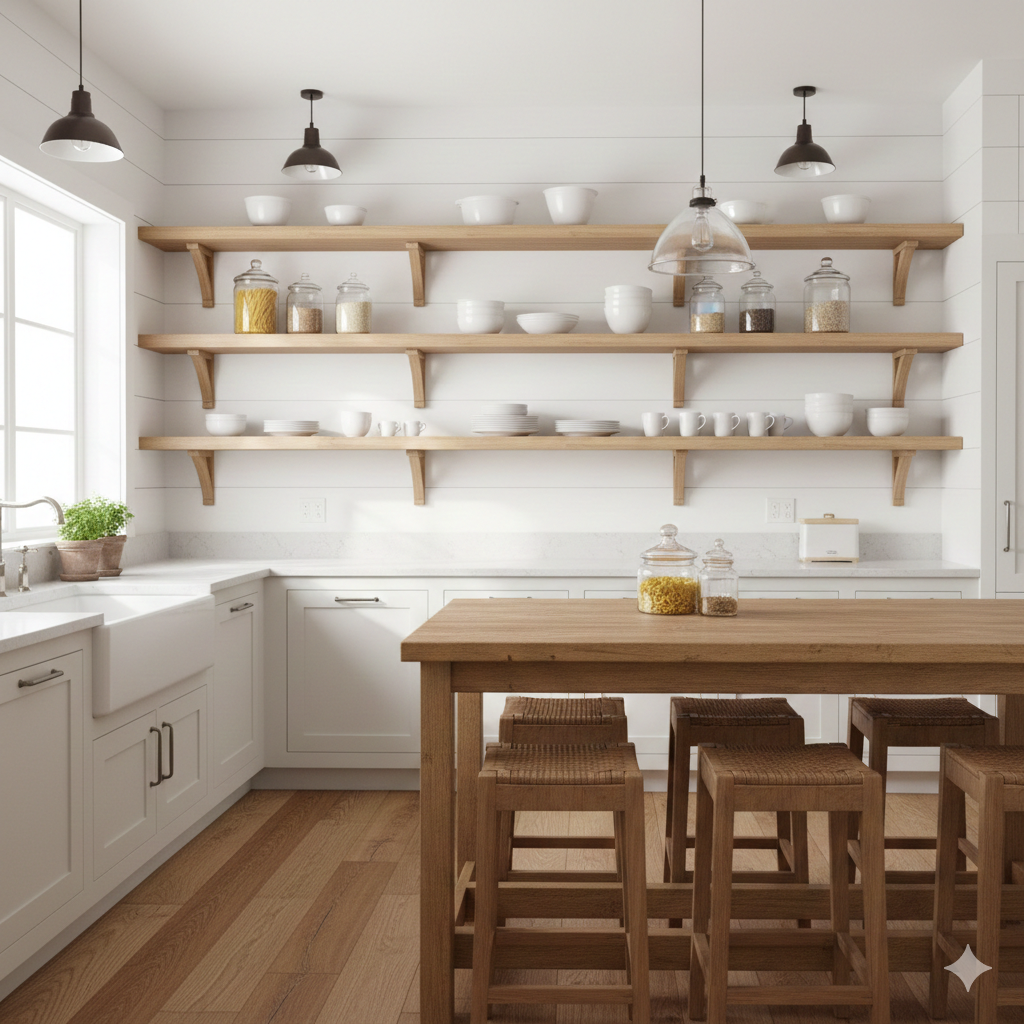
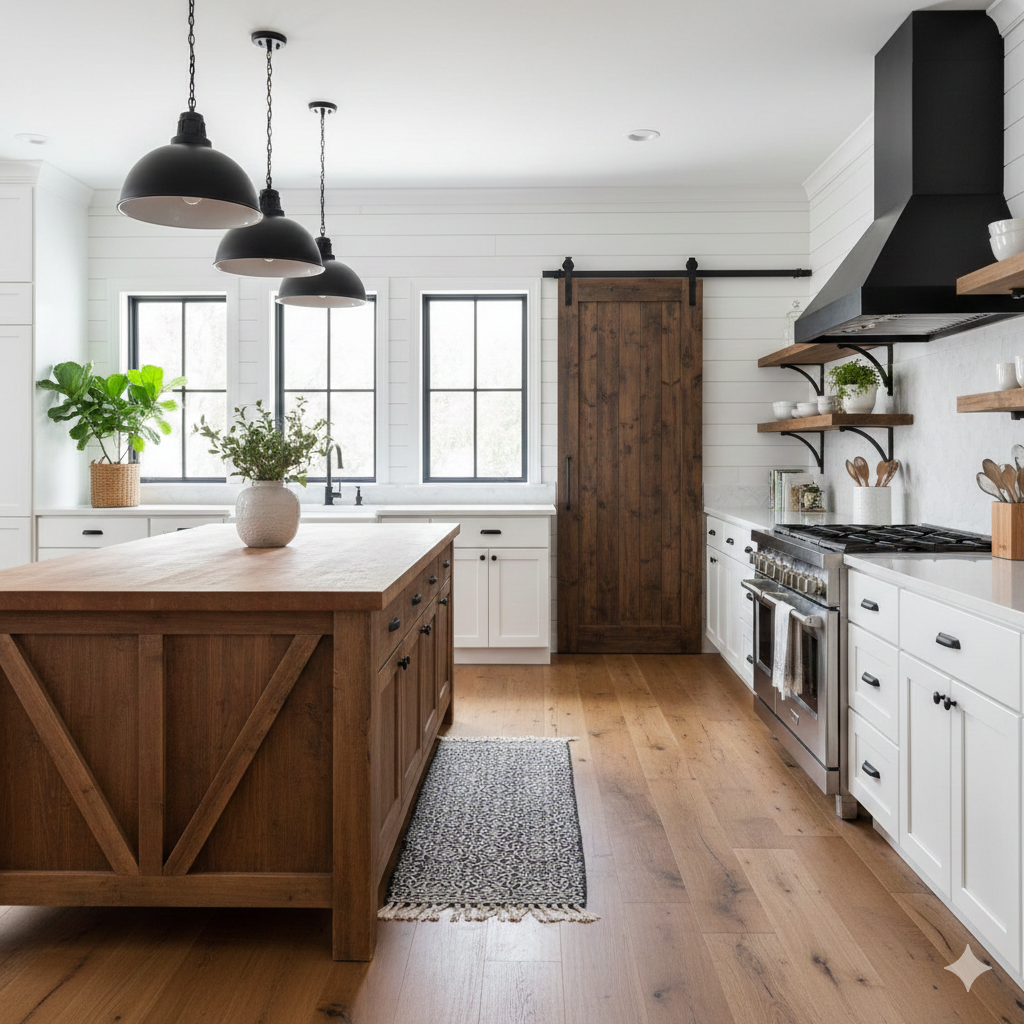
Open shelving has become a hallmark of modern farmhouse kitchens, replacing traditional upper cabinets with exposed shelves that put your dishes, glasses, and kitchen essentials on display. This design choice creates an open, airy feeling in the kitchen while forcing you to be more intentional about what you keep and how you arrange it. The result is a kitchen that feels less formal and more lived-in, where everyday items become part of the decor rather than hidden away behind closed doors.
The practical benefits of open shelving extend beyond aesthetics. Without cabinet doors in the way, you can easily see and reach everything you need, making cooking and meal preparation more efficient. You’re also more likely to use and enjoy your favorite dishes and serving pieces when they’re visible and accessible rather than tucked away in the back of a cabinet. This visibility encourages you to curate your kitchen items thoughtfully, keeping only what you truly use and love.
When styling open shelves, think about creating a balanced mix of functional items and decorative pieces. Stack white plates and bowls for a clean, cohesive look, or mix in colored dishes for pops of personality. Glass jars filled with dry goods like pasta, beans, or coffee add visual interest while keeping ingredients fresh and accessible. Incorporate small plants, cookbooks standing upright, or vintage kitchen tools to break up the monotony and add character. The key is avoiding a cluttered appearance—leave some empty space on the shelves so they don’t feel overwhelming.
Material choices for open shelving play a significant role in achieving the modern farmhouse look. Thick wooden shelves, especially those made from reclaimed wood or with a rough-hewn edge, bring warmth and rustic charm. Natural wood tones work beautifully against white or light-colored walls, creating that signature farmhouse contrast. For a more modern take, consider metal brackets in black or aged brass to support the shelves, adding an industrial edge that complements the farmhouse aesthetic.
If you’re worried about dust collecting on exposed dishes, you’re not alone—this is one of the most common concerns about open shelving. The solution is simple: use these dishes regularly. When items are in constant rotation, dust doesn’t have time to accumulate. For pieces you use less frequently, like special serving platters or seasonal items, consider storing them in closed cabinets and keeping only everyday essentials on the open shelves.
You don’t need to replace all your upper cabinets with open shelving to embrace this trend. Many homeowners choose a hybrid approach, installing open shelves on one wall or section of the kitchen while keeping closed cabinets elsewhere. This gives you the visual appeal and accessibility of open shelving without sacrificing storage space for items you’d prefer to keep hidden. Open shelves flanking a range hood or installed on either side of a window create beautiful focal points while maintaining functionality.
3. Barn Doors for Functional Style
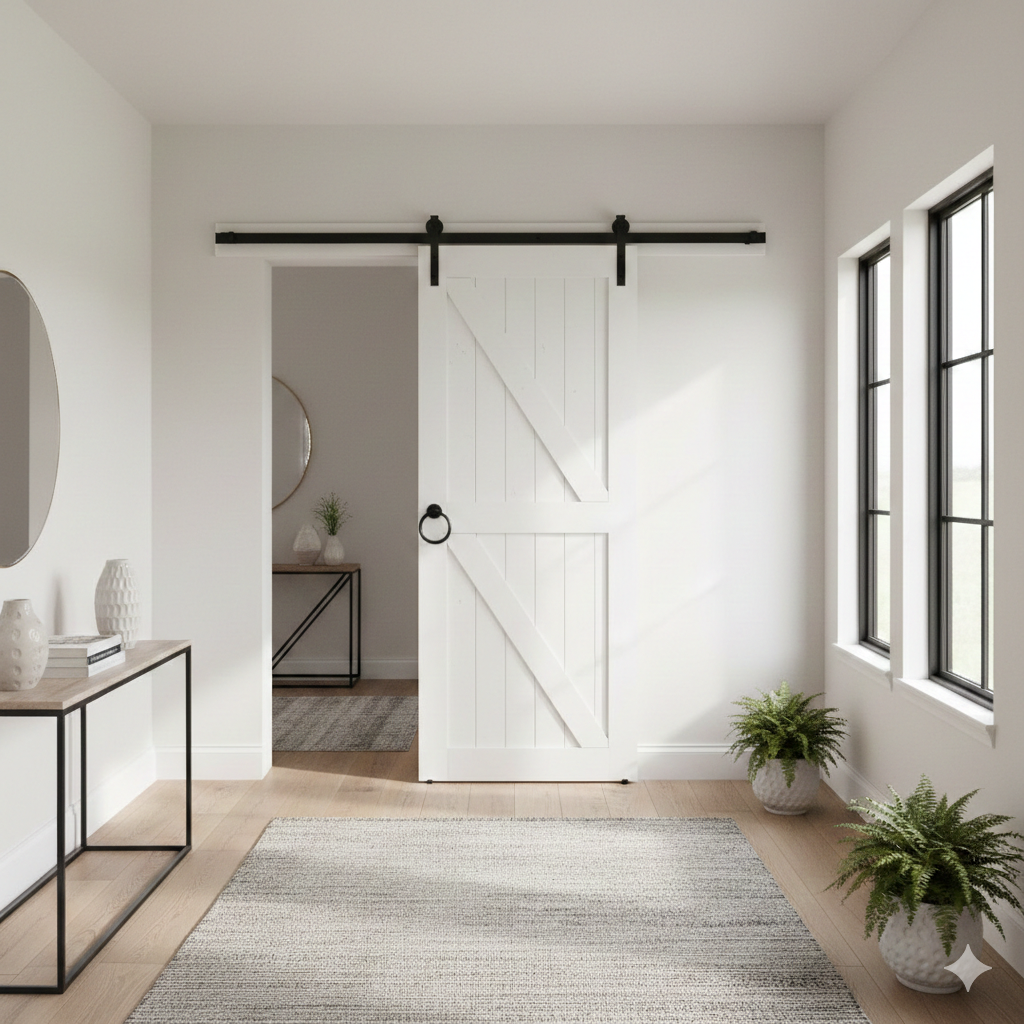
Barn doors bring an unmistakable farmhouse element into modern homes while solving practical space issues. Unlike traditional swinging doors that require clearance space to open, barn doors slide along a mounted track, making them perfect for tight spaces, closets, pantries, or rooms where a swinging door would be awkward or obstructive. The exposed hardware and rustic appearance of barn doors immediately establish farmhouse credentials while adding a unique architectural feature that becomes a conversation piece.
The visual impact of a barn door comes from both the door itself and the hardware that supports it. Traditional barn door hardware features a visible track mounted above the door opening, with wheels or rollers that allow the door to glide smoothly along the track. This hardware is available in various finishes, from matte black and oil-rubbed bronze to brushed nickel and aged brass. Black hardware has become particularly popular in modern farmhouse designs, creating strong visual contrast against light-colored walls and doors.
When selecting a barn door, you’ll find options ranging from authentic reclaimed wood doors salvaged from actual barns to brand-new doors designed to replicate that aged, weathered look. Reclaimed doors come with genuine character—nail holes, grain patterns, and color variations that can’t be replicated. Each door is unique, telling its own story through decades of wear and use. However, these authentic pieces can be expensive and may require additional preparation to ensure they’re properly sized and sealed for interior use.
New barn doors designed for modern farmhouse interiors offer consistency and customization. You can choose from various wood types, finishes, and design details to match your specific aesthetic. Some feature X-bracing or Z-patterns on the door face, classic barn door designs that add visual interest. Others have window panels—either clear glass, frosted glass, or even metal mesh inserts—that allow light to pass through while maintaining some privacy. Painted barn doors in white, gray, or navy create a more contemporary look while still maintaining that farmhouse feel.
Installation location matters when incorporating barn doors into your home. They work beautifully as bedroom doors, especially in master bedrooms where the rustic charm creates a cozy retreat atmosphere. Barn doors on walk-in closets or reach-in closets save space while adding character. In open floor plans, barn doors can serve as flexible room dividers, allowing you to close off a home office or playroom when needed and slide it open to maintain flow when you want a more open feel. Pantry barn doors turn a utilitarian storage space into a design feature, especially when you coordinate the door with your kitchen’s overall aesthetic.
The sound of a barn door is worth considering. Unlike traditional doors that close into a frame with weatherstripping, barn doors slide along the wall surface and don’t create a tight seal. This means they don’t dampen sound as effectively as conventional doors. For bathrooms or bedrooms where privacy and noise control are important, this might be a consideration. However, for closets, pantries, or decorative room dividers, the slight gap and minimal sound dampening aren’t typically issues.
4. Farmhouse Sink
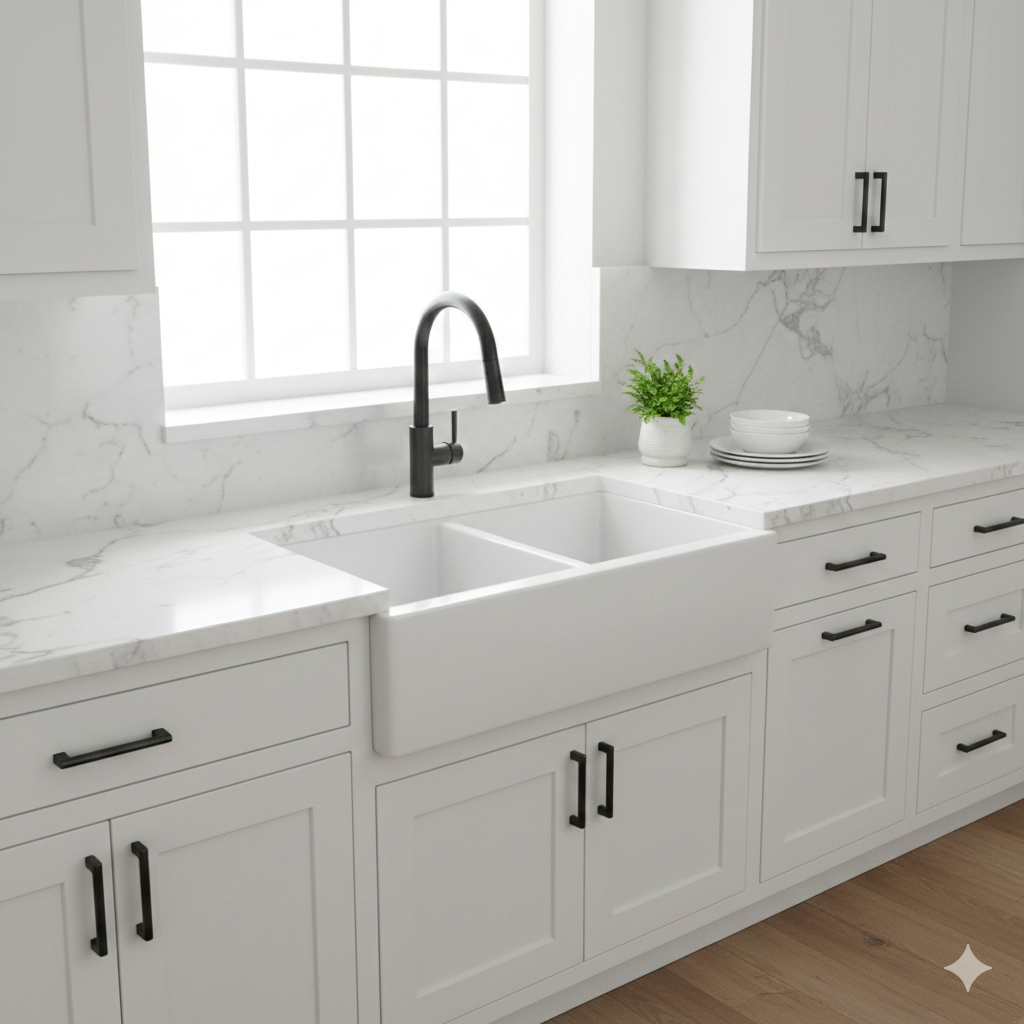
The farmhouse sink, also known as an apron-front sink, stands out as one of the most recognizable features of farmhouse kitchen design. Unlike traditional sinks that sit within the countertop, a farmhouse sink’s front panel (or apron) extends beyond the counter’s edge, creating a distinctive look that’s both functional and beautiful. These sinks were originally designed for practicality in working farmhouses, where their large, deep basins could accommodate big pots, canning supplies, and the demands of feeding large families.
Modern farmhouse sinks come in various materials, each offering different benefits and aesthetics. White fireclay sinks are perhaps the most popular choice, creating that classic, pristine farmhouse look. Fireclay is extremely durable, resistant to scratching, chipping, and staining, making it ideal for busy kitchens. The smooth, glazed surface cleans easily and maintains its appearance for years. Stainless steel farmhouse sinks offer a more contemporary take on the style, with the durability and low maintenance that stainless steel provides. These work particularly well in kitchens that lean more modern than rustic.
Cast iron farmhouse sinks coated with enamel provide another classic option. These heavy, substantial sinks come in various colors, though white remains the most popular for achieving that authentic farmhouse aesthetic. Some homeowners choose copper or bronze farmhouse sinks for a more unique look. These develop a natural patina over time, creating a living finish that evolves with use, adding character and warmth to the kitchen.
The installation of a farmhouse sink requires more planning than a standard drop-in sink. Because the sink’s apron front is exposed, your cabinetry needs to be specially cut to accommodate it. This typically means working with a cabinet maker or purchasing cabinets specifically designed for farmhouse sinks. The installation process is more involved and usually requires professional help to ensure proper support for the sink’s weight and correct alignment with your countertops. Despite the extra effort and expense, many homeowners find the dramatic visual impact worth the investment.
Choosing between a single-basin or double-basin farmhouse sink depends on your kitchen habits and preferences. Single-basin sinks offer one large, uninterrupted space perfect for washing big pots and pans, baking sheets, and even small children or pets. The lack of a divider means you can easily maneuver large items without awkward angles. Double-basin farmhouse sinks provide the traditional benefits of separated spaces—one side for washing, the other for rinsing, or one for dishes and one for food preparation. Some models offer an offset design with one larger basin and one smaller, providing flexibility for different tasks.
The depth of farmhouse sinks is another important consideration. These sinks are typically deeper than standard sinks, often ranging from 9 to 12 inches deep. This depth is wonderful for containing splashes and accommodating large items, but it can be hard on your back if you’re tall. The extra reach required to access the bottom of a very deep sink can strain your back during prolonged use. Consider your height and how you use your sink when selecting the depth.
5. Vintage-Inspired Light Fixtures
Lighting plays a crucial role in establishing the modern farmhouse aesthetic, and vintage-inspired fixtures help bridge the gap between old and new. These lights reference designs from earlier eras—barn lights, schoolhouse pendants, industrial warehouse fixtures, and classic chandeliers—but are updated with modern functionality and finishes. The right lighting fixtures don’t just illuminate your space; they become sculptural elements that add character and reinforce your design vision.
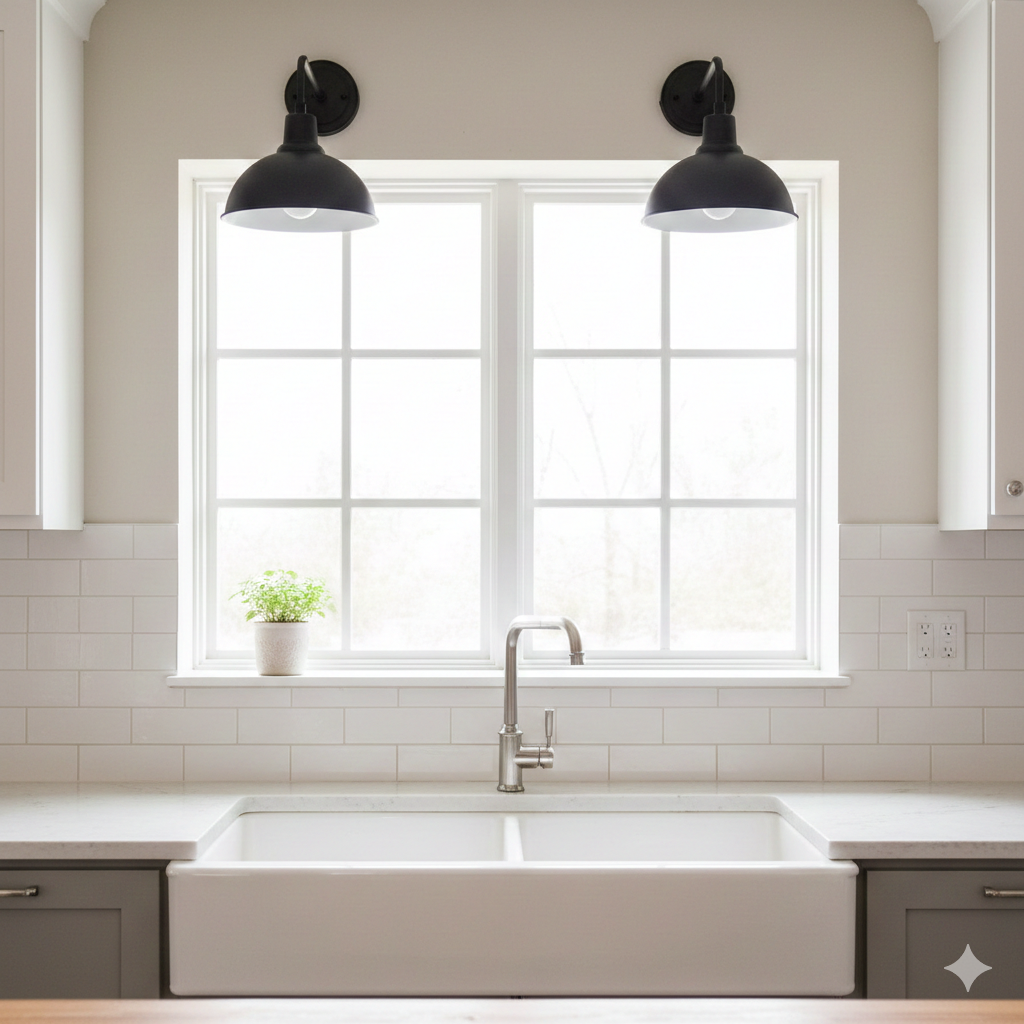
Barn lights, with their wide metal shades and simple forms, are quintessential farmhouse lighting. Originally designed to illuminate barn exteriors and withstand harsh weather, these fixtures have been adapted for interior use in modern farmhouse homes. They work beautifully over kitchen sinks, flanking garage doors, or illuminating outdoor entryways. The metal shades come in various finishes—matte black, galvanized steel, aged copper, or classic white enamel. Black barn lights create striking contrast against light-colored walls, while white enamel versions blend more subtly into farmhouse-white kitchens.
Pendant lights suspended over kitchen islands have become a signature element of farmhouse kitchen design. Glass pendants with metal frames reference industrial lighting while maintaining an approachable farmhouse feel. Clear glass allows maximum light transmission and showcases vintage-style Edison bulbs, which have become popular for their warm glow and decorative filaments. Seeded or rippled glass adds texture and visual interest while diffusing light more softly. Some pendant lights feature metal mesh or punched metal shades that create interesting light patterns on ceilings and walls.
Chandeliers in modern farmhouse homes often blend rustic materials with refined forms. Wood bead chandeliers bring organic texture and a relaxed, beachy vibe to dining rooms. Wagon wheel chandeliers make bold statements in great rooms or over large dining tables, though they work best in homes with higher ceilings and generous space. For a more subtle approach, candelabra-style chandeliers with simple arms and exposed bulbs provide elegance without excessive formality. Painted in matte black or aged brass, these fixtures feel both classic and current.
The kitchen often requires multiple types of lighting to be functional and beautiful. Combining different fixture styles—perhaps recessed lighting for overall illumination, pendant lights over the island, and a flush-mount or semi-flush fixture in the breakfast area—creates layers of light while maintaining visual interest. The key is ensuring these different fixtures coordinate without matching exactly. They should share common elements, whether that’s finish, material, or style, creating cohesion while avoiding a too-matchy appearance.
Scale is essential when selecting light fixtures. An oversized pendant over a small table feels out of proportion, while tiny pendants over a large kitchen island get lost and don’t provide adequate light. A general rule is that dining room chandeliers should be about half to two-thirds the width of the table below them, and the bottom of the fixture should hang about 30-36 inches above the table surface. Kitchen island pendants typically hang 30-40 inches above the counter, though this can vary based on ceiling height and pendant size.
Don’t overlook the importance of dimmer switches when installing new light fixtures. Dimmers allow you to adjust lighting levels throughout the day and for different activities, creating ambiance and saving energy. Morning tasks might require bright, focused light, while evening meals call for softer, more atmospheric illumination. Installing dimmers gives you flexibility and helps your vintage-inspired fixtures perform well in modern life.
6. Neutral Color Palettes with Natural Textures
The modern farmhouse color palette creates a calm, cohesive foundation that allows architectural details and furniture to shine. This approach typically centers on neutral colors—whites, creams, grays, beiges, and soft taupes—that create an airy, spacious feeling while providing versatility for changing decor and seasonal updates. These neutral backgrounds don’t feel bland or boring when you layer in plenty of natural textures and carefully selected accent colors.
White remains the most popular choice for modern farmhouse interiors, but not all whites are created equal. Some whites lean warm with creamy or yellow undertones, creating cozy, inviting spaces. Others lean cool with blue or gray undertones, feeling fresh and crisp. The difference seems subtle on a paint chip but becomes significant when covering entire walls. Warm whites work well in rooms with limited natural light, as they prevent the space from feeling cold or stark. Cool whites shine in bright, sun-filled rooms where they enhance the airy quality without becoming too yellow.
Gray has become another staple of modern farmhouse design, offering sophistication while maintaining neutrality. Like white, gray comes in countless shades ranging from pale silver to deep charcoal, with various undertones affecting how the color appears in your space. Greige—a hybrid of gray and beige—has emerged as a popular choice because it offers gray’s contemporary feel with the warmth of beige. This versatile color works beautifully on walls, creating a neutral backdrop that pairs well with both warm wood tones and cool metal finishes.
While walls typically stay neutral in modern farmhouse homes, that doesn’t mean color is entirely absent. Accent colors appear in furniture, textiles, artwork, and accessories, allowing for personality and seasonal changes without requiring major renovation. Navy blue, sage green, rust orange, and warm mustard are popular accent colors that complement neutral backgrounds without overwhelming them. Black also functions as an accent through light fixtures, window frames, hardware, and furniture legs, adding definition and visual weight to otherwise light spaces.
Natural textures prevent neutral color schemes from feeling flat or one-dimensional. Wood, whether in flooring, furniture, or decorative elements, brings warmth and organic beauty. Different wood tones can coexist successfully in modern farmhouse spaces—light oak flooring might pair with darker walnut furniture and weathered gray reclaimed wood accessories. Natural fiber rugs made from jute, sisal, or seagrass add subtle texture underfoot while maintaining the neutral palette. Linen curtains, cotton throws, and wool pillows introduce softness and tactile variety.
Incorporating texture extends beyond textiles and wood. Exposed brick walls, stone fireplace surrounds, concrete countertops, and plaster finishes all contribute textural interest while staying within a neutral color story. These surfaces catch and reflect light differently throughout the day, creating subtle variations that keep spaces interesting. Even the finish on painted walls matters—flat or matte finishes absorb light for a soft, velvety appearance, while eggshell or satin finishes reflect more light, making rooms feel brighter.
The beauty of a neutral foundation is its flexibility. You can easily update your space by swapping throw pillows, changing artwork, or introducing new accessories without clashing with existing colors. This makes it simple to embrace seasonal changes—adding cozy textures and deeper colors in fall and winter, then switching to lighter fabrics and brighter accents in spring and summer. Your neutral walls and major furniture pieces remain constant, providing continuity while decorative elements keep the space feeling fresh and current.
7. Reclaimed Wood Accents and Furniture
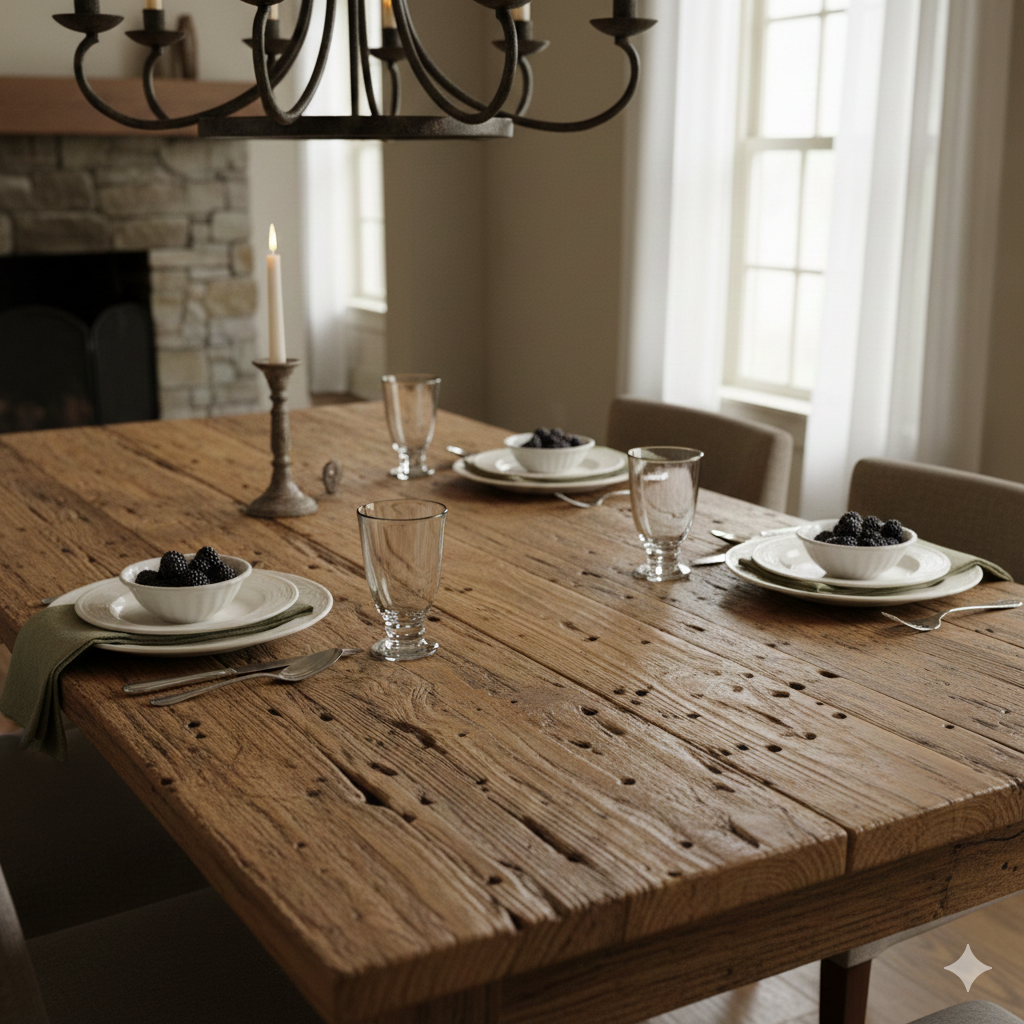
Reclaimed wood brings history, character, and environmental consciousness to modern farmhouse interiors. This material, salvaged from old barns, factories, warehouses, and other structures, carries the marks of its previous life—nail holes, saw marks, weathering, and color variations that can’t be replicated in new wood. Each piece tells a story, adding depth and authenticity to your space while giving new purpose to materials that might otherwise end up in landfills.
The appeal of reclaimed wood goes beyond its environmental benefits and unique appearance. This wood has already gone through decades or even centuries of expansion and contraction with humidity and temperature changes, making it more stable than fresh lumber. Old-growth wood, common in reclaimed materials, comes from trees that grew more slowly than today’s farmed timber, resulting in tighter grain patterns and greater density. This means reclaimed wood is often stronger and more durable than new wood, despite its aged appearance.
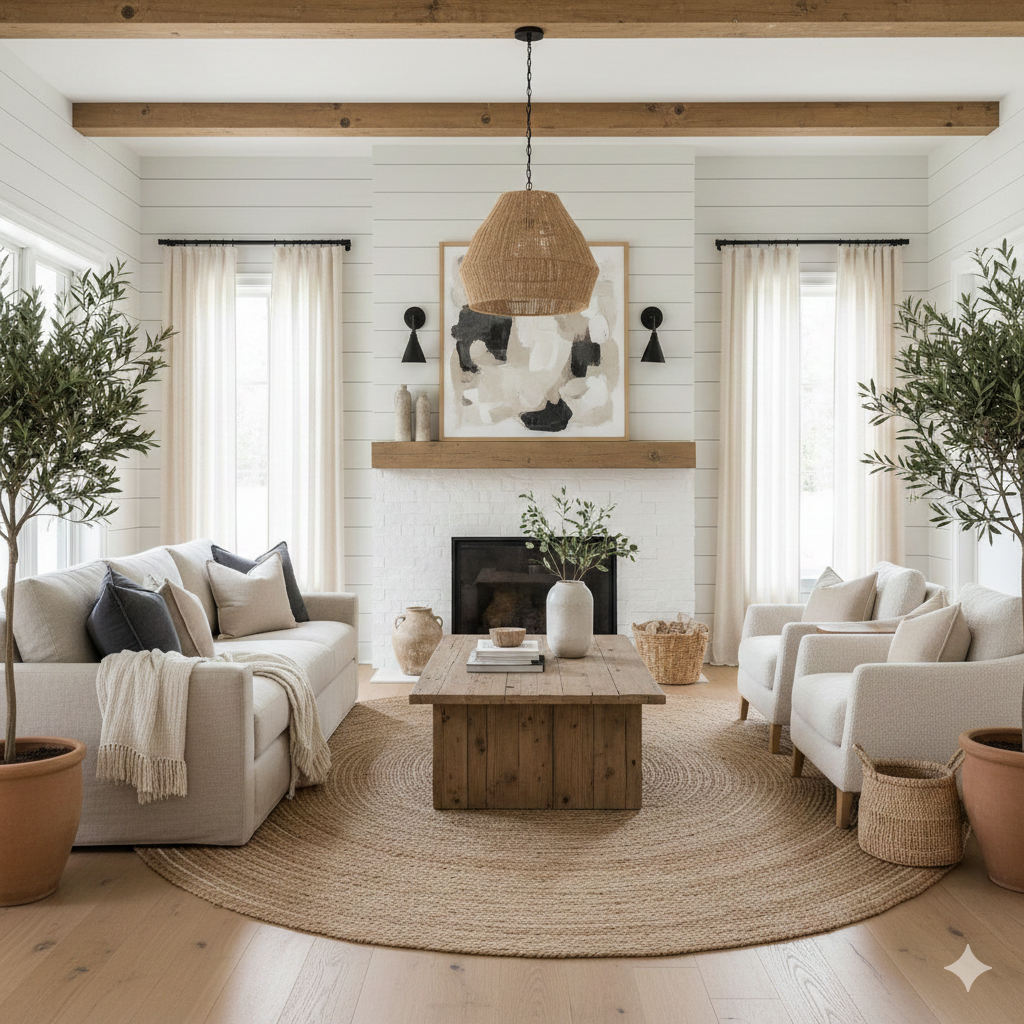
Reclaimed wood works beautifully in furniture pieces where its character can be appreciated. Dining tables made from reclaimed wood become gathering places with built-in conversation starters. The varied tones and textures across the tabletop create visual interest, ensuring no two tables are exactly alike. Coffee tables, console tables, and side tables crafted from reclaimed wood anchor living spaces with warmth and substance. These pieces pair equally well with modern upholstered furniture and vintage finds, serving as bridges between different design elements.
Beyond furniture, reclaimed wood finds numerous applications in modern farmhouse homes. Accent walls made from reclaimed wood planks create dramatic focal points in living rooms, bedrooms, or dining areas. The varied widths, colors, and weathering patterns of the planks add dimension and texture that painted walls can’t match. Floating shelves cut from reclaimed beams provide both storage and display space while showcasing the wood’s character. Even smaller touches like reclaimed wood picture frames, mirrors, or serving trays introduce this material’s warmth throughout your home.
When shopping for reclaimed wood pieces, you’ll encounter different levels of processing and finishing. Some reclaimed wood is cleaned and sealed but otherwise left in its found state, maintaining all its original imperfections and character. Other pieces are more heavily processed—planed smooth, stained, and finished to specific color tones while still retaining visible signs of age like nail holes and grain variations. Neither approach is better; it depends on your aesthetic preference and how rough-hewn or refined you want the piece to look.
Be aware that authentic reclaimed wood furniture and materials typically cost more than new wood alternatives. The process of safely dismantling old structures, removing hardware, cleaning the wood, and preparing it for new use is labor-intensive. Additionally, the supply of genuine reclaimed wood is limited, particularly for desirable species and weathered finishes. However, the investment often pays off in quality, uniqueness, and the satisfaction of incorporating truly sustainable materials into your home.
If budget is a concern, look for new wood products designed to mimic reclaimed wood’s appearance. Many manufacturers offer furniture and decor with distressed finishes, paint techniques, and artificial weathering that capture the look of aged wood at lower price points. While these pieces lack the authentic history of genuine reclaimed wood, they can still contribute to the modern farmhouse aesthetic effectively, especially when mixed with other authentic elements.
8. Metal Accents for Industrial Edge
Incorporating metal accents into modern farmhouse decor adds an industrial edge that prevents spaces from feeling too sweet or country-cute. Metal elements introduce visual weight, contrast, and a hint of masculinity that balances the softer aspects of farmhouse design. These touches reference the practical, hardworking origins of farmhouse style while grounding spaces with contemporary appeal.
Black metal has become particularly popular in modern farmhouse interiors, appearing in everything from light fixtures and cabinet hardware to window frames and furniture legs. Matte black metal creates strong, clean lines that define spaces and draw the eye. Black window frames, for instance, turn ordinary windows into striking architectural features, especially against white walls. This look references old factory windows and industrial spaces while maintaining a refined appearance suitable for residential interiors.
Other metal finishes contribute different moods and effects to farmhouse spaces. Brushed brass or antique brass brings warmth and a slightly vintage feel, working beautifully with cream or white backgrounds. Oil-rubbed bronze offers rich, dark tones with subtle variations that add depth and sophistication. Galvanized metal, with its silvery-gray color and textured appearance, directly references agricultural buildings and farm equipment, making it a natural fit for farmhouse style. Copper and aged copper develop living finishes that change over time, adding character as they patina.
Metal appears in both large architectural elements and small decorative details. Exposed metal ductwork, steel beams, or metal stair railings make bold architectural statements in lofts and open-concept homes. On a smaller scale, metal bar stools around kitchen islands, wire baskets for storage, metal-framed mirrors, and galvanized metal planters all incorporate this material’s industrial quality. Even switching out plastic or ceramic kitchen utensil holders for metal versions introduces this aesthetic in subtle ways.
Mixing different metal finishes within a space has become acceptable in modern design, though some coordination helps maintain cohesion. You might choose one dominant metal finish for the most visible elements—perhaps black for light fixtures and plumbing fixtures—then introduce a second finish in smaller doses through hardware, accessories, or furniture. This approach creates interest without feeling chaotic. The key is intentional mixing rather than accidental mismatching.
Furniture with metal frames or legs exemplifies the marriage of industrial and farmhouse styles. Dining chairs with metal frames and wood seats, coffee tables with metal bases and wood tops, or metal bed frames all blend these aesthetics successfully. The metal provides structure and modern edge, while wood components maintain warmth and connection to traditional farmhouse materials. This combination works particularly well in spaces that lean more modern than rustic.
Industrial-style shelving units, with their metal frames and wood shelves, function as both storage and display pieces. These units work in kitchens for open storage, in living rooms for books and decorative objects, or in home offices for organizing supplies. The exposed metal frame structure adds visual interest while the wood shelves provide warmth and connection to other wooden elements in the room. Many of these shelving units are freestanding, making them flexible options that can move with you or relocate within your home as needs change.
9. Cozy Textiles and Layered Fabrics
Textiles bring essential softness, comfort, and warmth to modern farmhouse interiors, preventing spaces from feeling cold or too minimalist. Layering different fabrics—linen, cotton, wool, and knits—adds depth and tactile richness that invites people to settle in and relax. These layers also provide opportunities to introduce subtle patterns and colors while maintaining the overall neutral aesthetic.
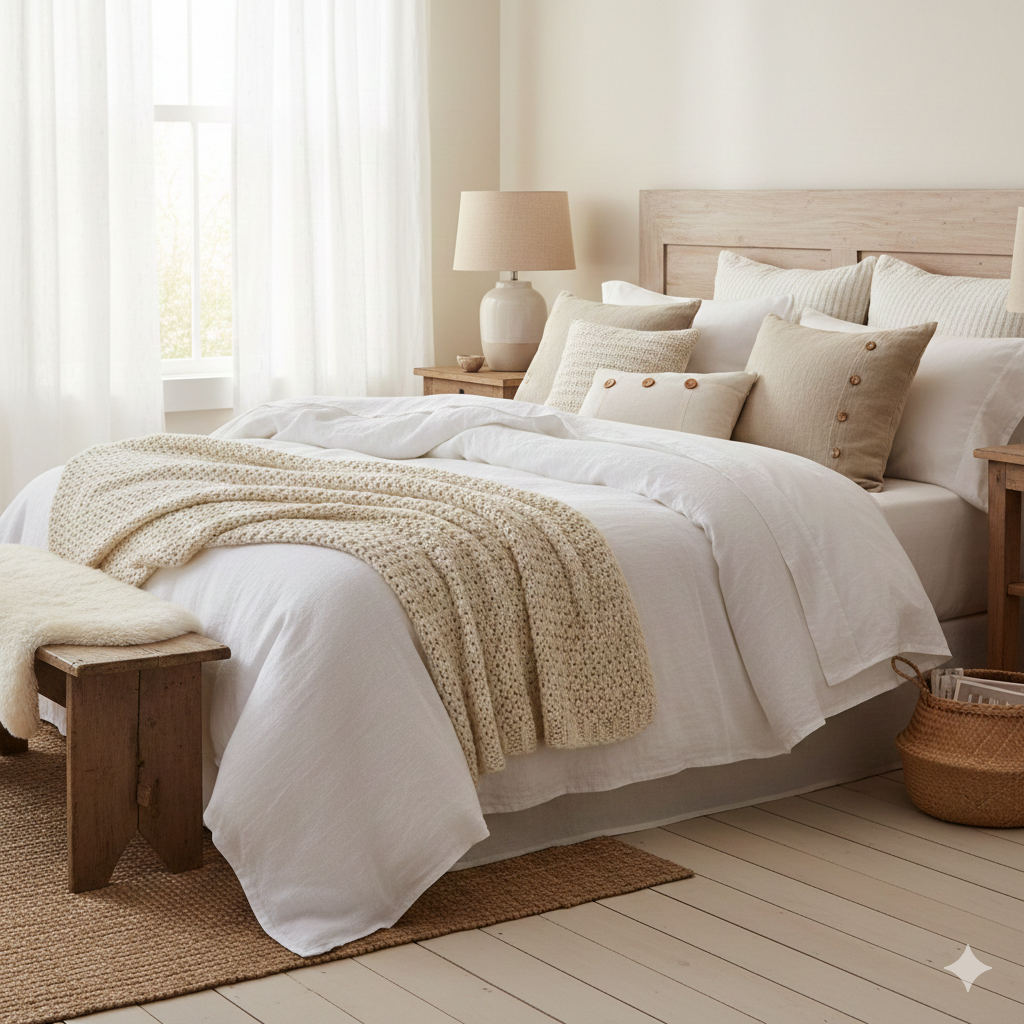
Linen has become a signature fabric in modern farmhouse design, valued for its natural, slightly rumpled appearance and breathable quality. Linen curtains filter light beautifully while maintaining privacy, their soft drape and natural texture adding elegance without formality. Linen bedding creates a relaxed, effortless look in bedrooms, especially in neutral colors like white, natural, or soft gray. The fabric’s slight wrinkles are part of its charm—they signal comfort and lived-in ease rather than stiff perfection.
Cotton, in its many forms, provides versatility and practicality. Cotton throw blankets draped over sofas or folded at the foot of beds add cozy layers that invite snuggling. Cotton duck canvas works well for heavier applications like slipcovers or upholstery, offering durability while maintaining a casual feel. Cotton muslin curtains create ethereal, light-filtering window treatments, while cotton ticking stripes—thin lines on white backgrounds—reference traditional mattress fabrics and add subtle pattern without overwhelming spaces.
Wool brings warmth and texture, particularly welcome in cooler months. Chunky knit wool blankets become both functional warmth-providers and sculptural decorative objects when draped over furniture. Wool rugs add softness underfoot while providing sound absorption in open-concept spaces. Felted wool pillows in soft grays or cream contribute textural variety to seating areas. Even wool felt trivets or coasters introduce this material’s warmth in small, practical ways.
Layering textiles creates visual and tactile interest that makes spaces feel complete and inviting. On beds, this might mean starting with crisp white sheets, adding a linen duvet cover, layering on a lighter cotton or linen coverlet, then topping with a chunky knit throw and mix of pillows in various sizes and textures. On sofas, pile different throw pillows in coordinating neutral tones, mixing smooth linen with nubby cotton, cable knits, and perhaps a subtle stripe or check pattern.
Natural fiber rugs deserve special mention in modern farmhouse spaces. Jute and sisal rugs bring organic texture and warm neutral tones that ground seating areas without competing with other design elements. These rugs work beautifully layered under smaller, patterned rugs for added dimension. Their flat, natural weave feels appropriate for farmhouse settings while being durable enough for high-traffic areas. Some homeowners worry about jute and sisal feeling rough underfoot, but choosing finer weaves and quality construction results in softer, more comfortable rugs.
Window treatments in modern farmhouse homes tend toward simplicity, allowing architecture and views to remain focal points. Simple linen or cotton curtains hung on basic rods serve functional purposes—privacy, light control, sound dampening—without elaborate styling. Many farmhouse-style curtains hang from rings on visible rods, making them easy to open and close while maintaining a relaxed appearance. Some homeowners prefer cafe curtains that cover only the bottom half of windows, providing privacy while maximizing natural light. Others choose Roman shades in natural fabrics for a cleaner look that stacks neatly when raised.
10. Antique and Vintage Finds
Incorporating genuine antiques and vintage pieces into modern farmhouse decor adds soul, history, and individuality that new items simply can’t replicate. These pieces ground your space in authenticity, connecting your contemporary home to the past in meaningful ways. Each vintage find carries its own story, whether that’s a farmhouse table that hosted family meals for generations or an old ladder repurposed as a blanket display.
The hunt for perfect vintage pieces can become an enjoyable hobby in itself. Antique stores, flea markets, estate sales, and online marketplaces offer endless possibilities for finding unique items that speak to you. Unlike buying everything new from a single retailer, which can result in catalog-perfect but somewhat impersonal spaces, gradually collecting vintage pieces creates rooms that feel curated and personal. These items reflect your taste, your adventures in finding them, and the stories behind each piece.
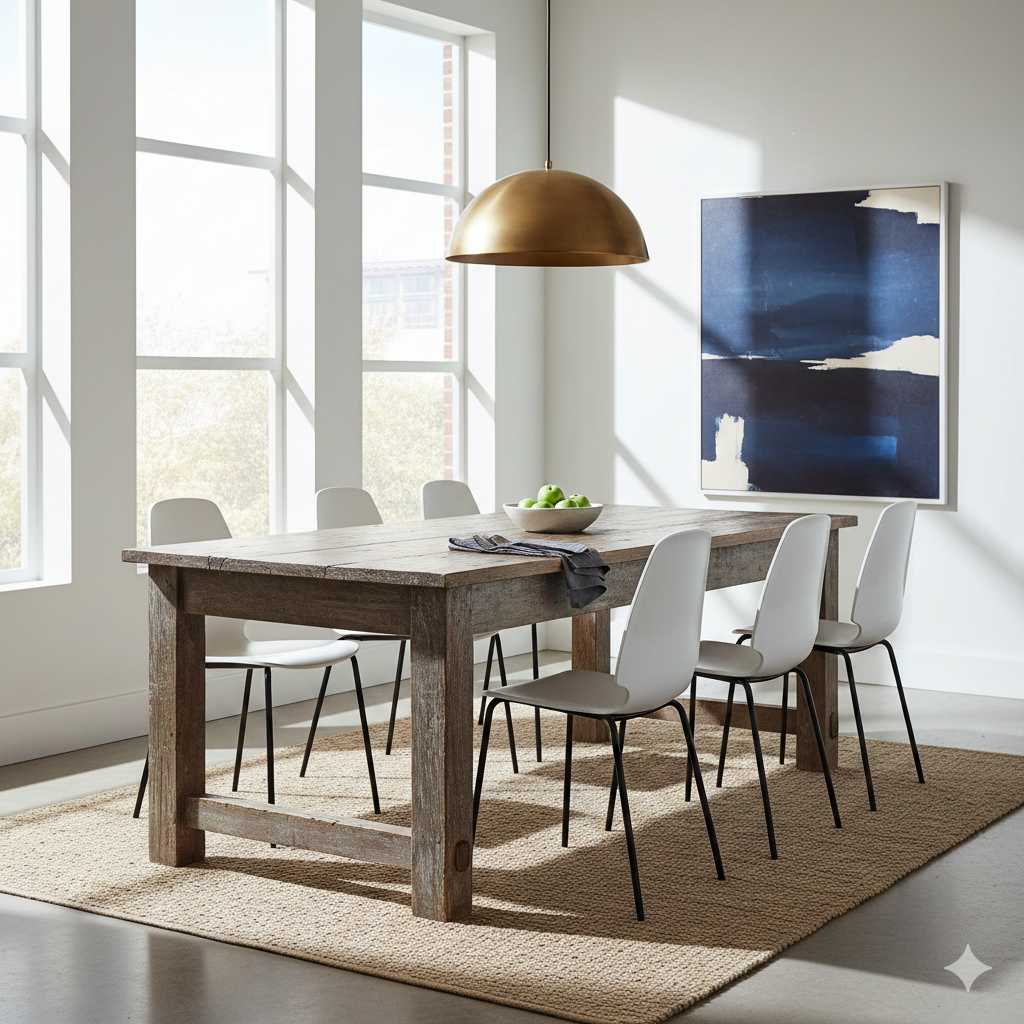
Vintage furniture pieces work beautifully in modern farmhouse homes, especially when mixed with newer items. An antique farmhouse table can anchor a dining room filled with modern chairs, creating an interesting juxtaposition of old and new. A weathered wooden cabinet can provide storage in a kitchen while adding character that new cabinetry lacks. Vintage dressers, once stripped of old paint and refreshed, make unique bathroom vanities with personality and ample storage. Even pieces in rough condition can be restored, repainted, or repurposed for new functions.
Beyond furniture, countless smaller vintage items enhance modern farmhouse spaces. Old crocks and stoneware jugs make excellent vases or simply decorative objects on open shelves. Vintage baskets provide storage while adding texture and warmth. Antique scales, whether functional or not, become sculptural elements on countertops or shelves. Old wooden boxes, tin containers, and glass bottles create vignettes that tell stories and add layers of interest.
Some vintage items transition beautifully into new purposes. Old wooden ladders lean against walls displaying quilts or throw blankets. Vintage windows become wall art or room dividers. Antique doors can be converted into headboards or tabletops. Metal milk crates provide rustic storage. The creative repurposing of vintage items not only gives them new life but also creates truly unique decor elements you won’t find in anyone else’s home.
When mixing vintage pieces with modern furnishings, balance is important. Too many antiques can make a space feel like a museum or cluttered thrift store, while too few fail to establish that connection to the past. A good rule of thumb is the 80/20 approach—roughly 80% of your space can be more contemporary or neutral, with about 20% being vintage or antique pieces that serve as focal points and conversation starters. These proportions aren’t strict, but they help maintain a collected look rather than an overwhelming one.
Condition and functionality matter when selecting vintage pieces. Items in perfect condition command higher prices but require no additional work. Pieces needing minor repairs or cosmetic updates often cost less and give you the satisfaction of restoration, plus you can customize finishes to match your space exactly. However, be realistic about your DIY skills and available time. A vintage piece requiring extensive structural repair might seem like a bargain initially but end up being more trouble than it’s worth.
11. Natural Greenery and Fresh Flowers
Living plants and fresh flowers breathe life into modern farmhouse interiors, quite literally. They add color, texture, and organic shapes that soften hard edges and complement the natural materials already present in farmhouse design. Beyond their aesthetic contributions, plants improve air quality, boost mood, and create connections to nature that make indoor spaces feel more alive and welcoming.
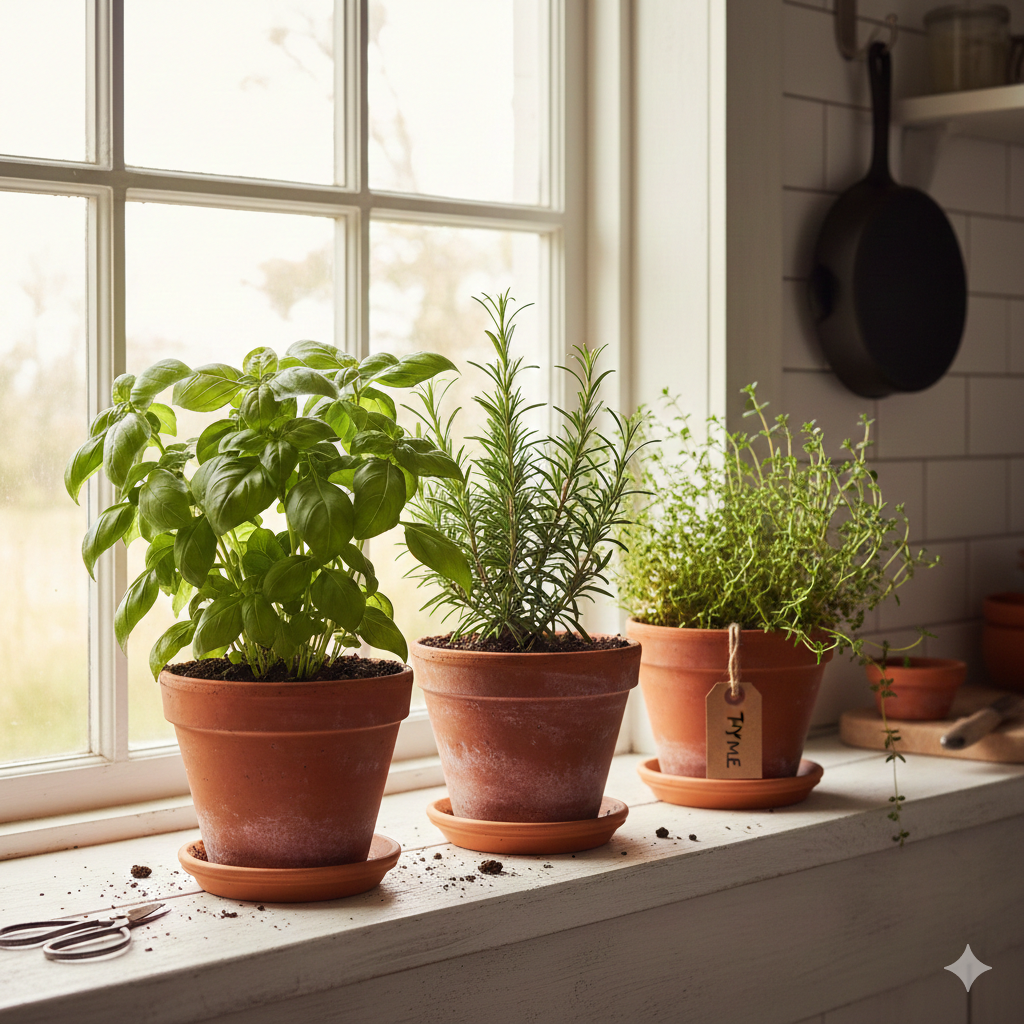
The types of plants that work best in farmhouse interiors tend toward simple, unfussy varieties that look natural rather than overly tropical or exotic. Herbs in terracotta pots clustered on windowsills serve double duty as decor and cooking ingredients. Succulents arranged in vintage containers need minimal care while adding sculptural interest. Larger floor plants like fiddle leaf figs, rubber plants, or olive trees make statements in corners or beside furniture. Trailing pothos or philodendron vines soften shelf edges and add movement to static displays.
Container choice significantly impacts how plants contribute to your farmhouse aesthetic. Terracotta pots in their natural clay color feel authentic and unpretentious, aging beautifully as they develop mineral deposits and patina. Galvanized metal buckets and containers reference farm and garden tools while providing drainage for larger plants. White ceramic pots maintain the clean, neutral palette while letting plants be the stars. Vintage finds like old crocks, enamelware, or wooden boxes become unique planters with drainage holes drilled in the bottom.
Fresh flowers, even in simple arrangements, elevate everyday spaces into special ones. Farmhouse flower arrangements typically embrace a looser, more natural style than formal florist arrangements. Flowers might include garden varieties—roses, peonies, zinnias, cosmos—or wildflowers like Queen Anne’s lace, black-eyed Susans, or daisies. Even grocery store bouquets can work beautifully when separated and rearranged in smaller clusters in various containers around the room rather than kept in a single mass.
The vessels holding flowers matter as much as the flowers themselves in achieving farmhouse style. Mason jars, with their glass transparency and nostalgic associations, make perfect vases for casual arrangements. Vintage milk bottles or glass bottles in varying heights create interest when grouped together with single stems or small clusters in each. Crocks and stoneware pieces hold larger, fuller arrangements. Even utilitarian items like metal pitchers or old cans become charming vases in farmhouse settings.
Location matters when displaying plants and flowers. Windowsills naturally draw the eye and provide the light most plants need, making them ideal spots for herb collections or small succulents. Kitchen counters benefit from small pots of herbs near the cooking area—both practical and decorative. Coffee tables and dining tables welcome low, wide arrangements that don’t obstruct conversation or views. Entry tables make strong first impressions with welcoming greenery or seasonal flowers. Even bathrooms can house plants that thrive in humidity, like ferns or pothos.
For those lacking green thumbs or dealing with low-light conditions, high-quality faux plants have improved dramatically in recent appearance. The best artificial plants are nearly indistinguishable from real ones, particularly in larger floor plants where close inspection is less likely. While real plants offer the benefits of air purification and the satisfaction of nurturing living things, realistic faux plants can fill gaps in difficult growing conditions or provide greenery in spaces where watering would be impractical.
12. Statement Wood Beams
Exposed wood beams add architectural drama and rustic character to modern farmhouse interiors, particularly in rooms with vaulted or high ceilings. These structural or decorative elements draw the eye upward, emphasizing ceiling height while adding warmth and texture overhead. Whether they’re authentic structural beams or decorative additions, wood beams create instant farmhouse credibility and serve as defining features in living rooms, kitchens, and bedrooms.
In older homes or renovations, exposing existing structural beams can reveal beautiful aged wood with character and history. These authentic beams often show original tool marks, natural checking (small cracks that develop as wood ages), and color variations that give them tremendous character. If your home has structural beams hidden beneath drywall or other ceiling treatments, exposing them might be worth the renovation effort. Even if the original beams aren’t beautiful in their current state, they can be refinished, stained, or even wrapped with new wood while maintaining structural integrity.
Many modern homes lack structural beams entirely, but you can add decorative beams that create the same visual impact. Faux beams made from lightweight materials like polyurethane or hollow wood boxes install directly onto flat ceilings, adding architectural interest without structural changes. These beams come in various wood species, finishes, and sizes, allowing you to customize the look to your space. While they don’t support weight, they’re often indistinguishable from solid wood beams when installed and finished properly.
Color and finish choices for beams significantly impact the overall feel of a space. Dark beams against white or light ceilings create dramatic contrast that emphasizes the beams themselves and makes ceilings feel taller. This high-contrast approach works beautifully in larger rooms with plenty of natural light, where the dark beams add definition without making the space feel heavy. Natural wood beams in medium tones blend more subtly with ceilings and walls, creating a warm, cohesive look. Whitewashed or painted beams offer a softer approach, adding texture and dimension while maintaining an airy feeling.
Beam spacing and arrangement affect both the visual impact and the scale of the room. Beams spaced too closely can make ceilings feel lower and rooms more cramped, while beams too far apart may not create the desired impact. In most applications, spacing beams 3-4 feet apart creates good visual rhythm without overwhelming the space. The direction of the beams also matters—they typically run perpendicular to the longest walls, but in open-concept spaces, you might run them in the direction that best defines specific areas or follows natural architectural lines.
Incorporating wood beams works in various room types beyond the expected living rooms and great rooms. Kitchen ceiling beams add warmth to what can sometimes feel like sterile, work-focused spaces. The beams provide visual balance for all the cabinetry and hard surfaces below. Bedroom ceiling beams create cozy, cottage-like feelings overhead, particularly beautiful in rooms with vaulted or cathedral ceilings. Even hallways can benefit from beams that add interest to spaces that might otherwise be purely functional.
Lighting integration with beams offers practical and aesthetic opportunities. Recessed lighting installed between beams provides overall illumination while the beams add architectural detail. Some homeowners install pendant lights hanging from beams, which works particularly well over islands or dining tables where the beam provides a natural mounting point. Track lighting mounted to beams allows for adjustable accent lighting while emphasizing the beams themselves. The key is planning lighting placement during beam installation or renovation for the cleanest, most integrated appearance.