
A Calm, Natural Approach to Creating a Modern Home That Feels Warm and Timeless
The modern organic aesthetic is more than just a trend. It is a way of designing a home that feels calm, grounded, and comfortable while still looking clean and modern. This style is loved because it brings together the best of both worlds. You get the simplicity and structure of modern design, mixed with the warmth and softness of nature.
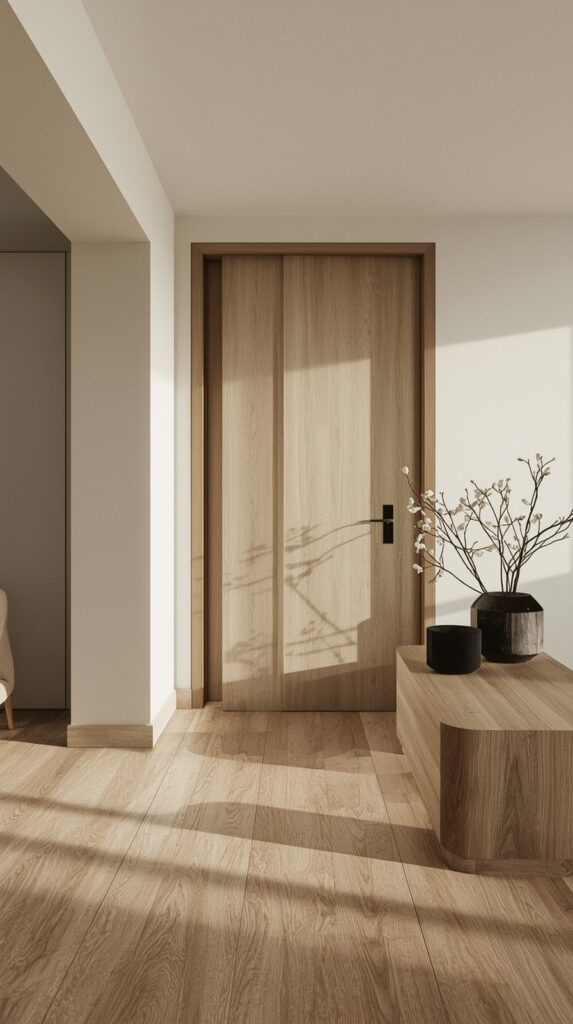
Many homes today look modern, but they can feel cold or empty. On the other hand, some homes feel cozy but cluttered. Modern organic design sits perfectly in the middle. It creates spaces that feel peaceful, warm, and welcoming without feeling busy or overwhelming.
In this guide, you will learn how to build a modern organic interior step by step. Everything is explained in simple words, with clear ideas you can actually use. Whether you are decorating one room or your entire home, this guide will help you understand how to create a space that feels natural, balanced, and timeless.
Understanding the Modern Organic Aesthetic
At its core, modern organic design is about balance. It balances clean lines with soft shapes, smooth surfaces with rough textures, and modern furniture with natural materials. Nothing feels too sharp, too shiny, or too perfect. The space feels relaxed and lived in, but still polished.
This style takes inspiration from nature. Think of warm sand, raw wood, stone, linen, and sunlight. These elements help the space feel calm and grounding. Instead of bold colors and loud patterns, the modern organic aesthetic relies on soft neutrals and gentle contrast. The goal is not to impress, but to make people feel at ease the moment they walk in.
Another important part of this style is intention. Every item in the room has a purpose. There is space to breathe. Empty space is not seen as wasted space, but as part of the design itself.
Building the Right Color Palette
Color is the base of any interior, and in modern organic design, it plays a very quiet but powerful role. The color palette is usually made up of warm, natural tones that feel soft on the eyes. These colors help the room feel open and calm, even if the space is small.
Most modern organic interiors start with warm whites or soft creams on the walls. These colors reflect light beautifully and make the space feel airy. Unlike cool white, warm white has a gentle softness that works well with natural materials like wood and stone.
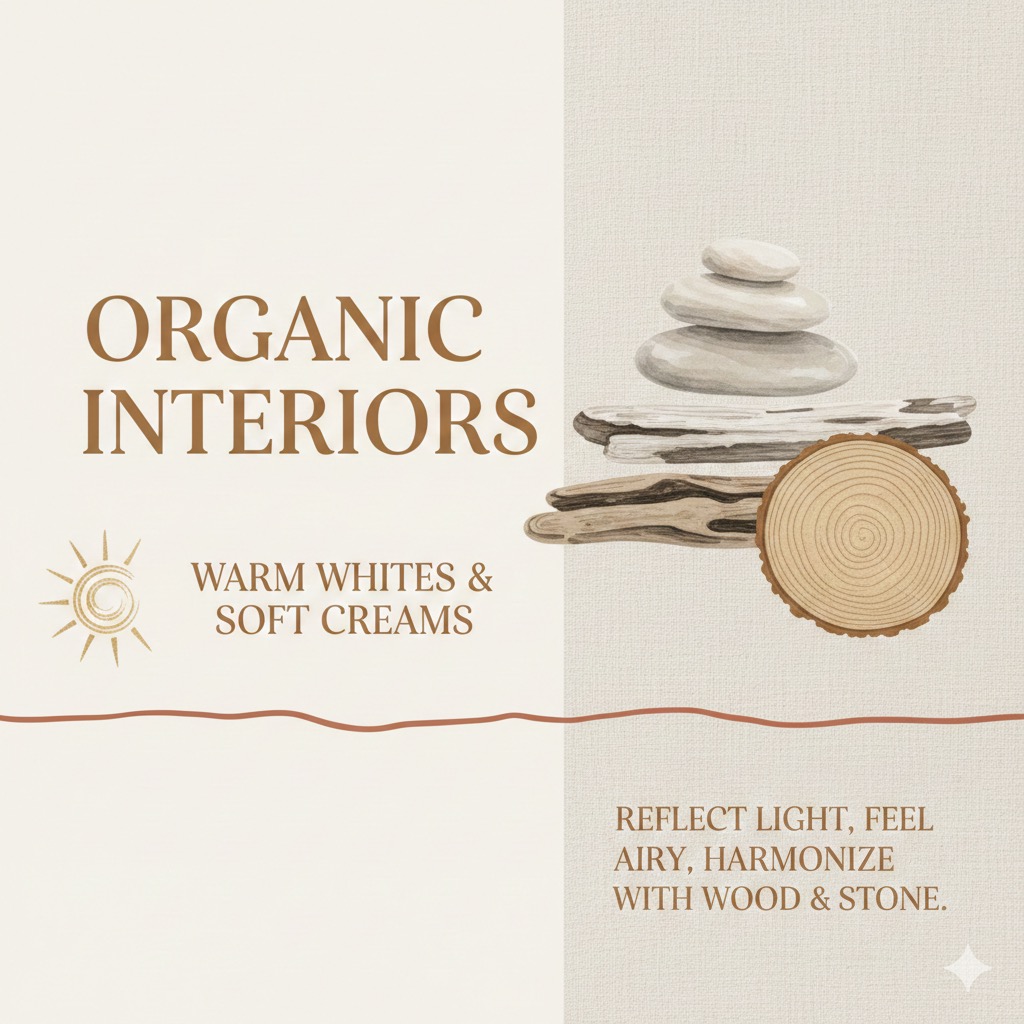
Beige, sand, light taupe, and soft gray are often used for furniture and textiles. These colors blend easily together and create a smooth, layered look. Instead of using many different colors, the focus is on using different shades of the same color family. This keeps the space looking calm and cohesive.
Small touches of deeper tones like olive green, clay, muted brown, or soft black can be added through decor or furniture. These darker shades add depth and prevent the space from looking flat, but they are always used carefully and in small amounts.
Walls, Floors, and the Importance of Texture
In modern organic interiors, texture is just as important as color. Because the color palette is simple, texture is what brings the room to life. Smooth walls paired with rough wood, soft fabric next to stone, and matte finishes instead of glossy ones all help create visual interest without noise.
Walls are usually kept simple, but adding subtle texture can make a big difference. Limewash paint, plaster finishes, or even lightly textured walls add depth and movement. These finishes catch light in a soft way and make the space feel more natural and handmade.
Floors play a grounding role in the room. Natural wood floors are one of the most popular choices because they add warmth and character. Light to medium wood tones work especially well in modern organic spaces. If wood floors are not an option, stone or polished concrete can also work when balanced with soft rugs and textiles.
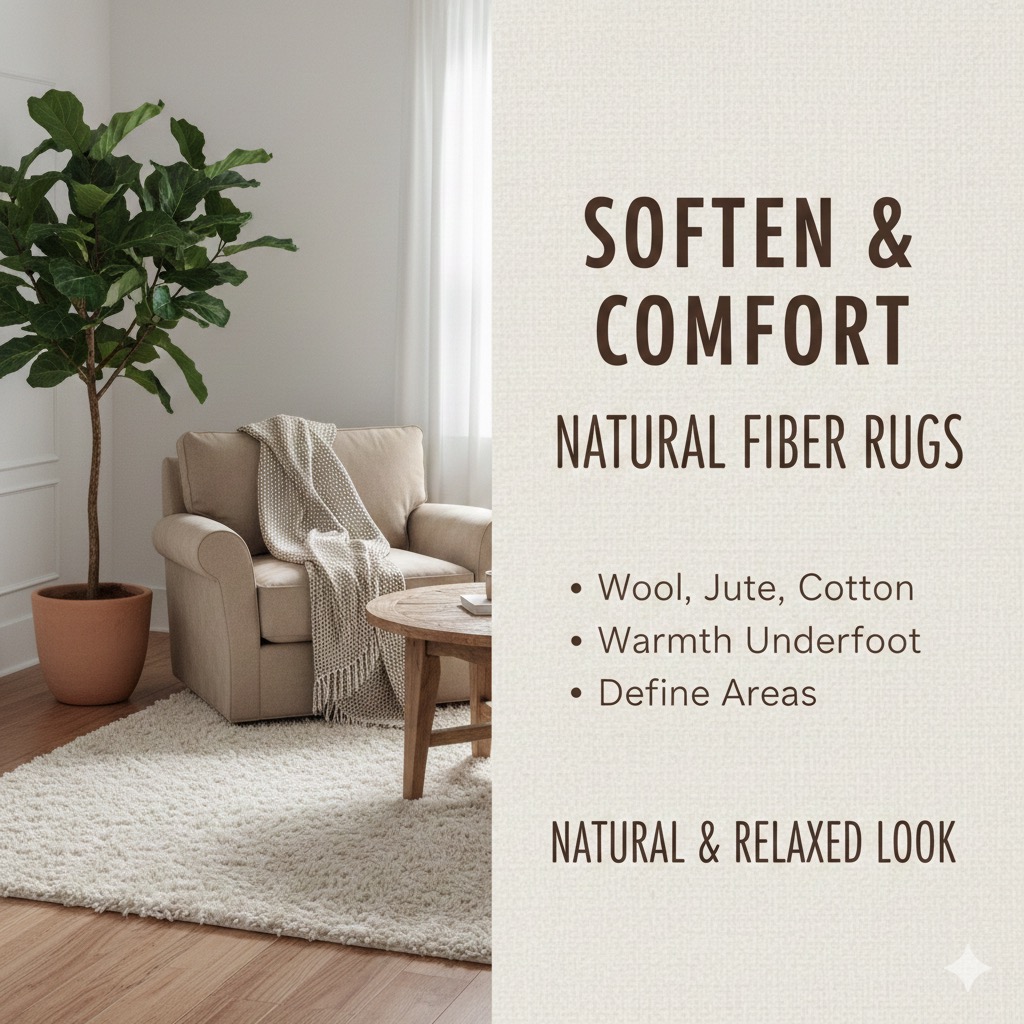
Rugs are often used to soften the space and add comfort. Natural fiber rugs made from wool, jute, or cotton are ideal. They bring warmth underfoot and help define different areas of the room while keeping the look natural and relaxed.
Choosing Furniture That Feels Soft and Timeless
Furniture in a modern organic home should look simple but feel inviting. The shapes are often clean and modern, but not sharp. Rounded edges, curved backs, and soft silhouettes are preferred because they feel more natural and comfortable.
Sofas and chairs are usually upholstered in neutral fabrics like linen, cotton, or textured blends. These fabrics feel breathable and relaxed, unlike shiny or synthetic materials. Comfort is key. Deep seats, plush cushions, and relaxed forms make the space feel welcoming and easy to live in.
Wooden furniture is a major part of this style. Coffee tables, side tables, shelves, and benches made from solid wood or wood veneer add warmth and character. The wood is often left in a natural or lightly finished state so the grain and texture can be seen.
Instead of filling the room with many small pieces, modern organic design favors fewer, well-chosen items. This helps the space feel open and intentional. Each piece has room to stand out without competing for attention.

Natural Materials as the Heart of the Space
Natural materials are what truly define the modern organic aesthetic. They connect the interior to the outside world and make the space feel grounded and real. These materials age beautifully and often look better over time, which adds to the timeless feel of the design.
Wood is one of the most important materials in this style. It can be used in furniture, flooring, decor, and even wall details. Lighter woods feel fresh and airy, while darker woods add depth and warmth. Mixing different wood tones is allowed, as long as they stay within a similar warmth level.
Stone is another key material. It adds weight and texture to the space. Stone coffee tables, trays, vases, or countertops bring a sense of strength and natural beauty. Even small stone accents can make the room feel more grounded.
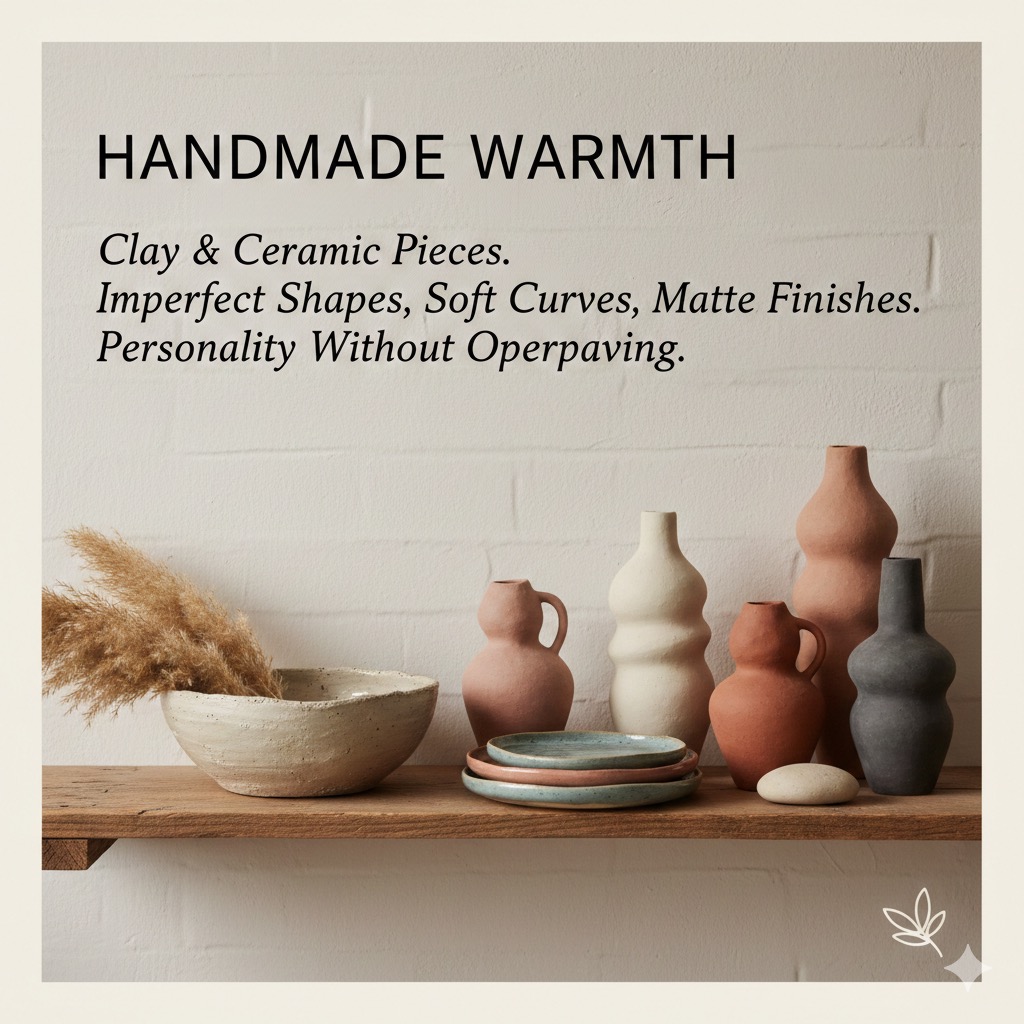
Clay and ceramic pieces add a handmade touch. Imperfect shapes, soft curves, and matte finishes are welcome.
Lighting That Creates a Calm Mood
Lighting in a modern organic interior should always feel soft and warm. Bright, harsh lighting can ruin the calm feeling of the space, no matter how well it is decorated. The goal is to create layers of light that make the room feel cozy and inviting at any time of day.
Warm light bulbs are essential. Cool or blue-toned lights should be avoided. Floor lamps, table lamps, and wall lights help spread light gently around the room instead of relying on one strong overhead light.
Lampshades made from linen, paper, or fabric soften the light and add texture. Light fixtures made from ceramic, wood, or metal with matte finishes fit well into the modern organic look.
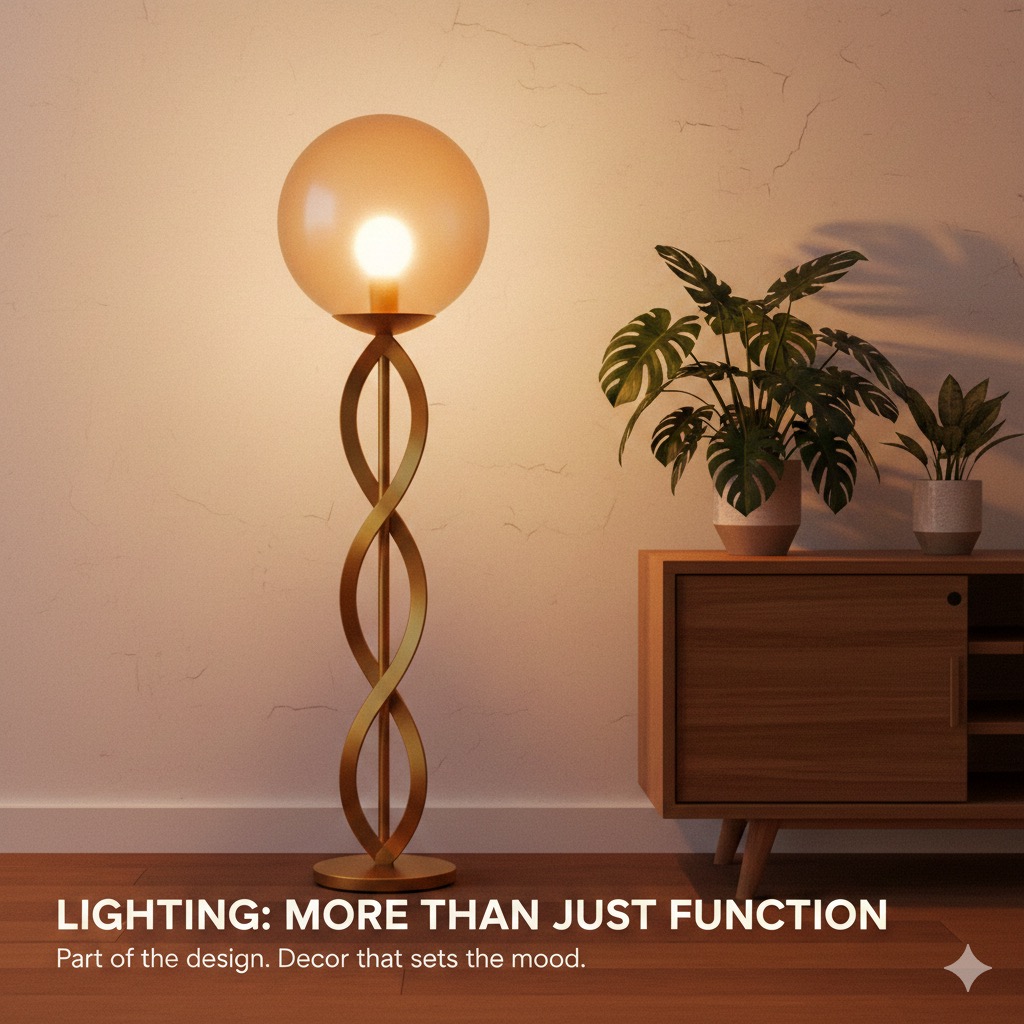
Lighting is not just functional in this style. It is part of the design. A beautiful lamp can act as decor while also setting the mood of the room.
Using Textiles to Add Warmth and Comfort
Textiles are what make a modern organic space feel cozy and lived in. They soften the clean lines of modern furniture and add layers that invite you to relax.
Curtains made from linen or cotton allow light to filter through gently. They add movement and softness to the room. Cushions and throws in neutral tones add comfort without adding clutter. Mixing textures, such as a chunky knit throw with smooth linen cushions, adds interest while keeping the color palette simple.
The key is to layer textiles slowly and thoughtfully. Too many patterns or colors can break the calm feeling. Instead, focus on texture, softness, and quality.

Decor, Styling, and the Power of Less
Decor in a modern organic interior is minimal but meaningful. Each piece is chosen with care and placed with intention. The space should never feel crowded or overly styled.
Decor items like ceramic vases, stone bowls, wooden trays, and simple artwork work well. These items add personality without distracting from the overall calm of the room. Books, especially large coffee table books, can also be used to add interest and height to surfaces.
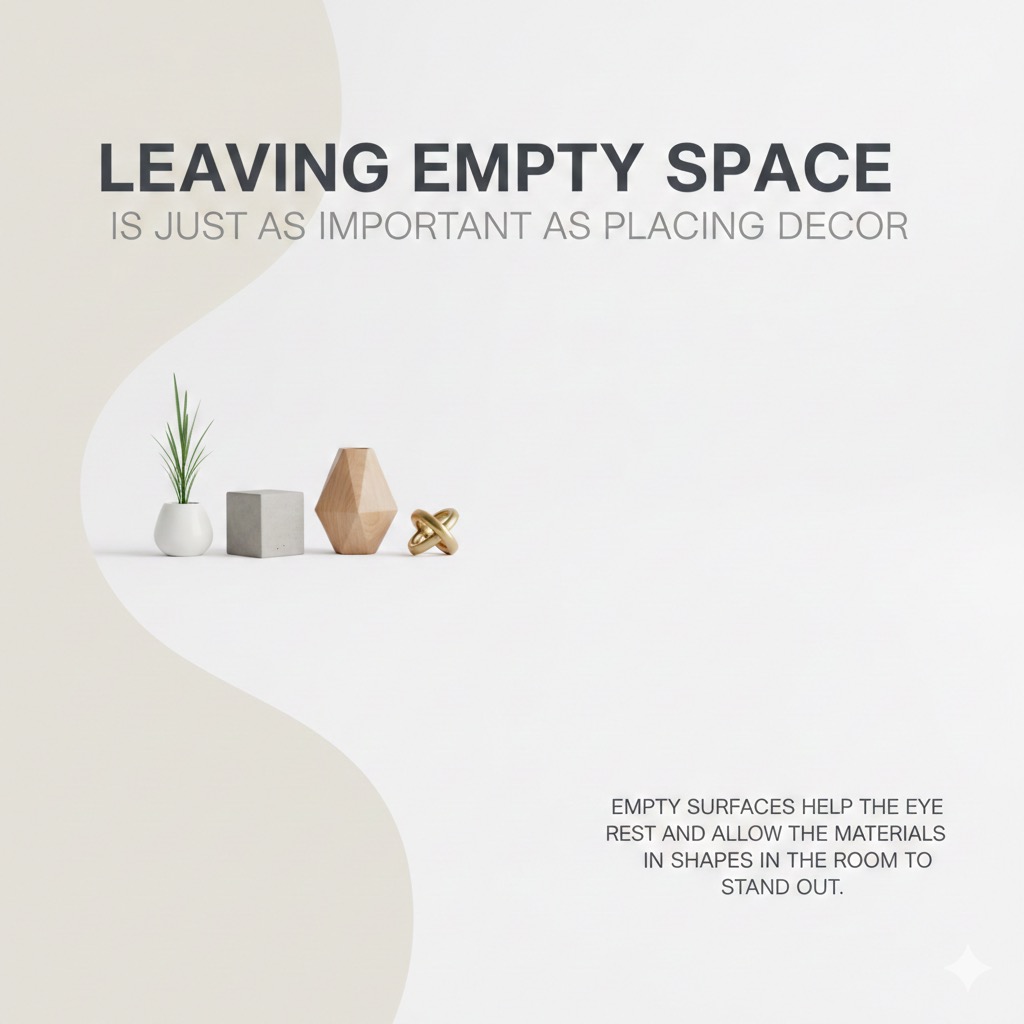
Leaving empty space is just as important as placing decor. Empty surfaces help the eye rest and allow the materials and shapes in the room to stand out.
Bringing Life Into the Space With Plants
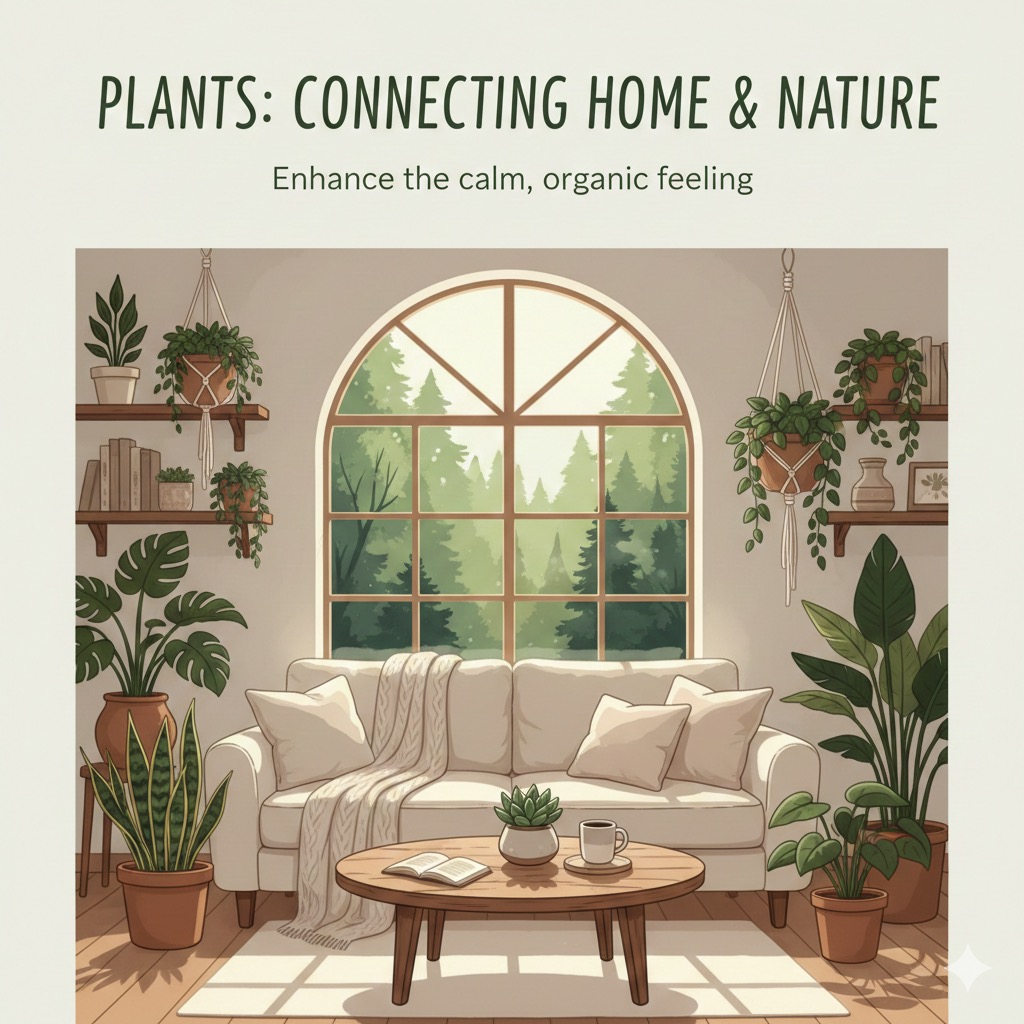
Plants are a natural fit for modern organic interiors. They add life, color, and movement to the space. Even one well-placed plant can change the feeling of a room.
Large plants like olive trees, fiddle leaf figs, or rubber plants make beautiful statement pieces. Smaller plants or dried branches can be used on shelves or tables. Planters should be simple and natural, made from clay, stone, or ceramic.
Plants help connect the home to nature and enhance the calm, organic feeling of the space.
Final Thoughts
Mastering the modern organic aesthetic is not about following strict rules. It is about creating a space that feels calm, warm, and balanced. By focusing on natural materials, soft colors, simple shapes, and intentional design choices, you can build a home that feels both modern and deeply comfortable.
This style is timeless because it is rooted in nature. It grows with you and adapts over time. When done right, a modern organic home feels like a place where you can truly relax, breathe, and feel at peace.