
A complete guide to building a cosy, character-filled English cottage living room from scratch, even if you are starting with a plain white box of a room.
There is something about the English cottage living room that feels like a warm hug you can sit in. It is the kind of room that has a story. The mismatched cushions that somehow all belong together. The stack of well-read books on the side table. The faded floral armchair that looks like it has been there since the Queen was young. If you have ever walked into one of these rooms and felt your shoulders drop with relief, you already understand the assignment.
The good news is that this look is not reserved for people who actually live in the English countryside or own a thatched roof cottage. You can bring this style into a city flat, a new build house, a semi-detached anywhere in the world, or a rented apartment. You do not need a fireplace that works or original beams on the ceiling, though those do help. What you really need is an understanding of the principles behind the style, a willingness to layer things slowly, and maybe a cup of tea while you read this.
This guide will walk you through every part of the English cottage living room, from the walls and floors to the furniture, textiles, accessories, and even the small finishing details that pull everything together. By the end, you will have a clear picture of what this style is, what it is not, and exactly how to get it right in your own home.
What the English Cottage Living Room Style Actually Means
Before you start shopping and rearranging furniture, it helps to understand what this style is actually built on. The English cottage look is not about buying a matching set of floral furniture and calling it done. It is a feeling. It is the idea of a room that has been lived in and loved over a long period of time, where things have been collected gradually rather than bought all at once from the same shop.
The style has its roots in the rural homes of the English countryside, where practicality and comfort were the main priorities. These were not grand homes trying to impress visitors. They were family spaces where children played on the rug, dogs slept by the fire, and people sat and talked without worrying about keeping everything perfect. Over time, that honest, comfortable approach to decorating became its own kind of beauty, and people have been trying to recreate it ever since.
What makes the style recognisable today is the combination of natural materials, soft colours, pattern mixing, and an overall warmth that newer, more minimal styles simply do not have. Think linen and wool rather than polyester. Think faded greens, dusty roses, and warm creams rather than stark white. Think a room that smells faintly of old books and something baking in the kitchen down the hall. If you get that right, you have the spirit of the whole thing. Everything else is just detail.
1) Choosing the Right Colours for Your Walls and Room
Colour is the first thing you will notice when you walk into a well-styled English cottage living room, and it is the first decision you need to make. The palette is soft, natural, and slightly faded, as if everything has been washed in a little gentle sunlight over many years. This is not the place for bright, saturated colours or cool grey tones that feel clinical.
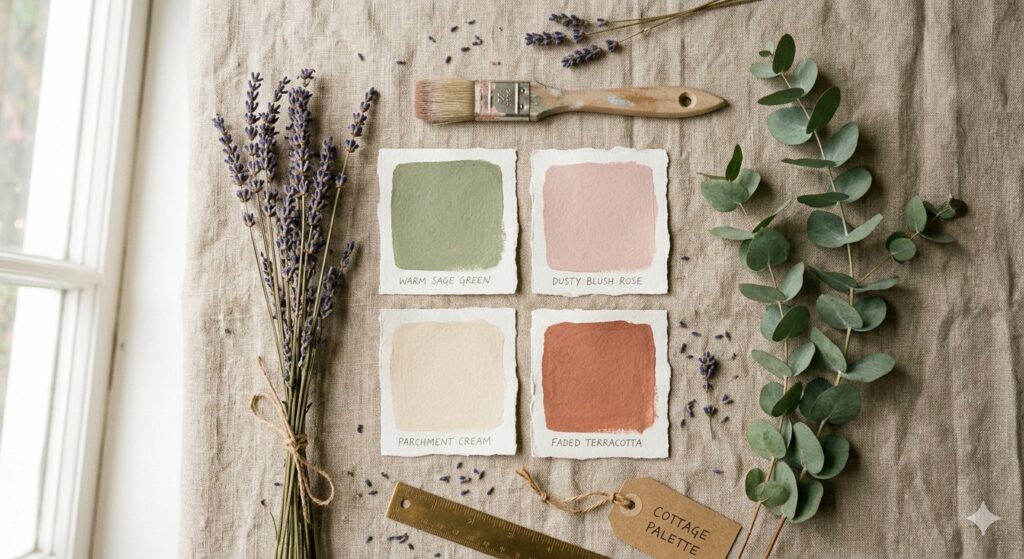
For walls, you are looking at colours in the warm cream, stone, sage green, dusty blue, or deep terracotta family. A warm off-white or parchment tone works beautifully as a base because it allows the textiles and accessories to shine without competing. Sage green on walls is possibly the most popular choice right now for very good reason. It reads as natural and calming, it works with almost every other colour in the palette, and it immediately makes a room feel like it has personality. People have been painting their walls sage green and then wondering why their room does not look like a country pub, which is usually because they forgot to add the dog and the fireplace.
If you want something a little more dramatic without losing the warmth, a deep, muted terracotta or a faded dusky blue on a single wall or within an alcove can add depth and interest. The key is to stay away from anything too bright, too cool, or too modern. You are looking for colours that feel like they belong to the earth, the garden, or a very good cup of tea. Keep ceilings warm white or the palest version of your wall colour.
One approach that works very well in this style is to paint the walls in a soft neutral and then use your textiles, rugs, and accessories to bring in the colour and pattern. This way you can adjust and evolve the room over time without having to repaint every time you fall in love with a new cushion print. And with the English cottage style, you will keep falling in love with new cushion prints. Consider yourself warned.
2) Floors, Rugs, and the Foundation of a Cosy Room
The floor in an English cottage living room needs to feel warm underfoot and honest in its material. Original flagstone tiles, worn oak floorboards, or aged parquet all fit beautifully within this style. If you have these in your home, preserve them and let them breathe. A little wear and character on a wooden floor is a feature, not a flaw. If you have carpet throughout, opt for something in a warm neutral tone, a plain biscuit, stone, or soft warm grey that sits quietly without drawing too much attention to itself.
Rugs are one of the most important elements in this style. They add warmth, anchor the seating arrangement, and bring in pattern and texture without requiring a full reupholstery project. For the English cottage look, consider Persian or oriental style rugs in faded red and gold tones, flat-weave wool rugs in earthy tones, floral needlepoint rugs, or hand-woven jute options. The rug does not need to be brand new. In fact, a slightly faded or well-used rug often looks more at home in this style than a stiff, bright new one fresh from the warehouse.
The size of your rug matters a great deal. In a living room, you generally want a rug large enough that at least the front legs of your sofa and chairs sit on it. A small rug floating in the middle of the room looks lost and out of proportion. When in doubt, go larger. A generously sized rug that anchors the whole seating area will make the room feel pulled together and intentional, which is exactly what you are going for.
3) Furniture
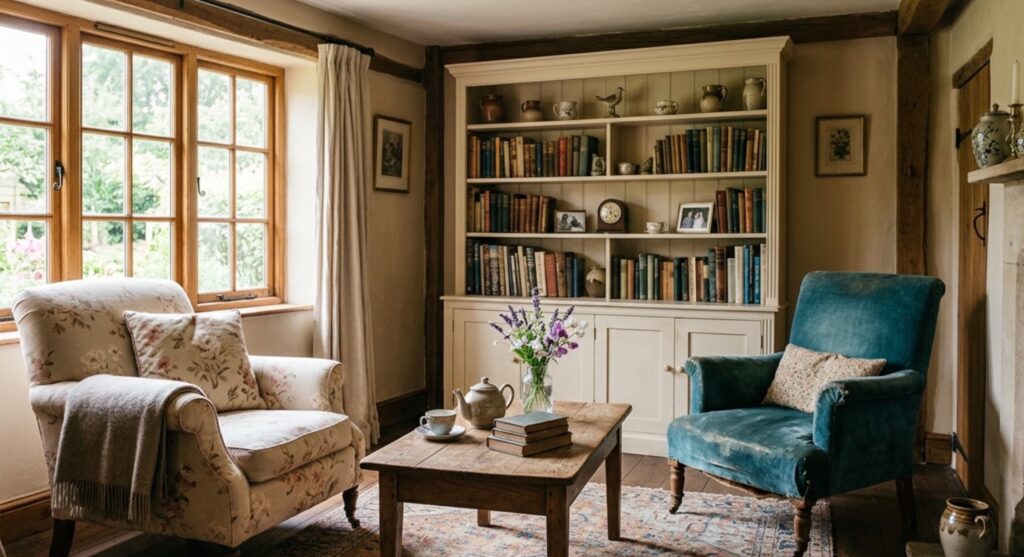
The furniture in an English cottage living room is never a matched set. That is rule number one and possibly the most important thing in this entire guide. The moment you buy three pieces from the same collection and arrange them together, you lose the charm and character that makes this style so appealing. Instead, you want to mix things deliberately. A tufted sofa in faded velvet next to a worn leather armchair. A painted wooden side table beside a more contemporary lamp. A linen covered loveseat across from a generous upholstered footstool that somebody’s grandmother once owned.
The sofa is usually the biggest investment piece in the room and the one that needs the most thought. For the English cottage style, look for sofas with a slightly loose, relaxed silhouette rather than a rigid, structured frame. Roll arms are classic. Deep seats are ideal. Upholstery in linen, cotton, or a soft wool blend in a neutral tone will give you the most versatility and the most authentically cottage feeling. If you are feeling bold, a floral or botanical print sofa can be absolutely stunning in this style, but choose carefully because it will become the centrepiece of the entire room and everything else will need to work around it.
Armchairs deserve special attention in a cottage living room because they are where all the actual living happens. A pair of mismatched armchairs near a window, each with its own side table and reading lamp, is the ideal arrangement. Wing back chairs work beautifully here. So do tub chairs, particularly in a floral, stripe, or plaid fabric. If budget is a concern, a second-hand chair reupholstered in a fabric you love will always look more interesting and more personal than a brand new one off the shelf.
For occasional tables, side tables, and storage pieces, look for furniture in wood tones that feel warm and aged. Painted furniture in cream, sage green, or a soft duck egg blue adds a layer of colour without overwhelming the room. A small bookcase, a painted display cabinet with glass doors, or a simple wooden coffee table with a lower shelf for stacking books and magazines all feel right at home here. The general principle is that every piece should look like it has a story, even if you only just found it.
4) Textiles
If colour is the soul of the English cottage living room, textiles are the body. This is the part of the process where a lot of people underestimate how much layering is involved and then wonder why their room does not feel quite right. The answer is almost always more cushions, more throws, heavier curtains, and a softer rug. The English cottage look requires you to be genuinely generous with soft furnishings in a way that more minimal styles never ask of you. More is more, up to a point, and that point is further away than you probably think.
Curtains in this style should be full and long, dropping from as close to the ceiling as possible down to the floor. This creates a sense of height and drama that a short curtain simply cannot achieve. Fabric choices include floral chintz, washed linen in a warm neutral, botanical print cotton, or even a vintage style tapestry fabric for something richer. Avoid anything that looks too sleek, too crisp, or too freshly pressed. Linen curtains that have a slight natural drape and texture are particularly well suited because they look beautiful, age gracefully, and let in a warm, diffused light that flatters the whole room.
Cushions are where you get to have real fun with this style. Mix florals with stripes, checks with plains, large prints with small. The key to making it work is to keep a consistent colour palette running through all your choices so that even the most varied mix of patterns feels cohesive. Think of it like making a playlist. Every song sounds different but they all belong together because of a shared mood. That is what you are doing with cushions, just with significantly less bass.
Throws draped over the arm of a sofa or the back of a chair add another layer of texture and warmth. Wool, cashmere, chunky knit, or a soft plaid tartan all work beautifully. Do not fold them too neatly. A casually placed throw that looks like someone just stood up from it is far more inviting than one arranged like a catalogue prop. The goal is a room that looks like it is ready for you to sit down in, not one that is waiting for a photoshoot.
Finishing Touches with Zazzle: Add Personality Without the Price Tag
One of the best ways to add personality to your English cottage living room without spending a fortune on antiques or custom upholstery is through carefully chosen accessories. Zazzle offers a range of products that fit very naturally into this style, allowing you to bring in printed patterns, botanical detail, and that warm cottage feeling in a very accessible way.
- Cushion covers are one of the easiest swaps you can make in any living room, and the Zazzle range of floral and botanical print designs is genuinely well suited to this aesthetic. A cushion cover in a watercolour rose print or a vintage botanical illustration on a linen-look base is exactly what this style calls for. Mix them with plain linen cushions or checked wool ones for a layered, collected look that feels natural rather than coordinated.
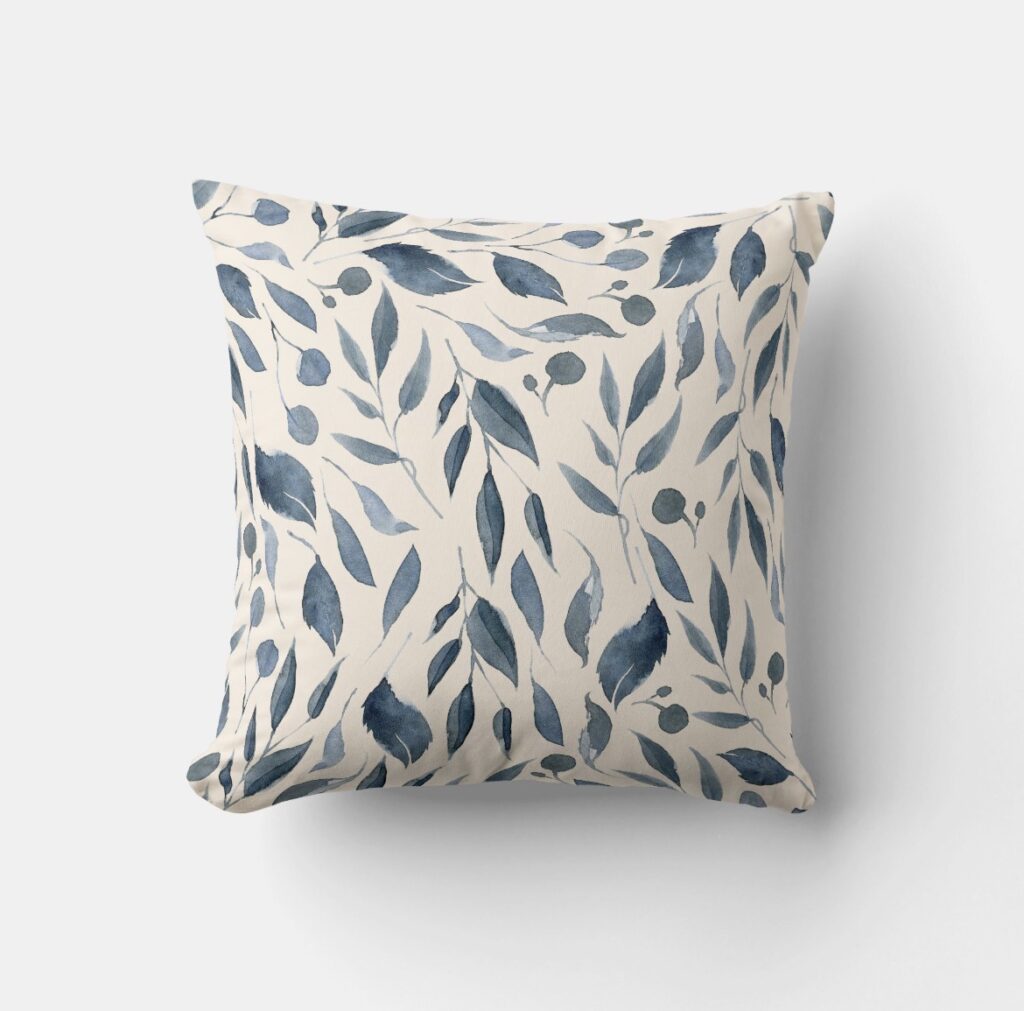
Shop Floral Botanical Cushion Covers on Zazzle — an easy and affordable way to bring the cottage garden feeling to your sofa.
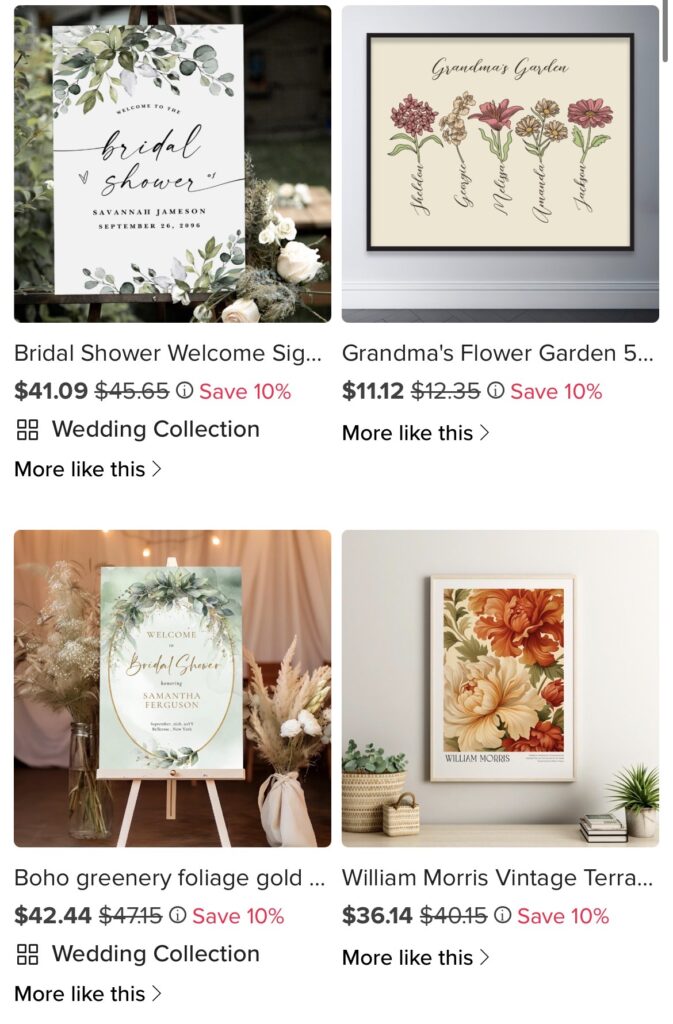
- Wall art in an English cottage living room should feel personal and gathered rather than bought as a set. Zazzle has an extensive range of botanical prints, vintage-style illustrations, and countryside-themed art prints that work beautifully grouped together in mismatched frames. Look for printed artworks featuring wildflowers, herbs, birds, or pastoral landscape scenes. A small gallery wall of these, in frames you have collected over time rather than bought as a set, is a very effective and very cottage thing to do.
Browse Vintage Botanical Art Prints on Zazzle — frame a few of these together for an instant cottage gallery wall.
- A set of printed tea towels in a floral or check pattern, displayed on a hook near the fireplace or folded over the arm of a chair, adds a homely touch that feels genuinely English. Zazzle offers printed tea towels in a range of patterns that suit the cottage aesthetic well, and they are the kind of small detail that makes a room feel inhabited and loved rather than styled and untouched.
Shop Floral and Check Tea Towels on Zazzle — hang one near the mantelpiece for a lovely and very English finishing detail.
5) Books, Plants, and the Art of Thoughtful Clutter
The English cottage living room is not a minimalist space. That does not mean it should be messy or overwhelming, but it does mean that the idea of keeping every surface clear and every shelf empty is not part of this look. Here, clutter is not a problem to solve. When done with intention, it is a design feature. The difference between a beautifully layered cottage room and a simply chaotic one is curation and care.
Books are one of the most important decorating tools in this style. They go on shelves, stacked on coffee tables, beside lamps on side tables, and even on windowsills. Do not hide them in cupboards. Display them. Let the spines add colour and texture to the room. Mix old and new. Stack some horizontally and stand others upright. Tuck small objects in among the books to break up the lines and add visual interest. A candle, a small vase, a framed photograph. These little interruptions in the bookshelves are what give the room its soul.
Plants and flowers belong in every version of this room. Wildflowers in a simple jug or jam jar on the coffee table. Potted geraniums on the windowsill. A trailing ivy or a small rosemary plant on a shelf. Fresh cut flowers from the market in a ceramic pitcher. Dried flower bunches tied with ribbon and hung from a hook. The more natural and relaxed the arrangement, the better it fits. This is not the look for perfectly symmetrical bouquets in matching vases. It is the look for flowers that seem to have been gathered on a walk and brought inside because they were too beautiful to leave.
Ceramics, pottery, and small decorative objects add the final layer of personality to your surfaces and shelves. Look for handmade pottery in muted earthy tones, old copper or brass candlesticks, small framed watercolours, vintage glass bottles, and baskets of different sizes. None of these need to be expensive or particularly rare. What matters is that they feel warm, natural, and human. A collection of objects gathered over time, each with its own small history, is always going to feel more alive than a set of matching decorative items bought in a single shop trip.
6) Lighting: The Detail That Changes Everything
Lighting in an English cottage living room should never be harsh or clinical. If your room currently relies entirely on a single overhead ceiling light, that is the first thing to change. The cottage style depends on layered, warm, soft lighting that creates pools of gentle light around the room rather than flooding everything from above with the energy of an operating theatre.
Table lamps are your best tool here. A lamp on each side table, one on a console, one on a bookcase shelf. Look for lamp bases in ceramic, turned wood, aged brass, or textured metal. Shades in cream linen, pleated fabric, or even a simple floral print all work beautifully. Keep your bulbs warm in tone. Cool white or daylight bulbs will undo every warm and cosy thing you have done with your colours and textiles, so this is not the place to cut corners.
Floor lamps are wonderful in corners or beside reading chairs where a table lamp would be impractical. An arc floor lamp in aged brass or matte black with a pleated or fabric shade feels right at home in this style. Candles on the mantelpiece, on side tables, or grouped on a tray on the coffee table add a layer of warmth and atmosphere that electric light simply cannot replicate. They also smell wonderful, which is an underrated part of the cottage living room experience that nobody really talks about enough.
If you have a fireplace, working or decorative, treat it as the centrepiece it deserves to be. A working fireplace transforms the energy of a room in the cooler months in a way nothing else can match. A decorative one can be filled with candles of varying heights, a carefully arranged stack of logs, dried flowers in the grate, or a large textured mirror leaned against the back of the chimney breast to reflect light back into the room. Either way, it draws the eye and anchors the whole space.
Common Mistakes to Avoid When Styling This Look
One of the most common mistakes people make when attempting this style is buying everything at once from the same place. The English cottage aesthetic is built on the idea of accumulated and varied pieces, not a coordinated room set from a single retailer. When everything comes from the same source and the same range, the room loses the natural variation and character that makes the style so appealing. Take your time. Build the room gradually. Buy one piece you love and let it sit for a while before adding the next.
Another frequent mistake is going too dark too quickly. While deep colours absolutely have a place in this style, it is easy to layer too many dark textiles and heavy accessories and end up with a room that feels gloomy rather than cosy. If your room has limited natural light, keep the walls lighter and bring the depth in through rugs, cushions, and curtains instead. You can always add more depth over time but removing it requires a full repaint, which is never the fun kind of Sunday activity.
People also sometimes confuse the cottage style with a purely rural or themed look and end up with something that feels costumed rather than personal. The goal is not a staged recreation of a specific type of English home. It is a warm, comfortable, character-filled living room that happens to draw on the principles of that style. It should feel like it belongs to you, not like a prop from a countryside television drama. Keep it personal, keep it layered, and it will always feel right.
How to Bring It All Together: A Simple Starting Point
If you are staring at your living room right now and feeling unsure where to begin, here is the simplest possible starting point. Choose one wall colour from the cottage palette. A warm off-white, a muted sage, or a soft stone. Paint the room. Then add one rug that you genuinely love, something with warmth and character, even if it is on the smaller side. Then find one armchair at a market, a second-hand shop, or a furniture resale platform, something with good bones that already has a lovely worn look or that you can have reupholstered.
From there, layer in cushions and throws. Start with two or three in complementary patterns from your chosen colour palette. Add a lamp. Add some books. Add a plant or a small jug of flowers. Put something on the wall, a botanical print from Zazzle, a framed piece of fabric, a small mirror in a gilded frame. Step back and look. The room will already have more warmth and personality than most rooms decorated to a much higher budget but with far less intention behind them.
The English cottage living room is a style that rewards patience and genuine curiosity. It gets better over time as you add pieces that mean something to you, as the textiles soften with washing, and as the room settles into its own quiet personality. There is no finished version of this look. It just keeps growing, which is entirely the point. And when you think about it, that is quite a lovely way to approach decorating your home.
Affiliate disclaimer: this blog post contains some affiliate links, if you buy using these links, I get a commission, at no added cost to you